Eco-Friendly Roofing Felt with a Focus on Sustainable Recycling

Eco-Friendly Roofing Felt with a Focus on Sustainable Recycling
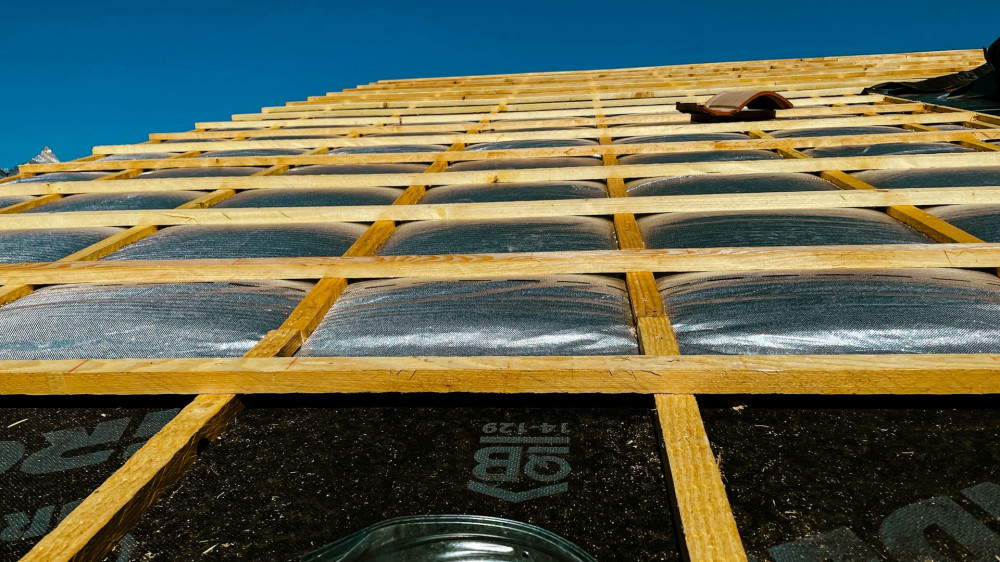
Roofing felt has long been a trusted material for flat and low-slope roofs across the United States, valued for its durability, flexibility, and weather resistance. But as sustainability becomes a central concern in the construction industry, attention is turning toward how roofing felt can be produced, used, and recycled in more environmentally responsible ways. Today, innovative solutions are emerging that combine traditional performance with modern green technology.
From Petroleum-Based Product to Circular Resource
Traditionally, roofing felt has been made with bitumen—a petroleum-derived material that provides waterproofing. The challenge is that bitumen does not naturally decompose and can pose environmental issues when old roofing materials are discarded. However, the industry is evolving: manufacturers are now experimenting with replacing portions of bitumen with recycled materials and bio-based binders.
At the same time, recycling programs for old roofing felt are gaining traction. Instead of ending up in landfills, used material can be cleaned, shredded, and reused as raw input for new products—such as asphalt pavement or new roofing membranes. This approach reduces both the demand for virgin resources and the volume of construction waste.
Certified Production and a Lower Carbon Footprint
A key part of the roofing industry’s green transition involves cleaner production methods. Many U.S. manufacturers are pursuing environmental certifications such as ISO 14001 or Cradle to Cradle, which demonstrate responsible resource management and waste reduction. Production facilities are also working to lower energy consumption and incorporate renewable energy sources.
Some modern roofing felts now contain up to 30–40% recycled content without compromising quality or performance. For builders and homeowners, this means it’s possible to choose a roofing solution that is both durable and significantly less carbon-intensive than older alternatives.
Læs også:
Green Roofs – When Roofing Felt Becomes Part of Nature
One of the most visible examples of eco-friendly roofing is the green roof. In these systems, roofing felt serves as the waterproof membrane beneath a layer of vegetation. The combination offers both aesthetic and environmental benefits: plants absorb rainwater, improve insulation, and support urban biodiversity.
Green roofs are increasingly popular in U.S. cities, where they help reduce heat island effects and manage stormwater runoff. Roofing felt remains a preferred base layer because of its flexibility and adaptability to different roof shapes, making it possible to merge modern architecture with natural ecosystems.
Recycling in Practice – How It Works
When a roof covered with roofing felt reaches the end of its life, the material can now enter a circular recycling process. The old felt is removed, cleaned, and processed into smaller pieces. These can then be used as additives in new roofing products or in asphalt for road construction. This process saves both energy and raw materials compared to producing new bitumen from petroleum.
Several recycling initiatives in the U.S. are partnering with roofing contractors and waste management companies to ensure proper collection and sorting of roofing waste. While it requires coordination, the environmental and economic benefits are substantial.
What Homeowners Can Do
If you’re planning to install or replace a roof, you can make choices that support sustainability. Ask your contractor or supplier whether the roofing felt is made with recycled or bio-based materials and whether it carries environmental certifications. You can also check if there’s a take-back or recycling program for old roofing materials to prevent them from ending up in landfills.
Consider whether a green roof might be an option for your home. While it requires additional planning, it can provide energy savings, extend roof life, and enhance your property’s appearance—all while contributing to a healthier environment.
A Step Toward a Greener Construction Industry
The development of eco-friendly roofing felt demonstrates how even traditional building materials can be reimagined for a sustainable future. By combining recycling, certified production, and innovative solutions like green roofs, the roofing industry is moving toward a more circular economy.
For both professionals and homeowners, this means that today’s roofing felt can do more than protect a building from the elements—it can also help protect the planet. The roofs of the future won’t just be strong and weatherproof; they’ll be green in every sense of the word.
Læs også: