Choose a Roof Type That Makes It Easier to Do Minor Repairs Yourself

Choose a Roof Type That Makes It Easier to Do Minor Repairs Yourself
When choosing a roof for your home, it’s not just about looks or cost. It’s also about how easy it will be to maintain and repair over time. Some roofing materials require professional help even for small issues, while others allow a handy homeowner to handle minor repairs on their own. Here’s an overview of roof types that are more DIY-friendly—and what to keep in mind before you climb the ladder.
Why Think About Repairs When Choosing a Roof?
No roof lasts forever without maintenance. Sun, wind, rain, and temperature changes all take their toll, and sooner or later, small repairs will be needed. If you choose a roof type that’s easy to work with, you can save both time and money on contractors—and keep your roof in good shape for years to come.
It’s worth considering:
- How heavy and manageable the material is.
- Whether individual sections can be replaced without disturbing the rest of the roof.
- Whether repairs require special tools or safety equipment.
Roof Types That Are DIY-Friendly
1. Asphalt Shingles – Affordable and Easy to Replace
Asphalt shingles are the most common roofing material in the U.S., and one reason is how simple they are to repair. If a few shingles blow off or crack, you can usually replace them yourself with a pry bar, roofing nails, and a bit of roofing cement.
The advantage is that you can fix small areas without redoing the entire roof. Just make sure to match the color and style of your existing shingles for a consistent look.
2. Metal Roofing – Lightweight and Low Maintenance
Modern metal roofs, especially those made from steel or aluminum panels, are durable and relatively easy to maintain. If a panel becomes loose or damaged, you can often replace it by unscrewing the fasteners and installing a new one.
Be sure to use the correct screws and washers to prevent leaks, and touch up any scratches with paint to avoid rust. Metal roofs are also lightweight, which makes them easier to handle than heavy tile or slate.
3. Rolled Roofing – Great for Sheds and Low-Slope Roofs
Rolled roofing, often made from asphalt-based materials, is a practical choice for garages, sheds, and low-slope roofs. Small tears or cracks can be patched with roofing cement or a repair kit from your local hardware store.
For larger repairs that require heat sealing, it’s best to call a professional, but for minor patching, most homeowners can handle the job safely with basic tools.
4. Corrugated Plastic or Fiberglass Panels – Simple to Replace
Corrugated panels are popular for patios, carports, and outbuildings. They’re lightweight, easy to cut, and simple to replace if one gets cracked or damaged. You just remove the screws, lift off the old panel, and install a new one.
Always wear gloves and safety glasses when handling these materials, as the edges can be sharp.
Læs også:
Roof Types That Usually Require a Professional
Some roofing materials are beautiful and long-lasting but not ideal for DIY repairs. These include:
- Slate, which is heavy and requires specialized tools and experience.
- Clay or concrete tiles, which can crack easily if stepped on.
- Wood shakes, which need careful installation to stay watertight.
- Copper or zinc roofing, which involves soldering and precision work.
If you choose one of these, plan for professional maintenance as part of your long-term budget.
Safety First—Even for Small Repairs
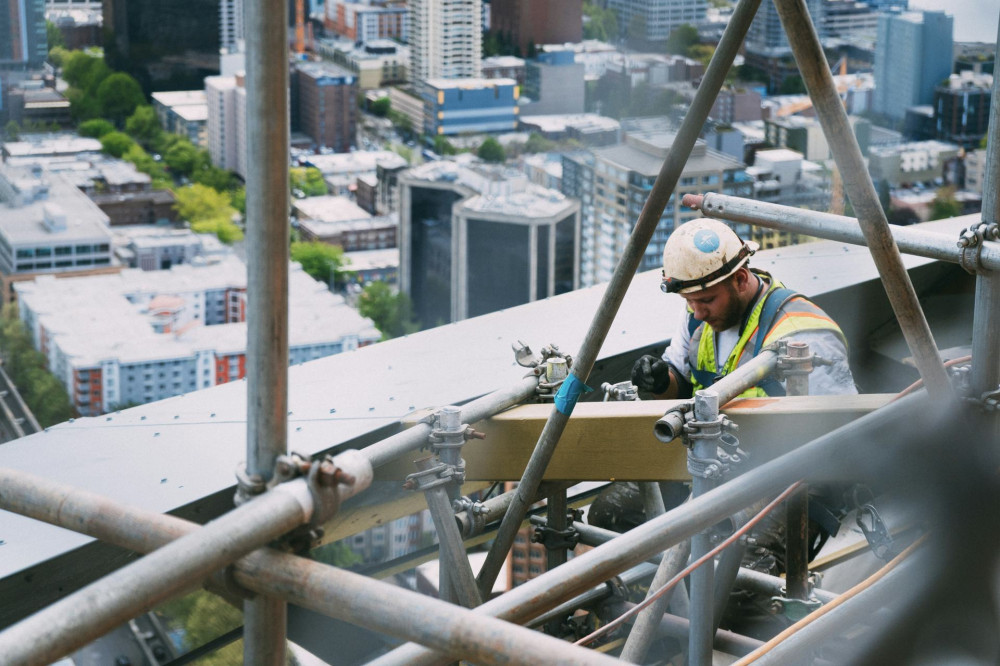
Even if your roof is easy to work on, safety should always come first. Use a sturdy ladder, wear non-slip shoes, and never work on a wet or icy roof. Consider using a safety harness if the roof has a steep pitch.
Also, remember that small mistakes can lead to leaks and water damage. If you’re unsure about a repair, it’s worth having a roofing contractor inspect your work.
Choose a Roof That Works for You
A roof is a major investment meant to last for decades. By choosing a material that’s easy to maintain and repair, you make it simpler to care for your home and extend the life of your roof.
It’s not just about appearance—it’s about practicality. A roof you can maintain yourself offers peace of mind, saves money, and keeps your home protected for years to come.
Læs også: