Ventilation Against Dust and Allergens – How It Works

Ventilation Against Dust and Allergens – How It Works
A healthy indoor environment is about more than just temperature and humidity – it’s also about the quality of the air you breathe. Dust, pollen, and other allergens can quickly build up inside homes, especially in modern, tightly sealed buildings where natural airflow is limited. That’s where ventilation comes in. But how exactly does ventilation help protect you from dust and allergens, and what can you do to make the most of your system?
Why Ventilation Matters for Indoor Air Quality
Everyday activities like cooking, cleaning, and even breathing release moisture, carbon dioxide, and tiny particles into the air. Without proper ventilation, these substances accumulate, making the air feel heavy and potentially triggering allergies or respiratory issues. Dust and allergens from fabrics, pets, and outdoor air can also settle on surfaces and circulate through your home.
Ventilation systems remove stale air and bring in fresh, filtered air. This constant exchange helps reduce airborne particles and allergens, improving comfort and lowering the risk of headaches, fatigue, and allergic reactions.
How Mechanical Ventilation Works
A modern mechanical ventilation system continuously replaces indoor air with fresh outdoor air. It typically operates through two airflows:
- Supply air – filtered outdoor air is brought into living spaces such as bedrooms and living rooms.
- Exhaust air – humid and polluted air is removed from areas like kitchens, bathrooms, and laundry rooms.
Between these two airflows sits a heat exchanger, which transfers warmth from the outgoing air to the incoming air. This process helps maintain energy efficiency, so you can enjoy fresh air year-round without losing heat in winter or cool air in summer.
The Role of Filters – The Key to Clean Air
Filters are the heart of any ventilation system when it comes to controlling dust and allergens. Most systems use two main types:
- Pre-filters – capture larger particles such as dust and insects.
- Fine or HEPA filters – trap microscopic particles like pollen, mold spores, and fine dust.
For people with allergies, a high-efficiency filter can make a noticeable difference, especially during spring and summer when pollen counts are high. To keep your system effective, replace filters regularly – usually every six months, or more often if you live in a dusty or high-pollen area.
Natural Ventilation Still Matters
Even with a mechanical system, it’s beneficial to open your windows occasionally. Briefly airing out your home a few times a day helps remove moisture and odors quickly. This is especially useful when cooking, cleaning, or doing activities that release a lot of particles. Just be mindful of outdoor air quality – on high-pollen or high-smog days, it may be better to rely on your system’s filtered air instead.
Maintenance and Cleaning
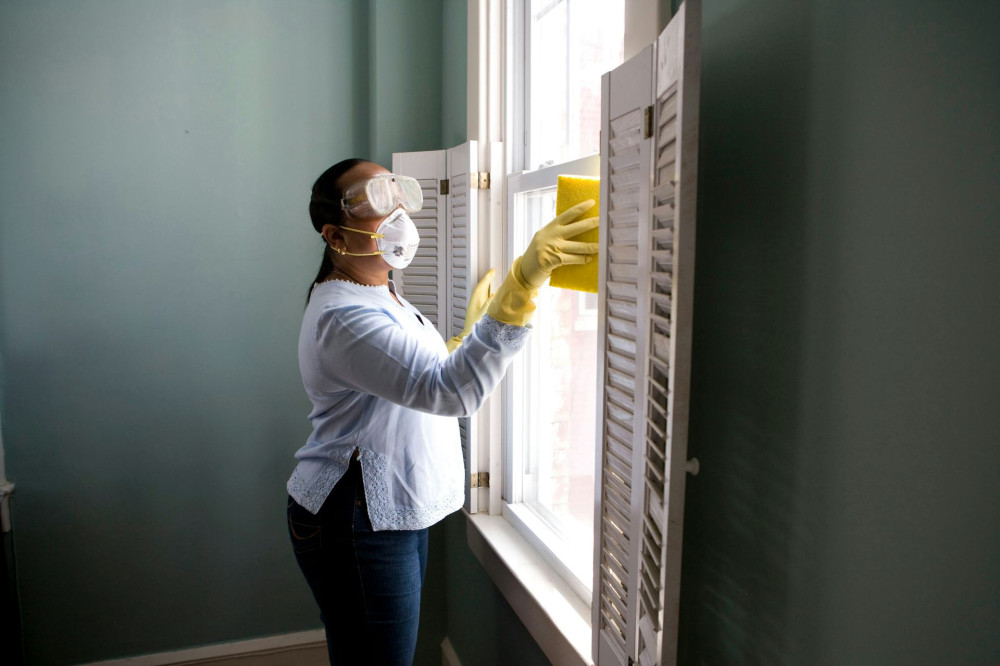
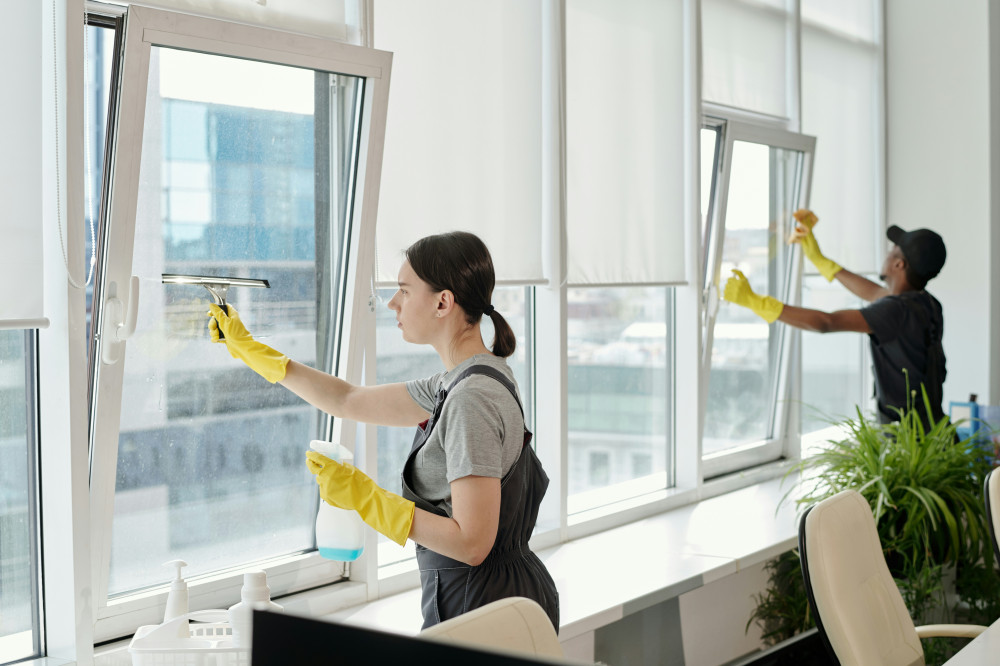
A ventilation system requires only minimal but consistent maintenance to perform well. In addition to changing filters, you should:
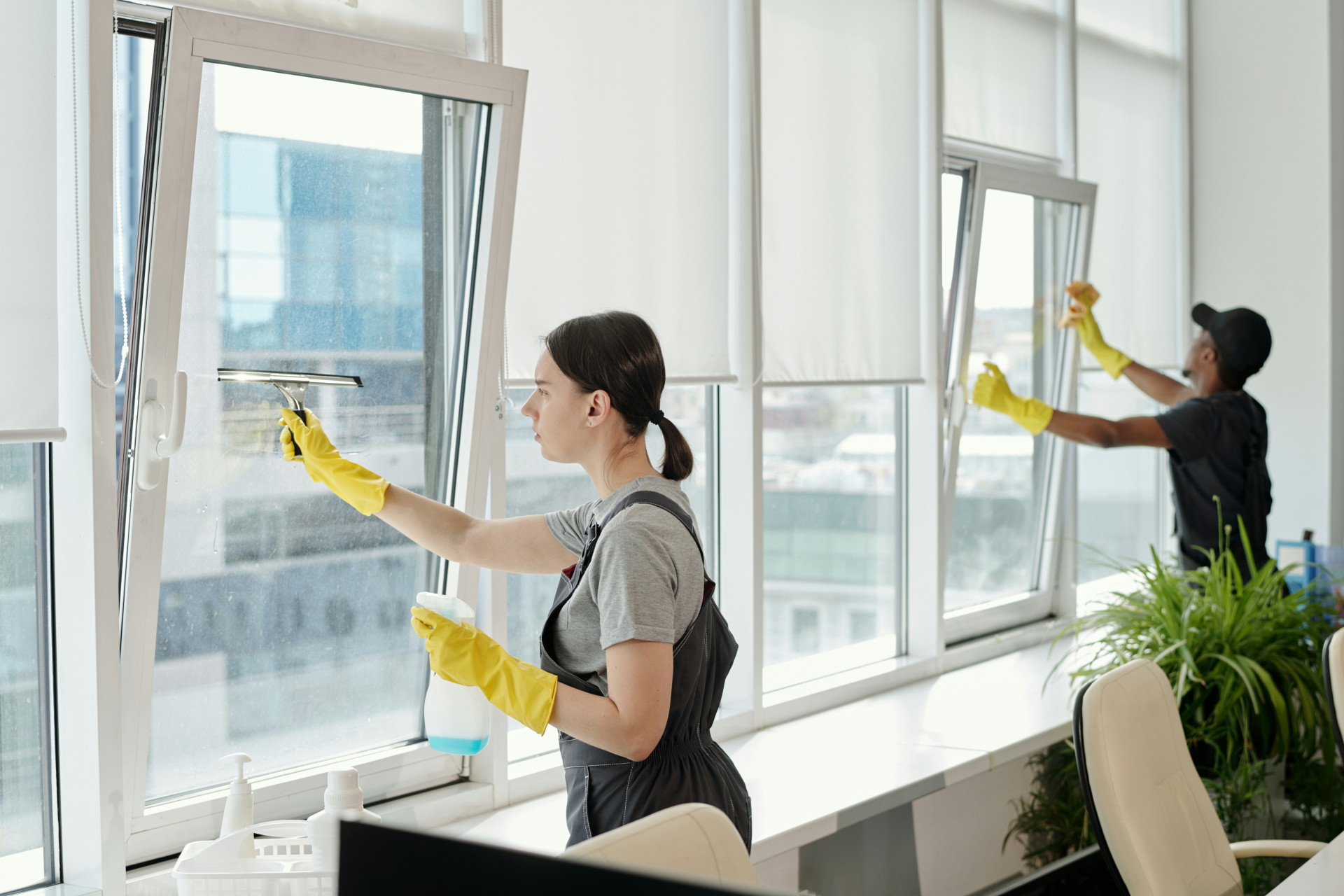
- Vacuum or wipe down air vents a few times a year.
- Check that air intakes and exhausts are free from leaves, dust, or debris.
- Have the system inspected by a professional every two to three years.
Keeping your system clean ensures better air quality and energy efficiency.
Læs også:

Ventilation in Older Homes
Older houses without built-in mechanical ventilation can still benefit from improved airflow. Decentralized ventilation units can be installed in individual rooms and don’t require major renovations. Alternatively, you can enhance air quality through frequent airing, using range hoods while cooking, and regular cleaning to reduce dust buildup.
A Healthier Home, Every Day
A well-functioning ventilation system is an investment in both comfort and health. It reduces dust and allergens, prevents moisture problems, and keeps your indoor air fresh and balanced throughout the year. With proper maintenance and the right filters, you can create a home where the air feels light – and where you and your lungs can breathe easier every day.
Læs også: