Safe Cleaning of the Basement Utility Room


Safe Cleaning of the Basement Utility Room
The basement utility room is often out of sight and out of mind—until something goes wrong. This space houses some of your home’s most important systems: the furnace, water heater, electrical panel, sump pump, and possibly HVAC equipment. Keeping it clean and organized isn’t just about appearances; it’s about safety and performance. Dust, moisture, and clutter can increase the risk of fire, corrosion, and equipment failure. Here’s a guide to cleaning and maintaining your basement utility room safely and effectively.
Understand the Room’s Purpose—and Why Cleaning Matters
The utility room is the heart of your home’s mechanical systems. It’s where heat, water, and electricity are distributed throughout the house. When dust and debris build up around these systems, they can affect both efficiency and safety. Dust can attract moisture and lead to rust, while cobwebs and dirt near electrical panels can pose a fire hazard.
Regular cleaning reduces the risk of malfunctions and helps you spot small issues before they turn into costly repairs.
Preparation: Safety First
Before you start cleaning, think safety. The utility room contains equipment that can be dangerous if handled carelessly.
- Turn off the power if you’ll be cleaning near the electrical panel or outlets.
- Shut down heating equipment if you’ll be wiping around the furnace or hot pipes.
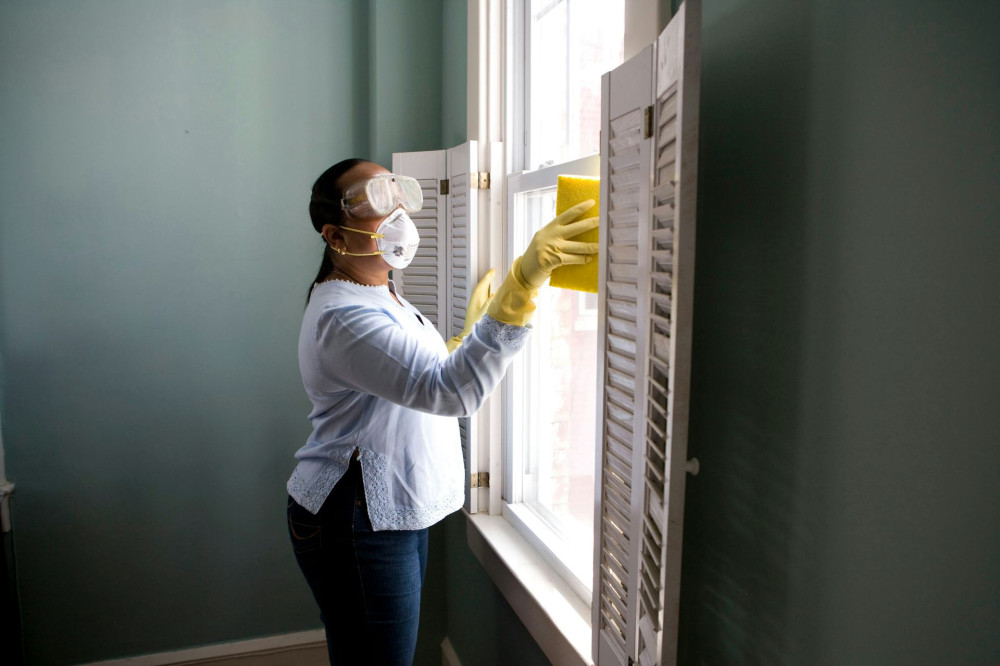
- Wear gloves and a dust mask, especially if there’s heavy dust or signs of mold.
- Avoid using water directly on equipment—use a slightly damp cloth instead.
- Ensure good lighting with a flashlight or headlamp so you can see behind and under equipment.
If you’re unsure about any system, consult the manufacturer’s manual or a licensed technician before proceeding.
Step-by-Step: How to Clean Safely
-
Clear the clutter Start by removing unnecessary items. Paint cans, old cleaning products, and tools don’t belong in the utility room. Keep the area around equipment clear so you always have easy access for maintenance or emergencies.
-
Vacuum thoroughly Use a vacuum with a HEPA filter to capture fine dust and allergens. Vacuum the floor, pipes, vents, and around equipment. Avoid vacuuming directly on sensitive components like circuit breakers or control panels.
-
Wipe down surfaces Use a microfiber cloth slightly dampened with water or a mild cleaner. Avoid harsh chemicals, solvents, or ammonia-based products—they can damage metal and plastic parts.
-
Check for moisture and mold Look for dark spots, musty odors, or condensation. If you find moisture problems, identify the source—it could be a leaking pipe, poor ventilation, or groundwater seepage. Addressing moisture early prevents mold growth and structural damage.
-
Finish with ventilation Once cleaning is done, air out the room. Open basement windows or run a fan to help reduce humidity. Good airflow helps prevent corrosion and keeps the space fresh.
Maintenance and Prevention
You don’t need to clean the utility room every week, but a regular schedule makes a big difference. Plan to inspect and clean it a few times a year—perhaps when you schedule furnace or HVAC maintenance.
- Keep the area dry—use a dehumidifier if your basement tends to be damp.
- Maintain clear access—technicians should be able to reach all equipment easily.
- Check filters and drains—especially for HVAC systems, sump pumps, and water heaters.
- Take notes—record any changes such as discoloration, drips, or unusual smells.
Læs også:




When to Call a Professional
While routine cleaning is safe to do yourself, some situations require expert help. Contact a licensed professional if you notice:
- Mold growth on walls, pipes, or insulation
- Leaking or corroded equipment
- Rust or damage on electrical components
- Strange noises or odors from mechanical systems
Professional inspection can prevent hazards and save you money in the long run.
A Clean Utility Room Is a Safe Utility Room
A clean, well-organized utility room makes it easier to monitor your home’s vital systems and extends their lifespan. It also reduces the risk of fire, water damage, and unexpected breakdowns. With a simple routine and attention to safety, you can keep your basement utility room in top condition—and enjoy peace of mind knowing your home’s “engine room” is running smoothly.
Læs også: