The Office Chairs of the Future – When Technology Transforms Design

The Office Chairs of the Future – When Technology Transforms Design
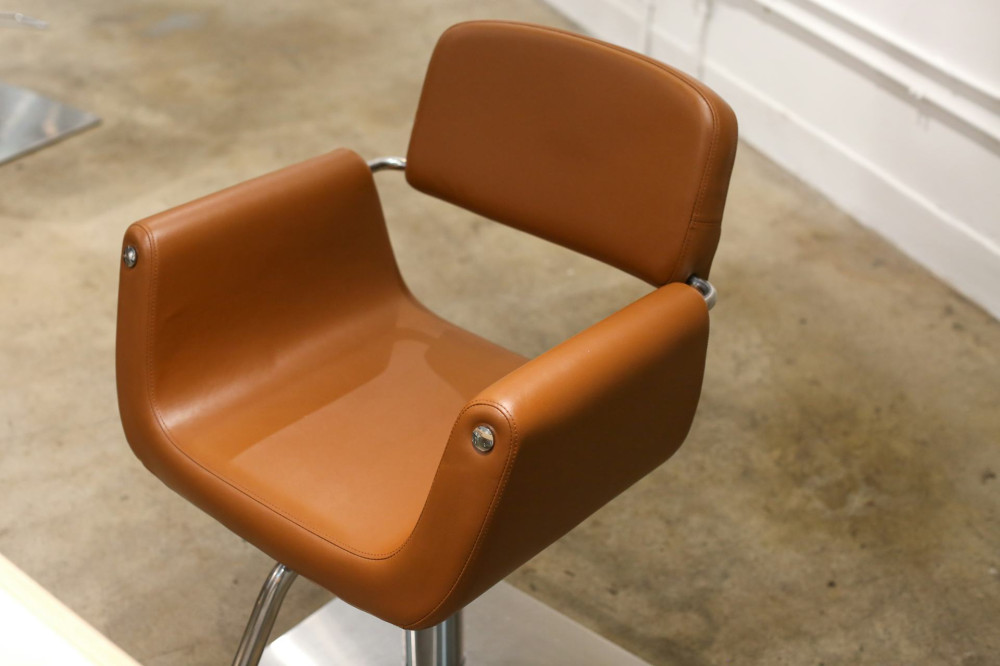
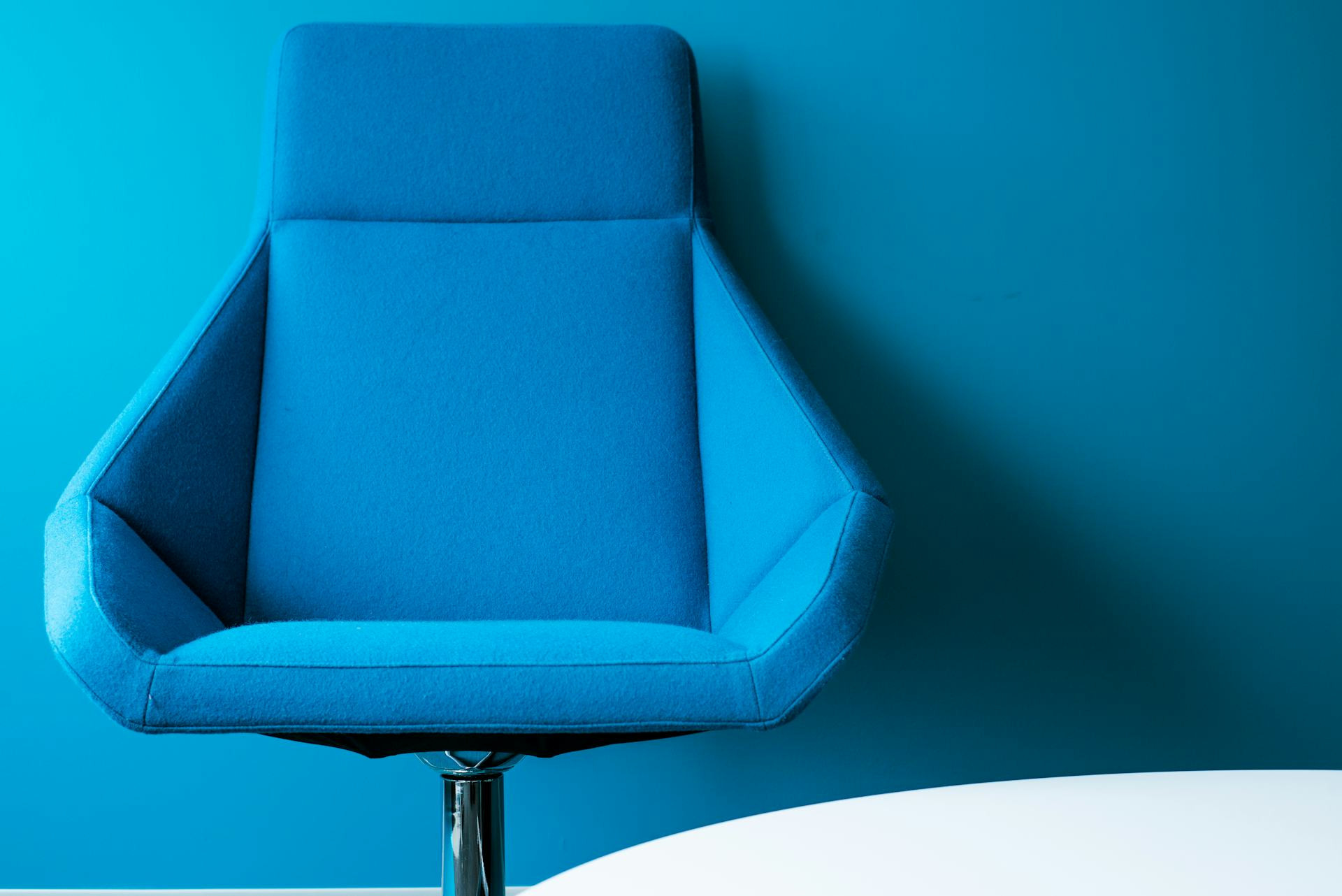
For decades, the office chair has symbolized comfort and productivity — from the classic swivel chair in corporate offices to the sleek ergonomic models in home workspaces. But as technology and design increasingly merge, we are entering a new era where the chair is no longer just a piece of furniture. It’s becoming an intelligent tool that adapts to its user. The office chairs of the future are not only about aesthetics and ergonomics, but also about data, movement, and sustainability.
From Mechanics to Intelligence
The first office chairs were designed to provide freedom of movement at work. That principle remains, but now it’s supported by sensors and software. Modern chairs can detect how you sit and automatically adjust height, backrest, and lumbar support to minimize strain. Some even remind you to stand up or stretch after long periods of inactivity, helping to improve circulation and posture.
This evolution is powered by the same technology found in fitness trackers and smartphones. The chair becomes an active part of your workspace — a kind of digital coach that helps you sit better, move more, and stay healthier throughout the day.
Læs også:
Design That Responds to You
Technology doesn’t mean design loses its human touch. On the contrary, the next generation of office chairs combines advanced functionality with a more organic aesthetic. Materials like flexible bioplastics, recycled aluminum, and smart textiles with embedded sensors make it possible to create chairs that look light and respond intuitively to the body.
Designers are exploring the concept of “adaptive design” — chairs that change shape depending on who uses them. The backrest might automatically adjust its angle, or the seat cushion might adapt to the user’s weight. The result is furniture that feels personal, even in shared office environments.
Sustainability as a Core Principle
Technology and sustainability go hand in hand in the development of future furniture. Manufacturers are increasingly focusing on modular chairs, where individual parts can be replaced instead of discarding the entire chair. Sensors can monitor wear and tear and alert users when a component needs replacement — a digital maintenance plan that extends the chair’s lifespan.
At the same time, production is becoming more circular. Materials are designed to be disassembled and recycled, and many companies are experimenting with bio-based alternatives to foam and plastic. Digital tracking systems make it possible to trace the origin of materials and document their environmental impact — transparency that both consumers and businesses are demanding.
The Workplace as a Living Lab
The office is the natural testing ground for these innovations. It’s where comfort, efficiency, and health intersect. Many U.S. companies are already investing in smart chairs as part of their workplace wellness strategies. Data collected from these chairs — used anonymously — can help analyze movement patterns and optimize office layouts, such as placing collaboration zones where people naturally move the most.
But this technology also raises questions about privacy and boundaries. How much should a chair really know about its user? Most manufacturers are addressing this by processing data locally and anonymously, ensuring that functionality doesn’t come at the expense of personal privacy.
Smart Comfort at Home
The evolution doesn’t stop at the office. At home, the intelligent chair becomes part of the connected ecosystem. Imagine a lounge chair that automatically adjusts lighting when you sit down, or syncs with your calendar to remind you to take breaks. For many, it’s not about technology for its own sake, but about creating a more intuitive and comfortable daily experience.
Designers talk about “invisible technology” — features so seamlessly integrated that they simply feel like natural comfort. This is where the future office chair truly finds its place: as a piece of furniture that understands you without demanding your attention.
A New Aesthetic of Movement
When technology and design merge, a new aesthetic emerges. The office chair becomes a symbol of movement — not just physical, but cultural. It represents a way of working where flexibility, health, and sustainability coexist. The chairs of the future won’t just be tools; they’ll be partners in our daily rhythm.
Perhaps in a few years, we’ll look back at the traditional office chair as a static relic from a time when we sat too much and moved too little. The office chair of the future will remind us that even when we’re sitting still, we can still be in motion.
Læs også: