How to Sit Properly on a Bar Stool and Avoid Fatigue

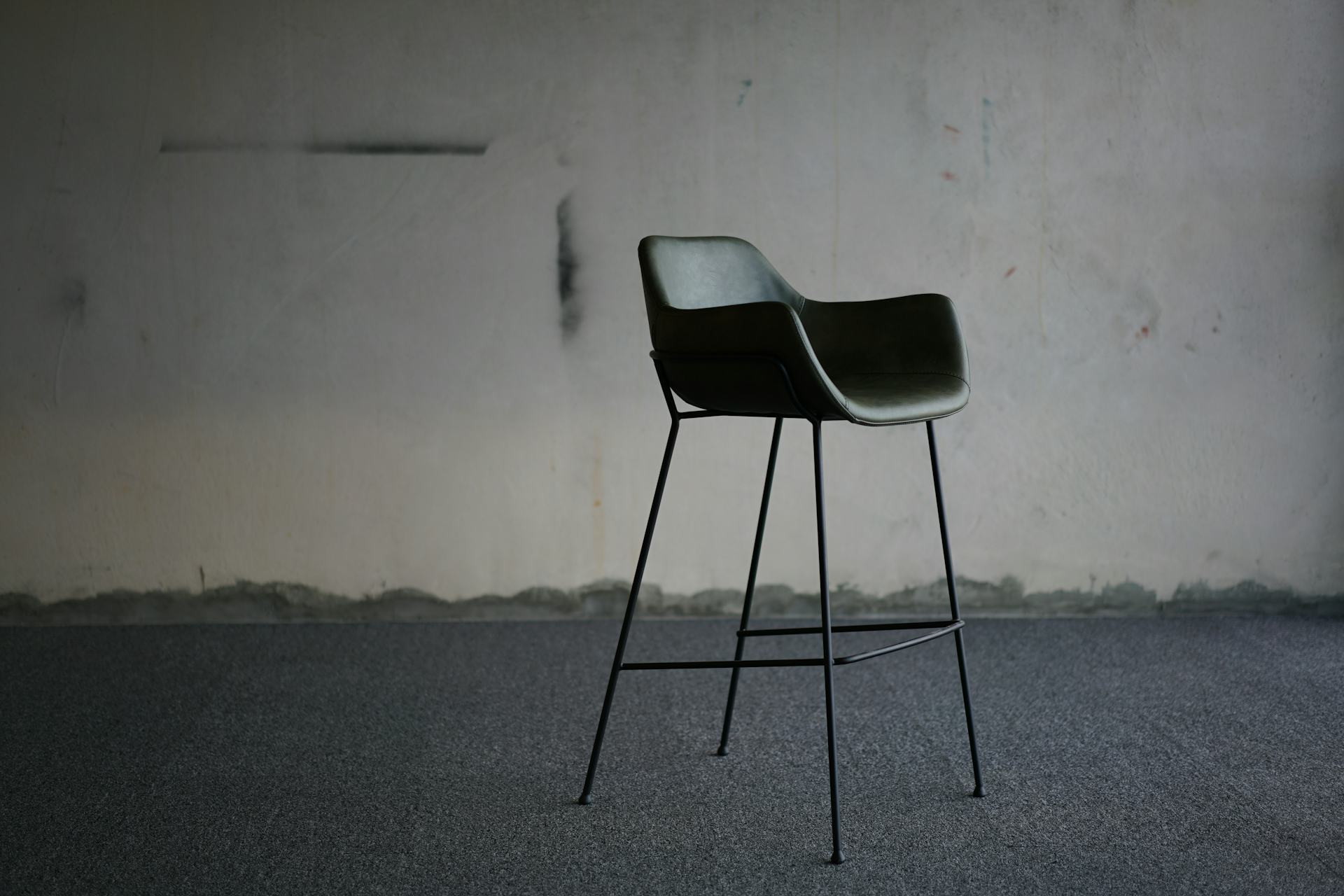
How to Sit Properly on a Bar Stool and Avoid Fatigue
A bar stool can be a stylish and practical addition to your home — whether it’s at the kitchen island, the home bar, or a high-top dining table. But if you’ve ever found yourself shifting uncomfortably after a few minutes, you’re not alone. Sitting on a bar stool for extended periods can strain your back, hips, and legs if your posture or stool height isn’t right. The good news is that with a few simple adjustments, you can sit comfortably and avoid fatigue.
Choose the Right Height
The first step to comfortable seating is making sure your stool is the right height for your counter or bar. As a general rule, there should be about 10–12 inches between the top of the stool seat and the underside of the counter. This allows enough room for your legs and helps you maintain a natural sitting position.
- For kitchen counters (around 36 inches high): Choose stools with a seat height of about 24–26 inches.
- For bar counters (around 40–42 inches high): Go for stools with a seat height of about 28–30 inches.
If your stool is adjustable, take advantage of that feature — especially if multiple people use it. The right height reduces pressure on your lower back and hips and helps you maintain better posture.
Sit with Support and Balance
Bar stools often lack backrests, which means your body has to do more work to stay balanced. To avoid strain, keep these tips in mind:
- Keep your feet supported. Rest them on a footrest, stool rung, or a sturdy bar rail. Letting your legs dangle increases pressure on your thighs and can lead to discomfort.
- Keep your back gently straight. Avoid slouching or rounding your lower back. Imagine a string pulling you upward from the top of your head.
- Stay close to the counter. Leaning too far forward can strain your shoulders and back. Instead, pull the stool closer so you can sit upright comfortably.
If you plan to sit for longer periods, consider a stool with a backrest or a padded seat. These features provide extra support and make it easier to maintain good posture.
Change Positions Regularly
Even the best sitting posture can become tiring if you hold it too long. Your body needs movement to keep blood flowing and muscles relaxed. Try to:
- Alternate between sitting and standing if you’re working or socializing for a while.
- Shift your weight from one leg to the other occasionally.
- Roll your shoulders or stretch your back every so often.
Small movements can make a big difference in preventing stiffness and fatigue.
Pick a Stool That Fits You
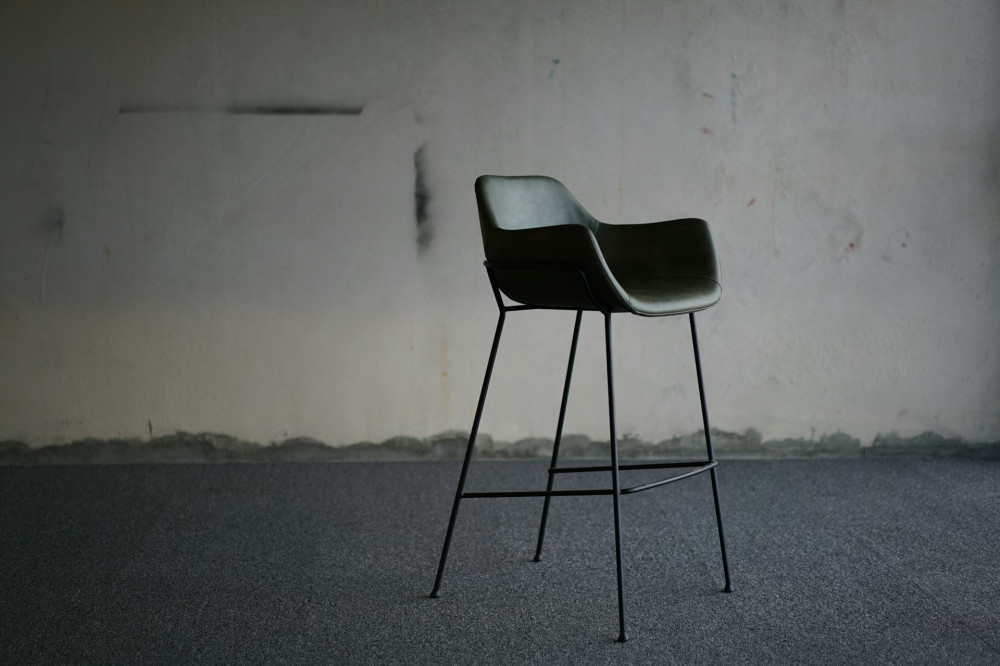
Bar stools come in countless designs — from sleek metal frames to cushioned swivel seats. When choosing one, think beyond style and focus on comfort:
- Backrest or no backrest: A backrest offers support but takes up more space. Backless stools look lighter and more open but require more core engagement.
- Footrest: Essential for taller stools. It relieves pressure on your legs and helps you stay balanced.
- Padding: A cushioned seat is more comfortable, especially if you’ll be sitting for longer stretches.
Whenever possible, test the stool before buying. Make sure you can sit comfortably without feeling the need to tense your muscles.
Læs også:
Create a Comfortable Setup
Even the best stool won’t feel right if your surroundings aren’t set up properly. Check that your counter height, lighting, and spacing between stools are all well balanced. If you use your bar stool as a workspace, consider adding a small footrest or cushion for extra comfort.
A well-designed space isn’t just about ergonomics — it’s about atmosphere. A comfortable stool at your kitchen island can turn it into a favorite spot for morning coffee, casual meals, or evening conversations.
Good Posture Becomes a Habit
Sitting properly on a bar stool isn’t about being rigid — it’s about finding a natural balance between support and movement. Once you become aware of your posture, you’ll notice the difference: less fatigue, better comfort, and a more relaxed body.
So next time you take a seat at the counter, adjust the height, find your footrest, and straighten your back. A few mindful tweaks can make your bar stool one of the most comfortable seats in the house.
Læs også: