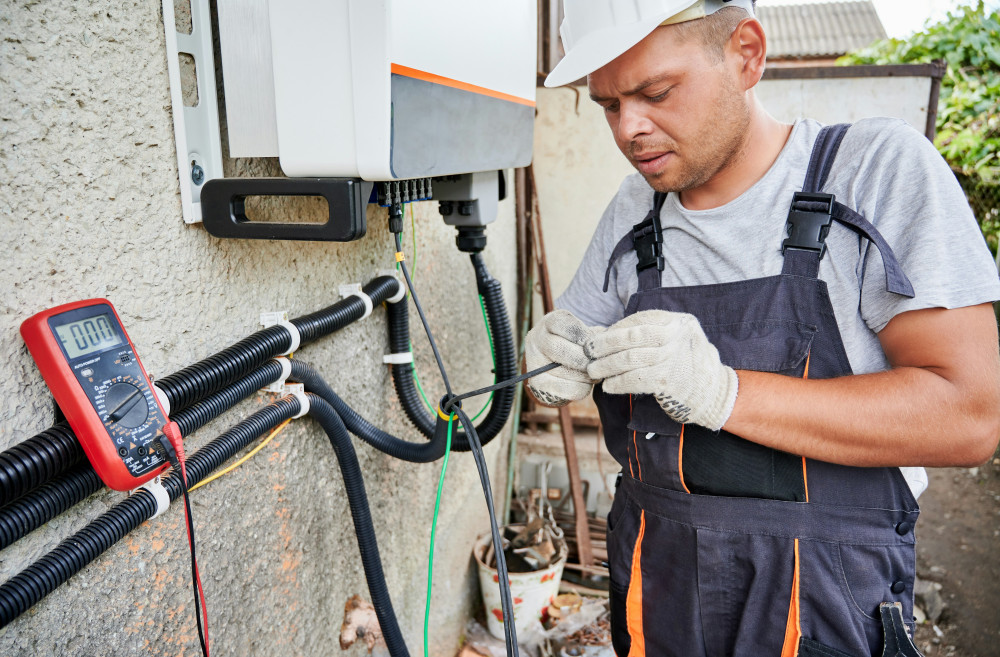
The Electrical Panel – The Heart of the Smart Home

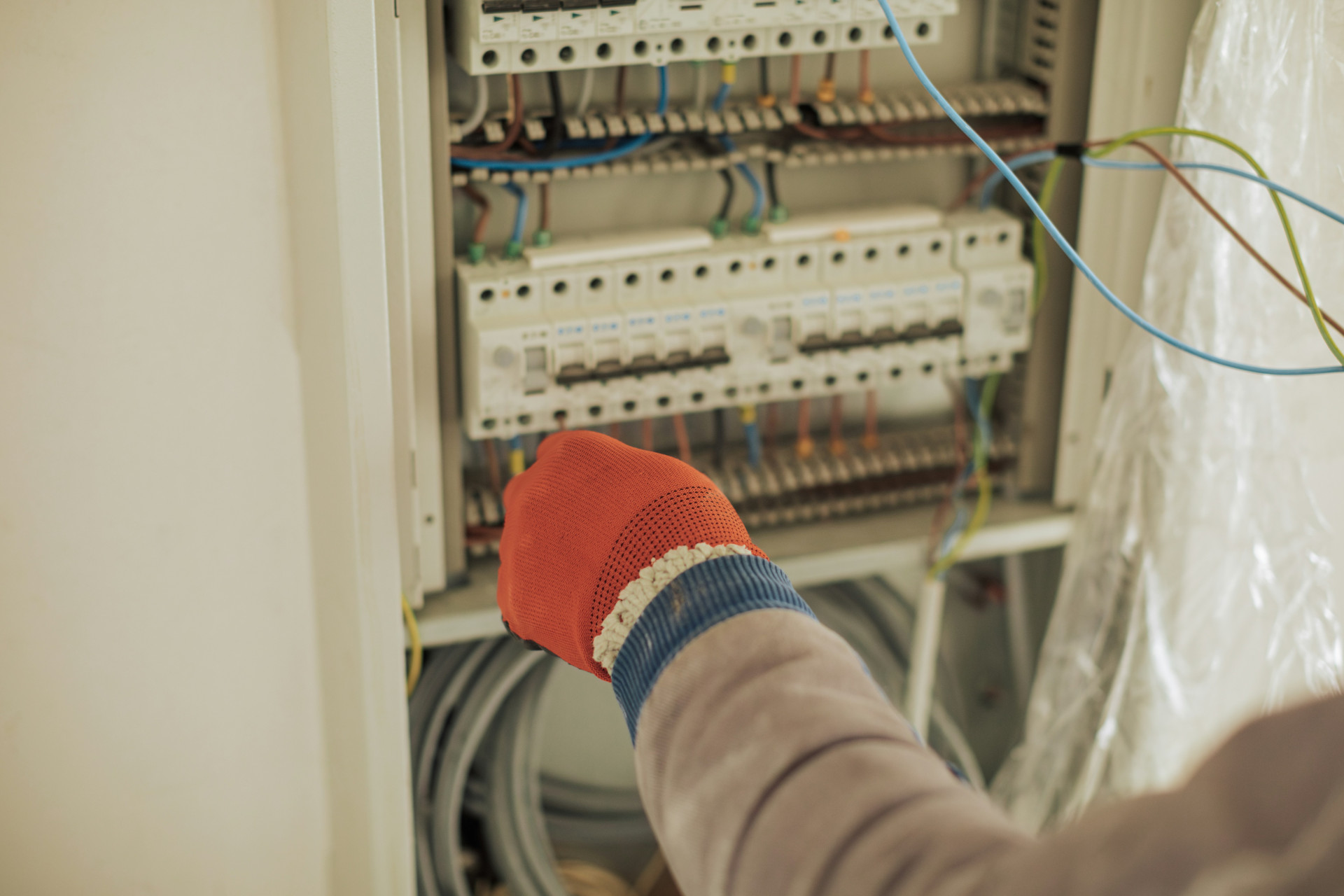
The Electrical Panel – The Heart of the Smart Home
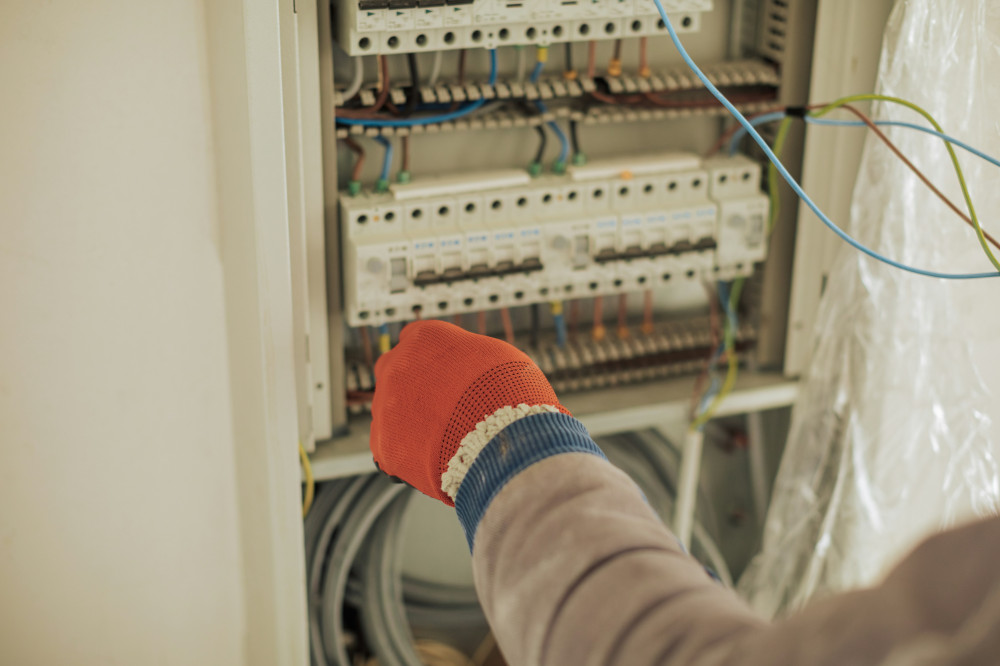
When we talk about smart homes, most people think of voice-controlled lights, automated blinds, and intelligent thermostats. But behind all these modern conveniences lies a central component that rarely gets attention: the electrical panel. It’s the home’s command center—the place where power is distributed and where safety, comfort, and technology come together. As our homes become more connected and energy-conscious, the electrical panel is taking on a more vital role than ever before.
From Breaker Box to Smart Hub
In the past, the electrical panel—often called the breaker box—was simply where you went to reset a tripped circuit. Today, it’s far more sophisticated. Modern panels can include smart breakers and monitoring modules that communicate with the rest of your home’s systems. This allows homeowners to track energy use, manage lighting, control heating and cooling, and even integrate solar panels and EV chargers.
For many homeowners, it’s eye-opening to realize how much control and data can be centralized in one place. The electrical panel is no longer just a technical necessity—it’s an active part of your home’s comfort, efficiency, and intelligence.
Safety First
No matter how advanced the technology becomes, the electrical panel’s primary job remains the same: keeping your home safe from electrical faults. Circuit breakers and ground fault circuit interrupters (GFCIs) ensure that power is cut off instantly in the event of an overload or short circuit, preventing fires and electrical shocks.
In a smart home, safety can go even further. Some systems can send alerts to your phone if a breaker trips or if unusual power usage is detected. That kind of real-time feedback provides peace of mind—especially when you’re away from home.
Energy Monitoring and Sustainability
The electrical panel also plays a key role in energy efficiency and sustainability. With smart meters and energy management modules, you can monitor your electricity consumption in real time and identify which appliances use the most power. This insight makes it easier to adjust habits and reduce waste.
If you have solar panels, a heat pump, or an electric vehicle, the panel can coordinate energy flow to make the most of your power. For example, it can prioritize charging your EV when solar production is high or when utility rates are lowest. In this way, the electrical panel becomes a tool for a greener, more cost-effective lifestyle.
Læs også:

Ready for the Future
A smart home is never static—it evolves as technology advances. That’s why a modern electrical panel should be designed with flexibility in mind. Modular panels allow for easy expansion, so you can add new features as your needs change. Whether it’s integrating ventilation control, advanced energy storage, or new smart home platforms, a well-planned panel makes upgrades simple and affordable.
If you’re building a new home or renovating, it’s wise to think of the electrical panel as part of your home’s digital infrastructure—just like your network and Wi-Fi. Planning ahead ensures that your home is ready for future innovations without major rewiring.
Professional Installation and Maintenance
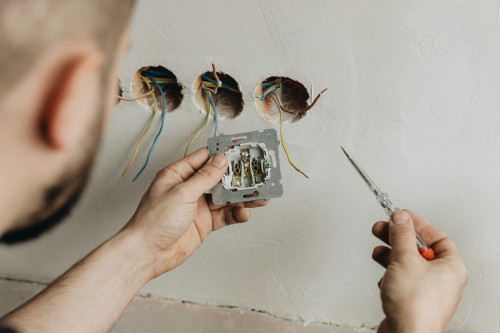
While many smart home devices are designed for DIY installation, the electrical panel is not one of them. It should always be installed and serviced by a licensed electrician. This ensures compliance with local codes and guarantees that your system operates safely and efficiently. A professional can also advise you on how to best integrate traditional wiring with smart technologies.
Regular maintenance is another smart investment. Dust, loose connections, or aging components can affect both safety and performance. Having your panel inspected every few years helps keep your system in top condition and prevents costly issues down the road.
The Invisible but Indispensable Heart
The electrical panel may not be the most visible part of your home, but its importance can’t be overstated. It keeps power flowing safely, optimizes energy use, and enables all the smart features that make modern living so convenient. In short, without a well-functioning electrical panel, there is no smart home.
So the next time you dim the lights with your voice or check your energy use on your phone, remember—it all starts in one place: the electrical panel.
Læs også: