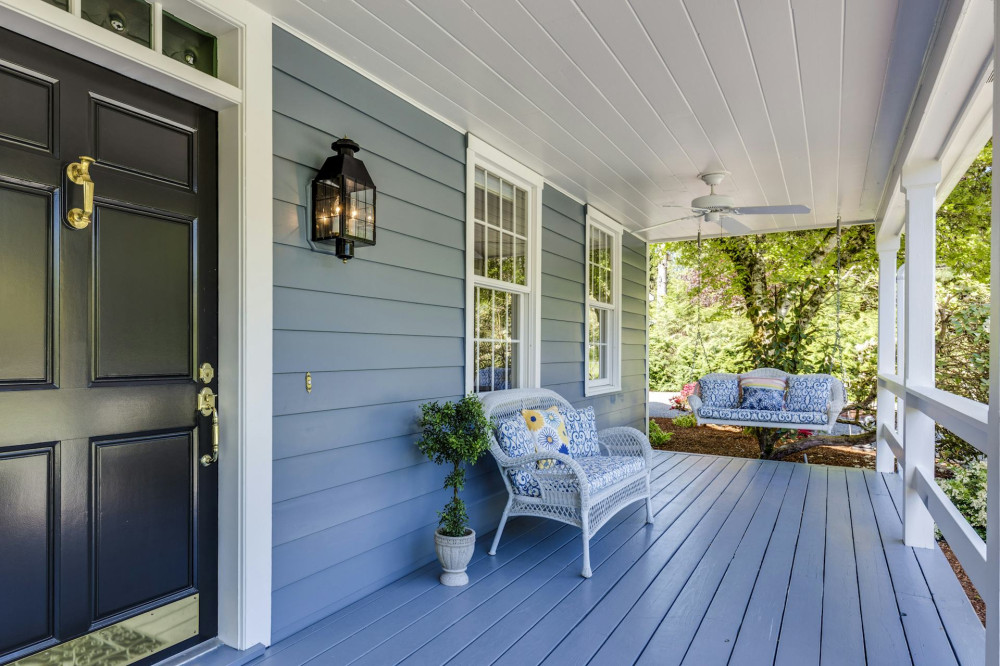
Support Programs That Help Preserve Rural Housing


Support Programs That Help Preserve Rural Housing
Across rural America, many small towns and farming communities face a common challenge: aging homes, declining populations, and limited access to financing for repairs or new construction. Yet, maintaining quality housing is essential for keeping these communities vibrant and sustainable. Fortunately, a range of federal, state, and local programs exist to help homeowners, landlords, and local governments preserve and improve rural housing. Here’s an overview of some of the most important options.
USDA Rural Development – Loans and Grants for Homeowners
One of the most significant sources of support for rural housing comes from the U.S. Department of Agriculture (USDA) Rural Development. Through its Single Family Housing Repair Loans and Grants Program (Section 504), low-income homeowners can receive loans to modernize, repair, or improve their homes. Seniors aged 62 or older may also qualify for grants to remove health and safety hazards, such as faulty wiring or leaking roofs.
In addition, the Single Family Housing Direct Home Loans Program (Section 502) helps low- and very-low-income families purchase, build, or renovate homes in eligible rural areas. These loans often come with low interest rates and extended repayment terms, making homeownership more accessible.
State and Local Housing Initiatives
Many states operate their own rural housing preservation programs, often in partnership with federal agencies. For example, state housing finance agencies may offer low-interest loans or matching grants for home repairs, energy efficiency upgrades, or accessibility improvements. Some states also provide funding to local governments or nonprofit organizations that rehabilitate older homes and resell them to qualified buyers.
Local governments sometimes supplement these efforts with property tax incentives, rehabilitation grants, or down payment assistance for families willing to settle in rural communities. These programs not only improve housing quality but also help attract new residents and revitalize small towns.
Læs også:


Nonprofit and Community-Based Programs
Nonprofit organizations play a vital role in preserving rural housing. Groups such as Habitat for Humanity, NeighborWorks America, and local community development corporations (CDCs) provide affordable housing solutions, volunteer labor, and technical assistance for home repairs. Many of these organizations focus on helping low-income families stay in their homes while improving safety and energy efficiency.
In some areas, Community Action Agencies coordinate weatherization and home repair programs funded by federal or state grants. These initiatives can cover insulation, heating system upgrades, and other improvements that reduce energy costs and make homes more comfortable year-round.
Energy Efficiency and Weatherization Assistance
Older rural homes often struggle with high energy bills due to poor insulation or outdated heating systems. The Weatherization Assistance Program (WAP), funded by the U.S. Department of Energy, helps low-income households reduce energy costs by improving home efficiency. Services may include sealing air leaks, adding insulation, and upgrading heating or cooling systems.
Combining weatherization assistance with other repair programs can make a significant difference—lowering monthly expenses, improving comfort, and extending the life of rural homes.
Partnerships and Community Revitalization
Preserving rural housing is not just about individual homes—it’s about strengthening entire communities. Many successful initiatives involve partnerships between local governments, nonprofits, and residents. Programs that combine housing rehabilitation with investments in infrastructure, broadband, and community facilities can make rural areas more attractive for families and businesses alike.
Some regions have launched rural revitalization grants that support projects such as converting vacant buildings into housing, creating shared community spaces, or developing mixed-use properties that combine housing with local services.
Keeping Rural Communities Strong
Rural housing preservation is about more than bricks and mortar—it’s about sustaining the people and traditions that define small-town America. By taking advantage of available support programs, homeowners and communities can ensure that rural areas remain livable, affordable, and full of opportunity for generations to come.
Whether through a USDA loan, a state repair grant, or a local volunteer project, every effort to maintain and improve rural housing helps keep the heart of America strong.
Læs også: