A Tidy Home Starts with Thoughtful Design

A Tidy Home Starts with Thoughtful Design
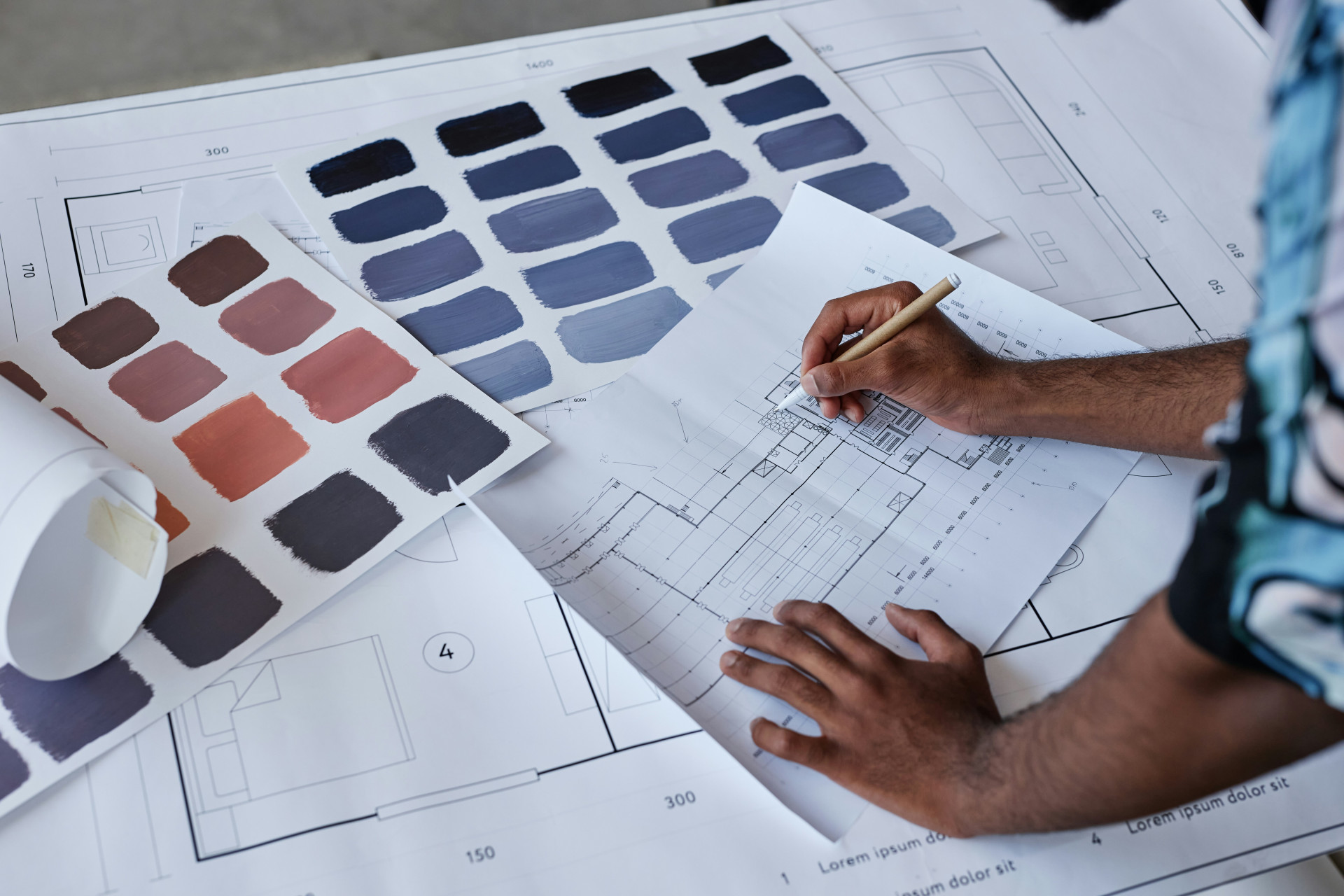
A tidy home is rarely just about how often you clean—it’s about how well your space is designed to support everyday life. When rooms are planned with intention, it becomes easier to stay organized, find what you need, and feel calm in your surroundings. Thoughtful design isn’t only about style; it’s about creating a home that works for you. Here’s how to design a space that looks inviting and stays effortlessly neat.
Start by Understanding Your Lifestyle
Before rearranging furniture or buying new storage bins, take a moment to think about how you actually live in your home. Which areas get messy fastest? Where do things tend to pile up? What activities happen in each room?
Observe your daily routines: Where do you drop your keys when you come in? Where does the mail land? Where do clothes or papers accumulate? Once you understand your habits, you can design your home to support them instead of fighting against them.
Læs også:
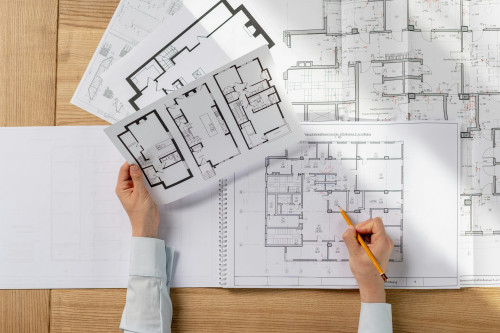

Create Clear, Functional Zones
One of the most effective ways to maintain order is to give every area a clear purpose. When each zone has a defined function, it’s easier to keep things in their place.
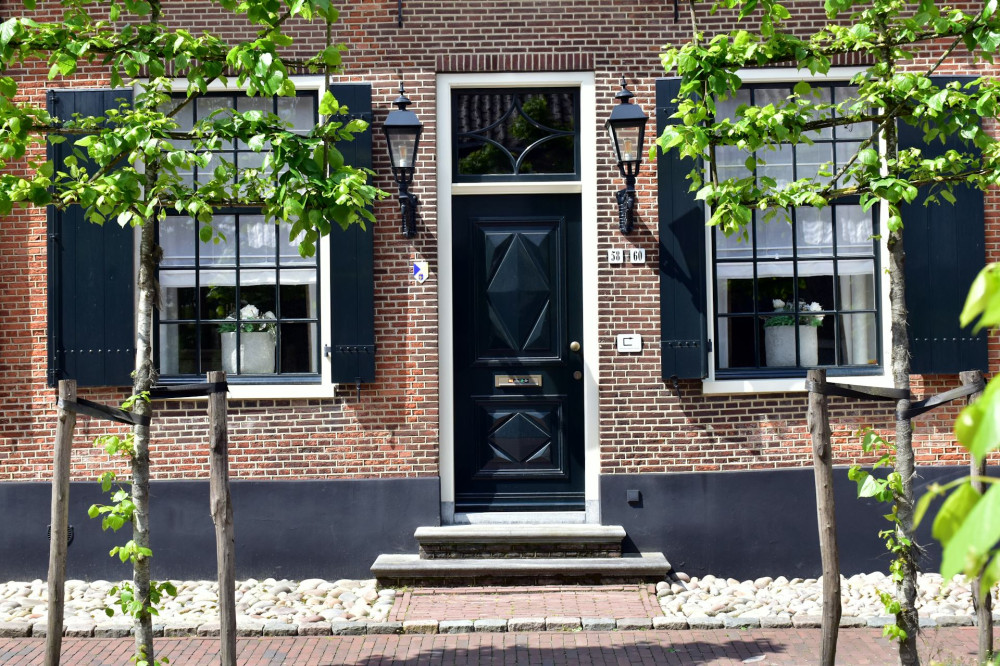
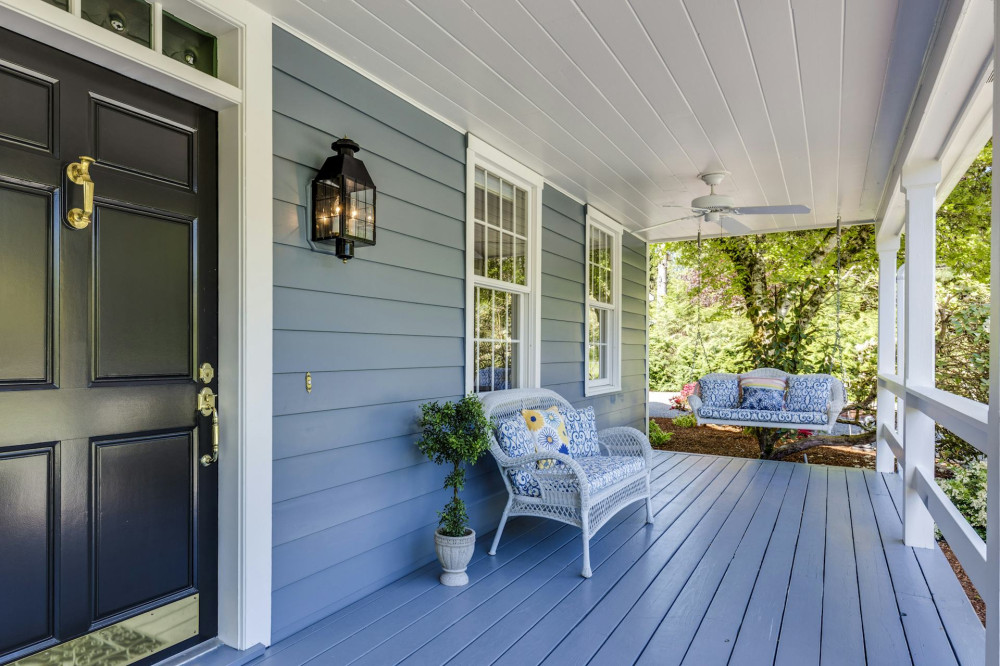
- Entryway: Provide designated spots for shoes, coats, and keys. A bench with hidden storage or wall hooks can make a big difference.
- Living room: Balance comfort and order. Use baskets or drawers for remotes, magazines, and small items.
- Kitchen: Group tools and ingredients by use—perhaps a “coffee station” or “breakfast zone” to streamline your mornings.
- Bedroom: Keep it calm and uncluttered. Choose closed storage over open shelving to minimize visual noise.
When everyone in the household knows where things belong, tidiness becomes second nature.
Build Storage into the Design
Clutter often appears because there simply isn’t enough—or the right kind of—storage. That’s why storage should be part of the design from the start, not an afterthought.
Choose furniture that combines beauty and function: a bed with drawers underneath, a coffee table with hidden compartments, or shelving that mixes open and closed sections. Use vertical space too—tall cabinets or shelves above doors can make the most of every inch.
But remember, more storage doesn’t automatically mean more order. The goal is to have the right solutions for the things you actually use, not to hide what you don’t need.
Make Tidying Easy
A tidy home doesn’t require constant cleaning if your systems are simple. The easier it is to put things away, the more likely it is to happen.
- Use baskets and bins for quick cleanups, especially in shared spaces like the living room or kids’ rooms.
- Give everyday essentials—chargers, keys, mail—a permanent home.
- Create small routines, like spending five minutes each evening putting things back in place. These habits prevent clutter from building up.
When tidying becomes part of your rhythm, it feels less like a chore and more like a natural part of daily life.
Light, Color, and Materials Shape the Feeling of Order
A room can look cluttered even when it’s not—and the opposite is also true. Light, color, and materials all influence how we perceive order and calm.
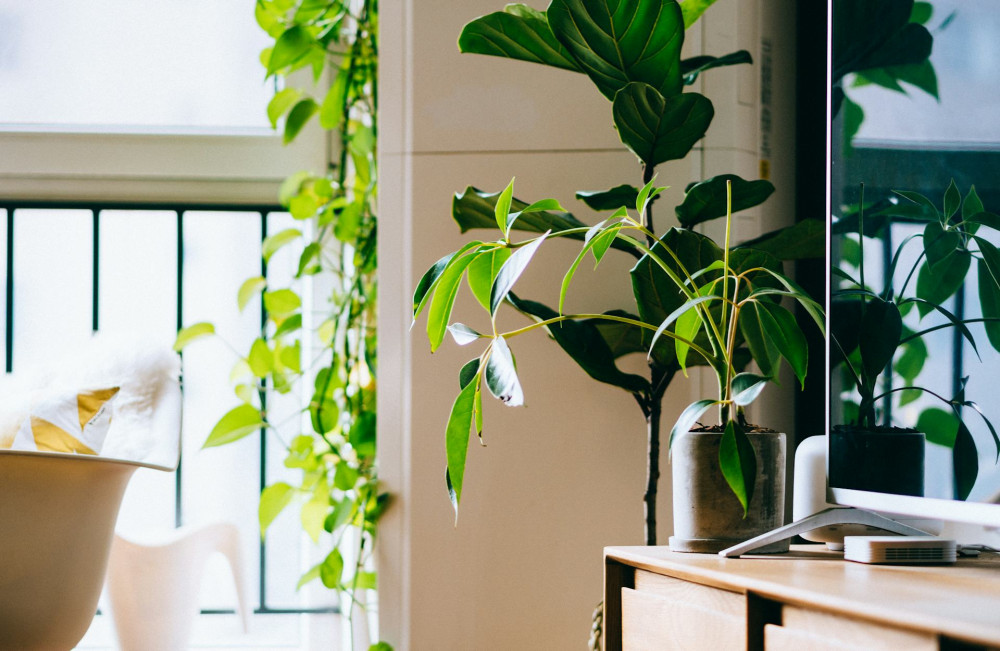
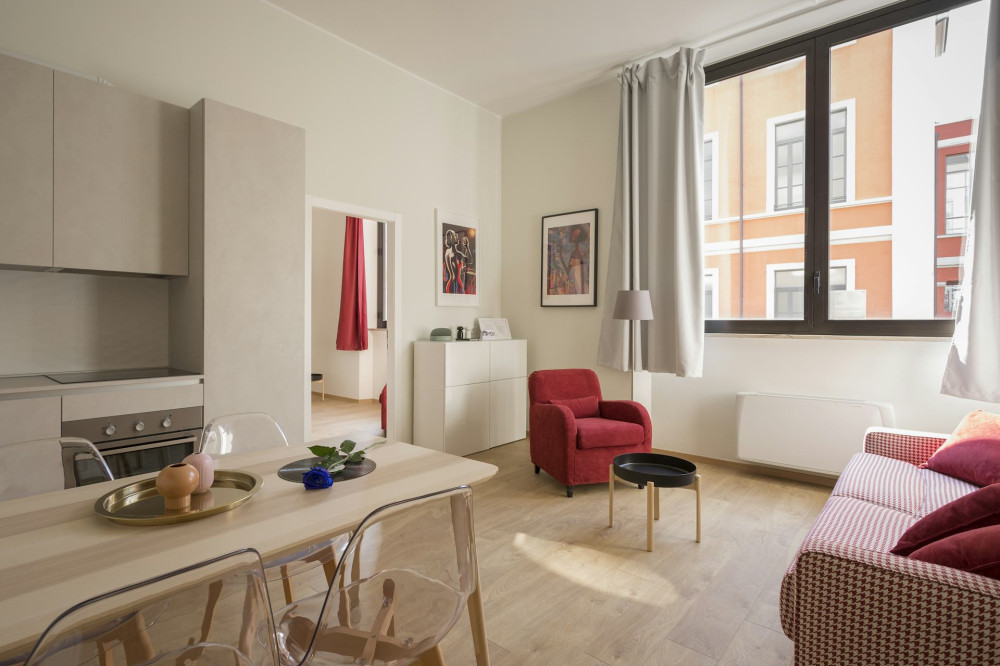
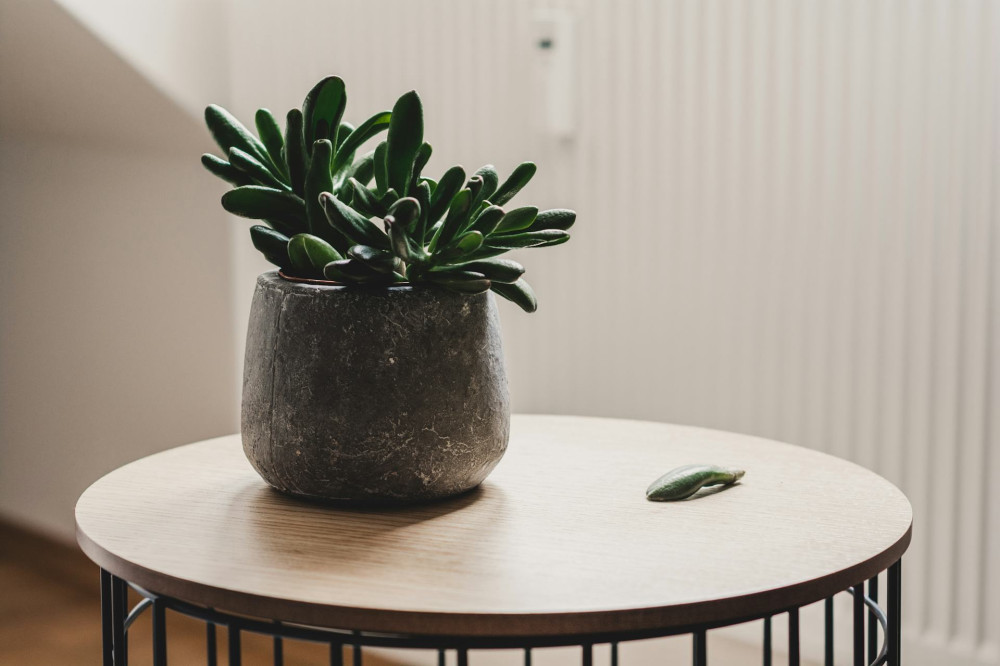
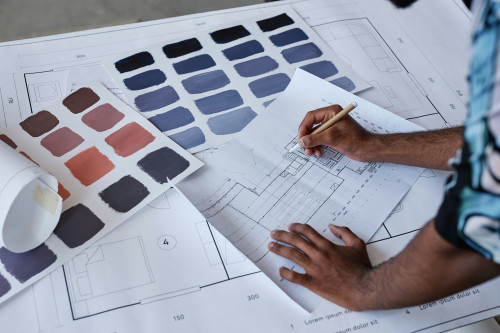
Light colors and natural materials create a sense of openness and balance. Avoid too many bold patterns or contrasts in small spaces, as they can make a room feel busy. Instead, use textiles, plants, and textures to add warmth without overwhelming the space.
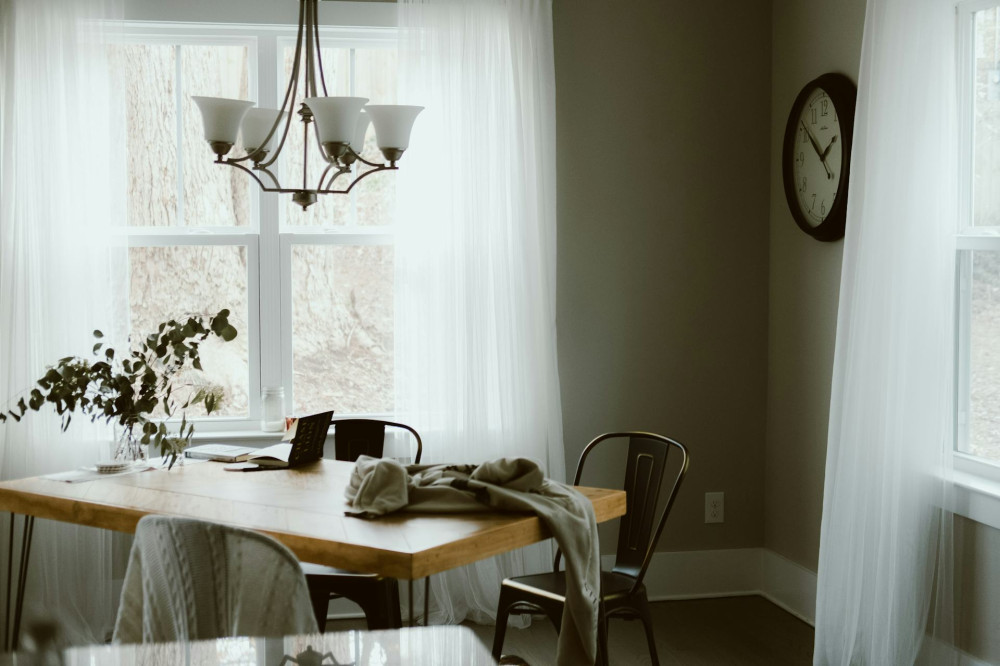
Good lighting is essential too. A well-lit room feels more spacious and organized, while dark corners can make even a tidy space seem messy.
Fewer Things, More Peace
Ultimately, a tidy home is about owning fewer, better things. When you surround yourself only with what you use and love, it’s easier to maintain both physical and mental clarity.
Take time to regularly review your belongings. Ask yourself whether each item serves a purpose or brings you joy. If not, consider donating or recycling it. You’ll gain not just space, but also a sense of lightness and freedom.
A Home That Works for You
A thoughtfully designed home makes everyday life smoother. When your layout supports your routines and everything has its place, you can relax and enjoy your surroundings. Order isn’t about perfection—it’s about creating a space that gives you peace and the freedom to focus on what truly matters.
Læs også: