Safe Handling of Tools in the Garage

Safe Handling of Tools in the Garage
For many Americans, the garage is more than just a place to park the car—it’s a workshop, a creative space, and a spot for weekend projects. But with tools, power equipment, and materials all in one place, safety should always come first. A single careless moment can lead to injury, so it’s important to stay organized, use the right equipment, and develop safe habits. Here’s a practical guide to keeping your garage a safe and productive workspace.
Keep It Organized
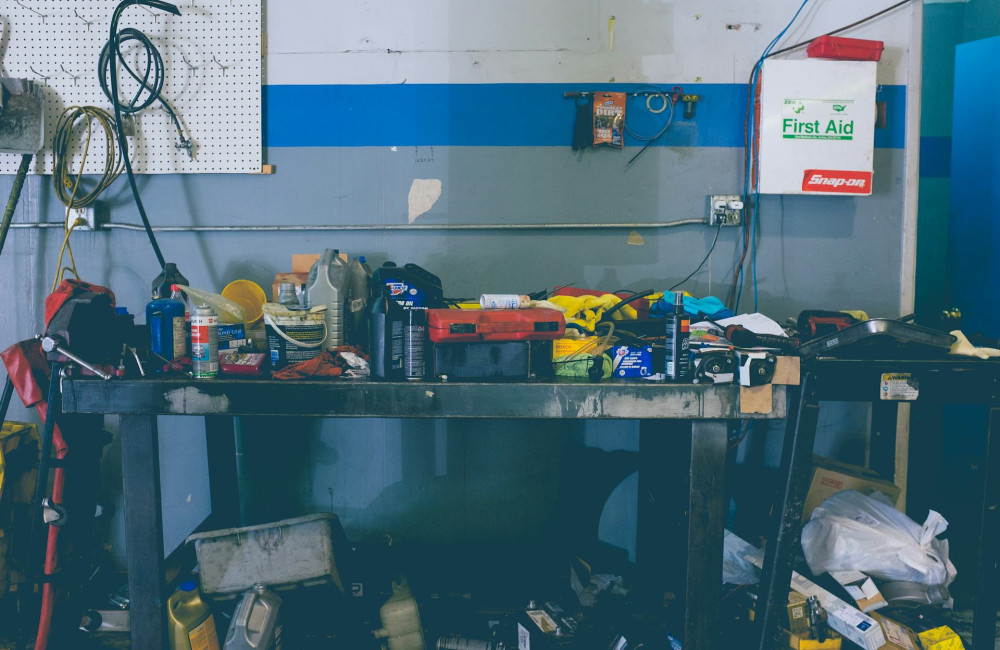
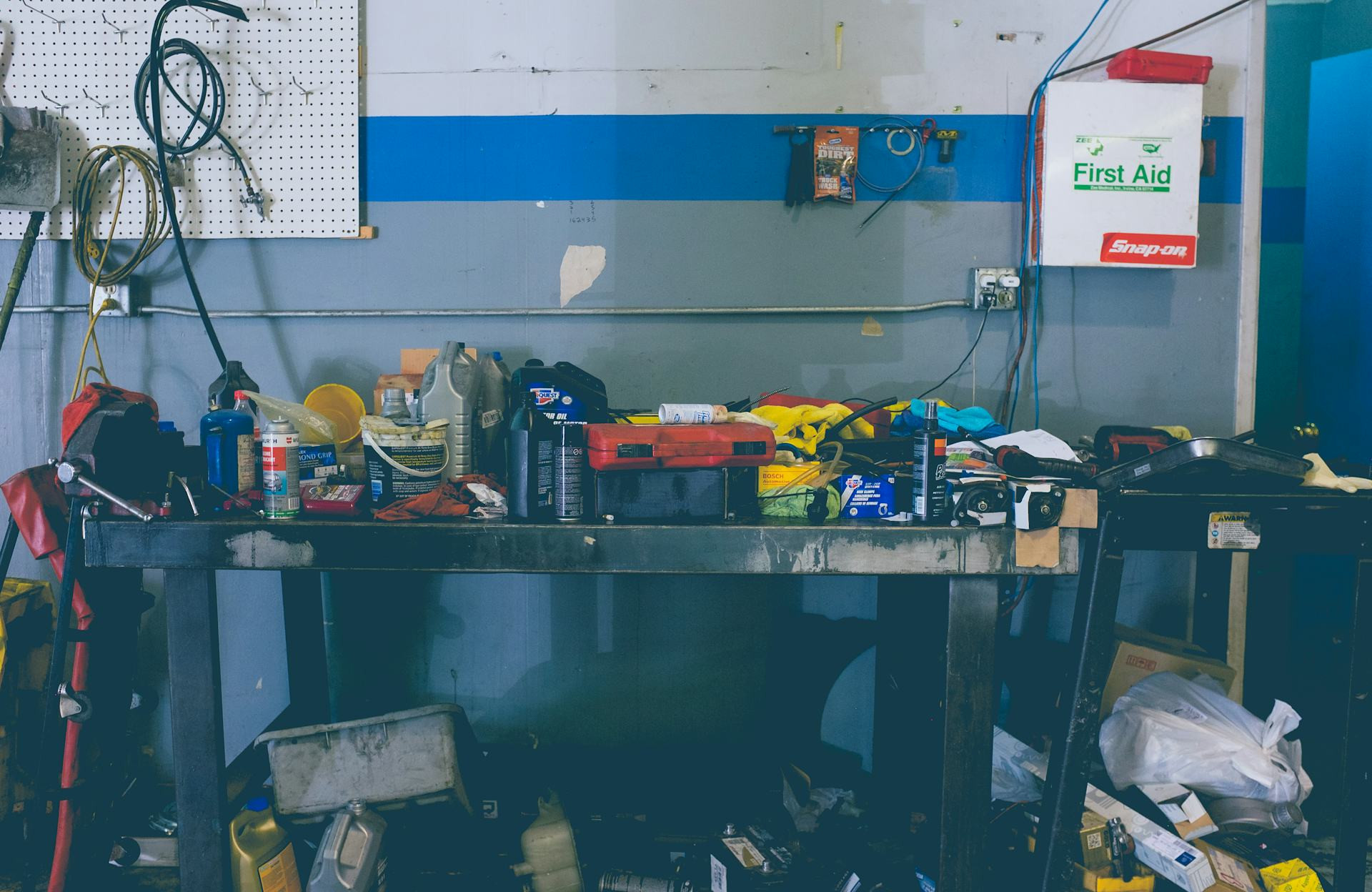
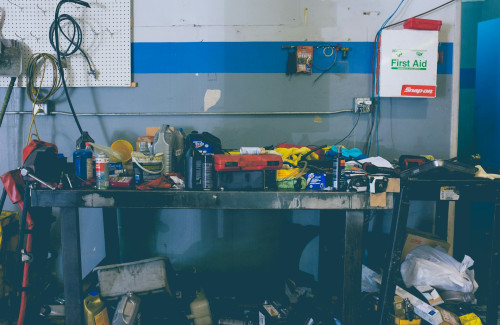
A cluttered garage is an accident waiting to happen. When tools and materials are scattered around, it’s easy to trip, cut yourself, or grab the wrong item. Start by creating order:
- Use pegboards – Hang hand tools where you can easily see and reach them.
- Sort by type – Keep power tools in one area, hand tools in another, and small items like screws and nails in labeled containers.
- Keep the floor clear – Avoid cords, spills, and loose objects that can cause slips or falls.
A tidy garage not only keeps you safe but also makes your work faster and more enjoyable.
Læs også:



Use the Right Tool for the Job
Improvising with the wrong tool might seem convenient, but it’s rarely safe. A wrench isn’t a hammer, and a screwdriver isn’t a chisel. Using tools incorrectly can damage them—and you.
Always inspect your tools before use. Look for cracked handles, loose parts, or frayed cords on power tools. If something looks worn or unsafe, repair or replace it. And if you’re unfamiliar with a tool, take a moment to read the manual or watch a reliable tutorial before starting.
Protect Yourself
Even small projects can produce noise, dust, and flying debris. Always wear the right protective gear:
- Safety glasses – Shield your eyes from dust and splinters.
- Hearing protection – Essential when using drills, saws, or sanders.
- Work gloves – Choose gloves suited to the task: thin for precision work, heavy-duty for rough jobs.
- Dust mask or respirator – Use when sanding, painting, or working with chemicals.
It might feel unnecessary at first, but consistent use of protective gear prevents injuries and long-term health issues.
Handle Power Tools with Care
Power tools make work easier but demand respect. Keep cords out of walkways, and make sure outlets and extension cords are in good condition. Always use both hands when operating a tool, and unplug it before changing bits, blades, or attachments.
If you’re working outdoors or in damp conditions, use a ground fault circuit interrupter (GFCI) outlet to prevent electric shock. And when you’re done, unplug the tool—don’t just switch it off.
Store and Maintain Your Tools
Good tools can last for decades if properly cared for. Clean them after each use and store them in a dry, temperature-controlled space. Moisture and rust are a tool’s worst enemies.
Lubricate moving parts regularly, and keep blades and bits sharp. Dull tools require more force and increase the risk of losing control.
Keep Children and Visitors Safe
If you have kids, make sure the garage is a safe environment—not a playground. Lock up dangerous tools, chemicals, and power equipment. Ensure that children can’t accidentally start machines or access sharp objects. The same goes for guests who may not be familiar with workshop safety.
A simple rule: If it can cause harm, keep it out of reach.
Build Safe Habits
Safety isn’t just about equipment—it’s about behavior. Make it a habit to:
- Clean up after every project.
- Inspect tools before use.
- Work in good lighting.
- Take breaks to stay alert and focused.
These small routines make a big difference and help ensure your garage remains a safe and efficient place to work.
A Safe Garage Is a Productive Garage
Safe tool handling isn’t about being overly cautious—it’s about working confidently and efficiently. When you stay organized, use the right tools, and follow good safety habits, you can focus on what really matters: the satisfaction of building, fixing, and creating with your own hands.
Læs også: