Make Your Child’s Room Personal with Colors and Textiles

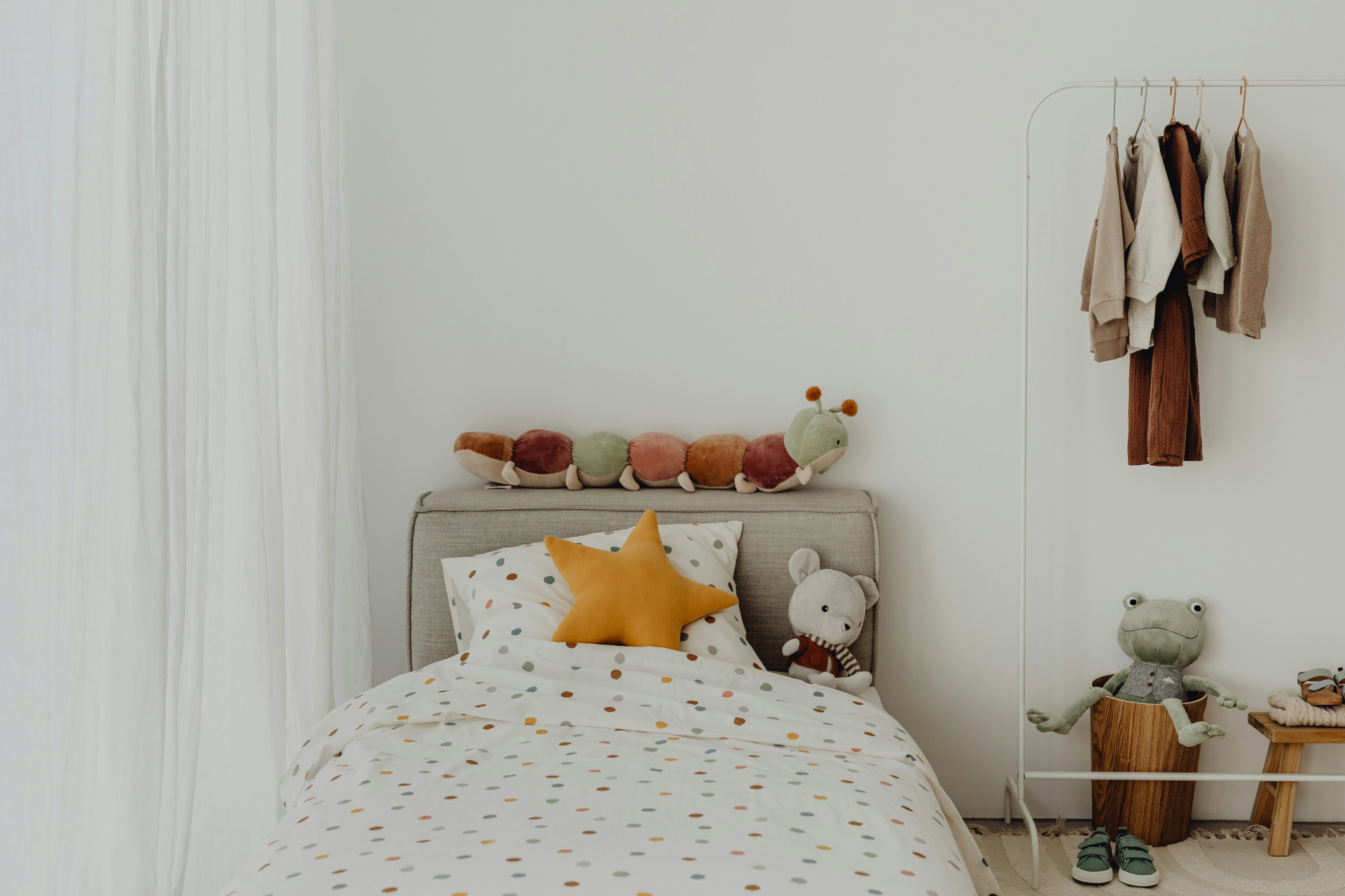
Make Your Child’s Room Personal with Colors and Textiles
A child’s room is more than just a place to sleep – it’s a space for imagination, play, and comfort. With the right colors and textiles, you can create an environment that reflects your child’s personality and supports their growth. Whether you’re decorating for a toddler, a school-age child, or a teen, small changes in color choices, patterns, and materials can make a big difference.
Start with Color – It Sets the Mood
Color has a powerful effect on mood and energy, so it’s worth thinking about the atmosphere you want to create.
- Soft pastels bring calm and work well in sleeping areas.
- Bright colors like yellow, green, and blue can energize and inspire play.
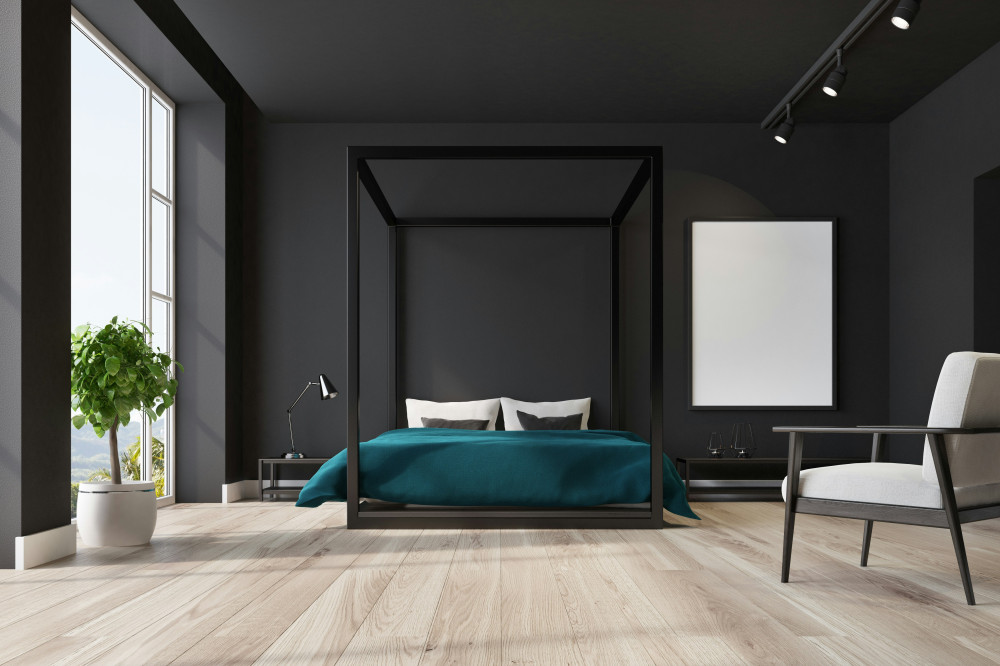
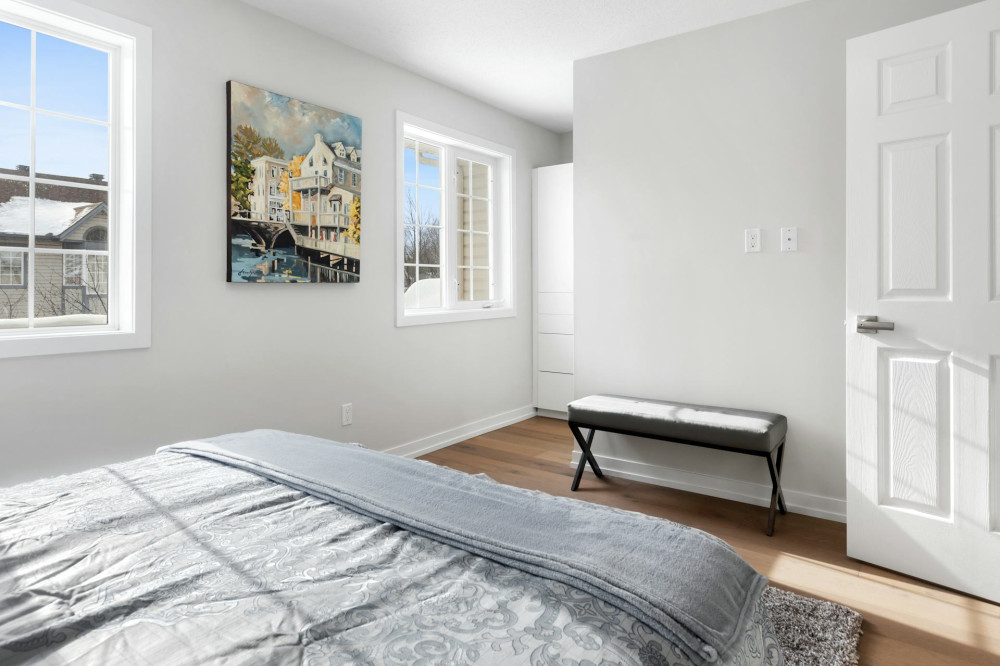
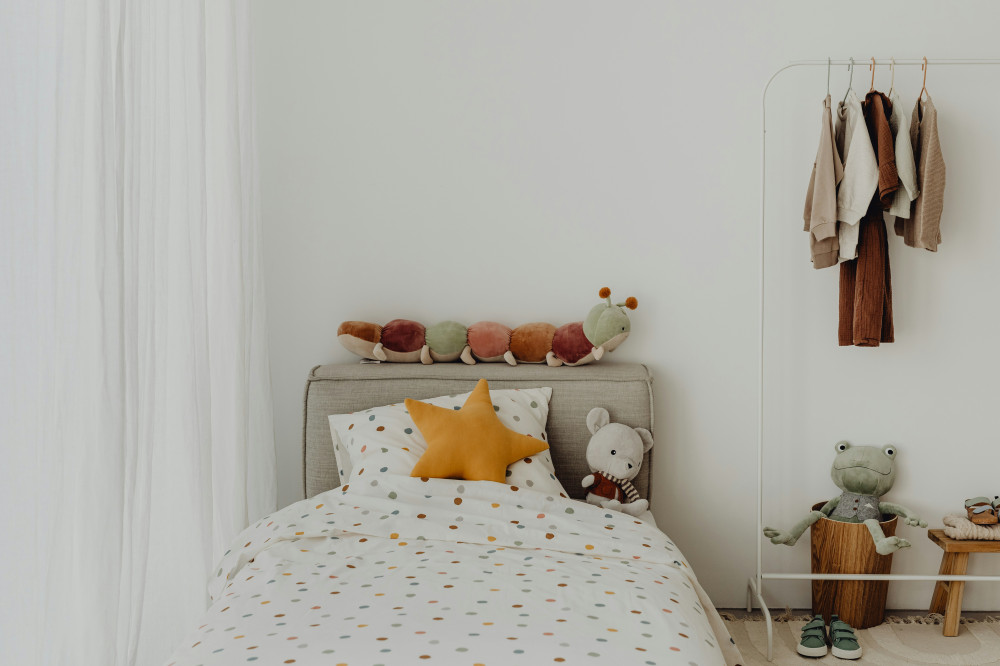
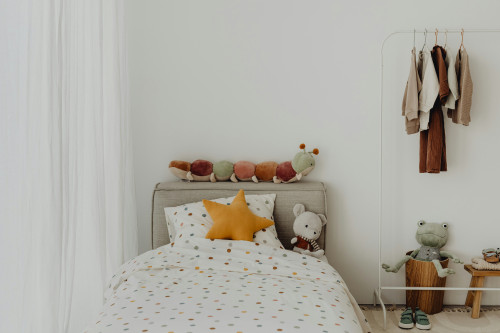
- Neutral tones such as beige, gray, and white create a peaceful base that can be brightened with colorful accents.
A good rule of thumb is to choose one main color and two or three accent colors for textiles and accessories. This keeps the room balanced while still giving it personality.
Textiles That Add Warmth and Character
Textiles are key to making a child’s room feel cozy and inviting. They’re easy to change as your child grows and allow you to experiment with color and pattern without repainting the walls.
- Bedding and pillows can reflect your child’s interests – animals, space, flowers, or favorite characters.
- Rugs and throws add both comfort and color, and they can double as play mats or reading spots.
- Curtains help control light and create a calm atmosphere, especially when they match the room’s color theme.
- Beanbags and floor cushions invite relaxation and play – and can easily be moved around.
Mixing different textures – like soft cotton, chunky knit, and smooth velvet – gives the room depth and a more dynamic look.
Læs også:
Use Color and Textiles to Create Zones
A child’s room often needs to serve many purposes: play, study, sleep, and storage. Colors and textiles can help define these areas, making the space feel organized and harmonious.
- Use a colorful rug to mark the play zone.
- Choose soothing tones around the bed to signal rest.
- Create a creative corner with bright pillows and a bulletin board where your child can display drawings and ideas.
This approach makes the room both functional and personal – and helps your child understand that there’s space for both activity and relaxation.
Let Your Child Have a Say
When your child is old enough, involve them in the decorating process. Ask which colors they like best or let them pick out bedding and pillows. This gives them a sense of ownership and makes the room feel truly theirs.
You can also do small DIY projects together – paint a picture frame, sew a pillow cover, or make a fabric garland. These shared projects add a personal story to the room and create lasting memories.
Keep It Practical – But Don’t Forget the Fun
While style matters, a child’s room also needs to be practical. Choose washable fabrics and colors that can handle a bit of wear and tear. At the same time, leave room for creativity and play – sometimes a bright rug or a quirky pillow is all it takes to spark imagination.
A personal child’s room isn’t about following trends; it’s about creating a space where your child feels happy and at home. With colors and textiles as your tools, you can design a room that grows with them – and always feels uniquely theirs.
Læs også: