Lighting at Home: When Function and Innovation Go Hand in Hand

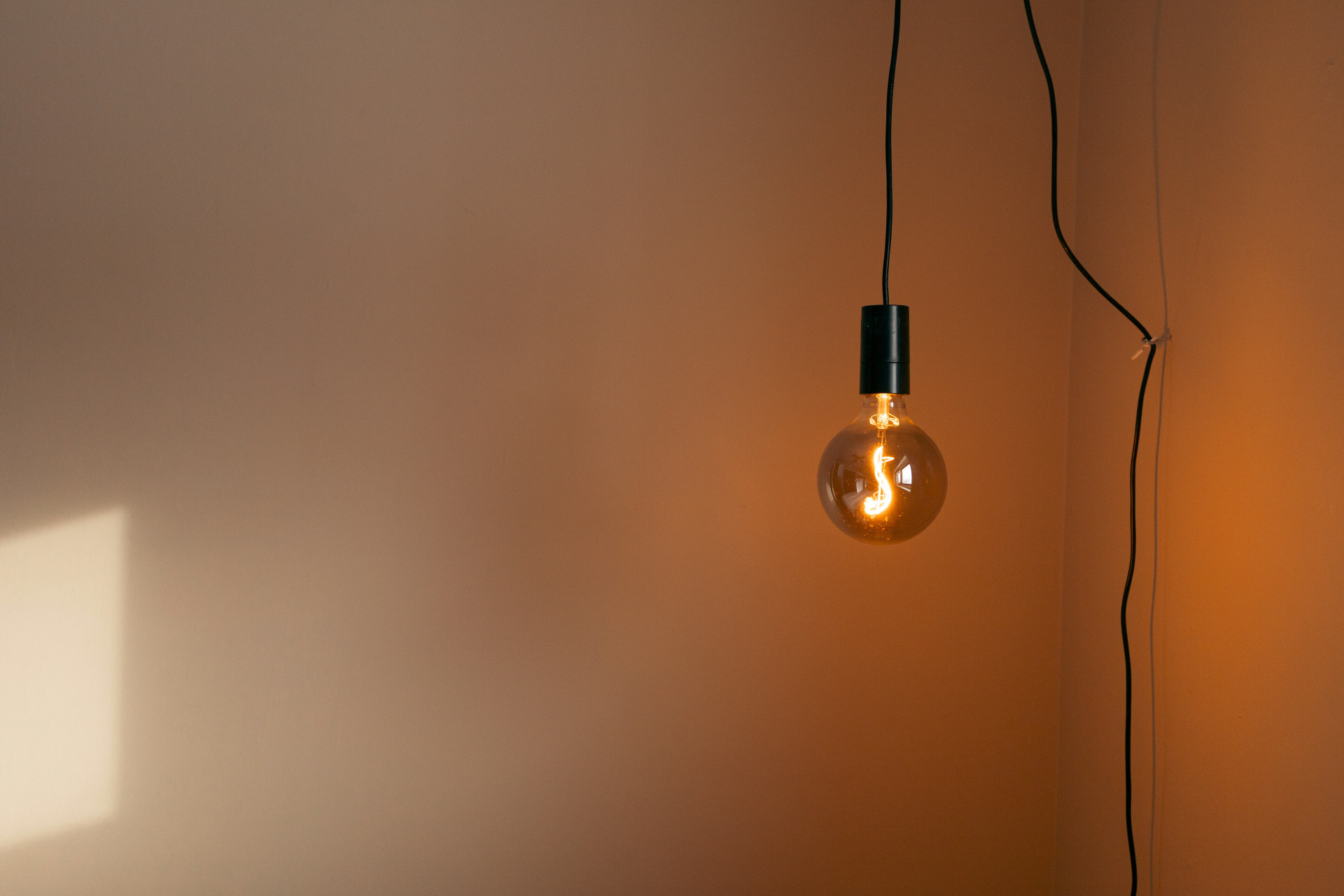
Lighting at Home: When Function and Innovation Go Hand in Hand
Light is far more than a practical necessity. It shapes the atmosphere of a room, influences our mood, and can even affect our sleep and productivity. As technology continues to evolve, home lighting has become an area where functionality and innovation meet. From smart bulbs that adjust to your daily rhythm to designs that combine aesthetics with energy efficiency, modern lighting is about finding the perfect balance between beauty and intelligence.
Light as Part of Everyday Life
We rarely think about it, but the light around us constantly affects how we feel and function. A warm, dim glow can create calm and comfort, while bright, cool light can boost focus and energy. Good lighting, therefore, isn’t just about lumens and fixtures—it’s about understanding how light interacts with our daily routines.
In the kitchen, we need bright, functional lighting for cooking and cleaning. The living room, on the other hand, calls for flexibility—light that can shift from reading mode to cozy ambiance in seconds. In the bedroom, soft, warm light helps the body wind down, while the bathroom benefits from neutral, color-accurate lighting that makes grooming easier.
Smart Lighting – When Technology Moves In
In recent years, smart lighting systems have become increasingly common in American homes. With a smartphone or voice assistant, you can adjust brightness, color temperature, and even schedule when lights turn on or off. This not only adds convenience but also helps save energy.
Imagine lights that automatically dim as the sun sets, or turn on when you arrive home. Some systems can even simulate sunrise in the morning, helping you wake up more naturally. It’s innovation that makes everyday life both easier and more comfortable.
Design and Sustainability in Focus
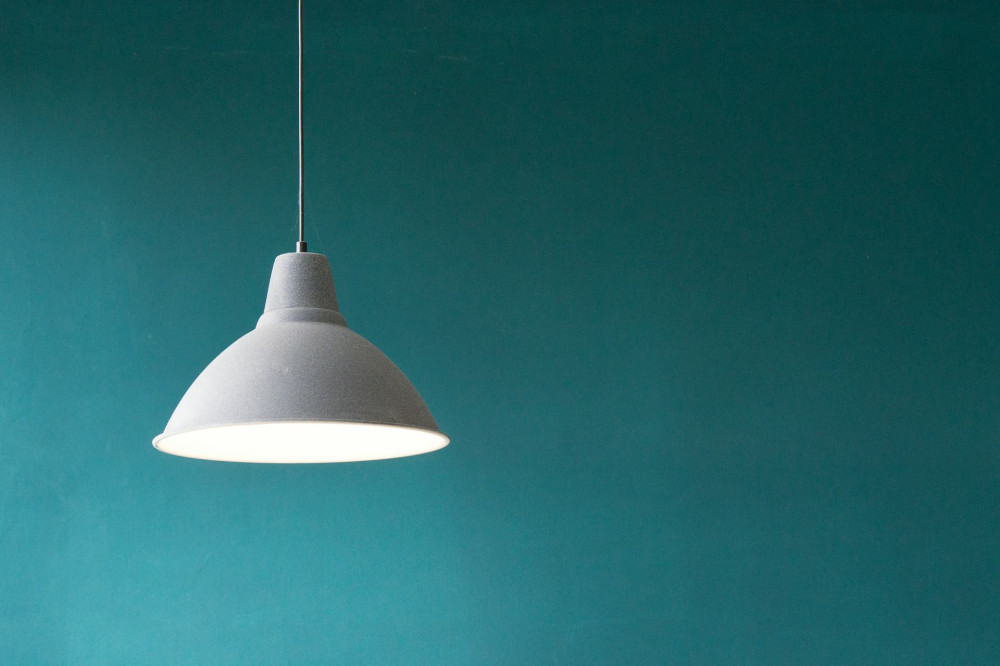
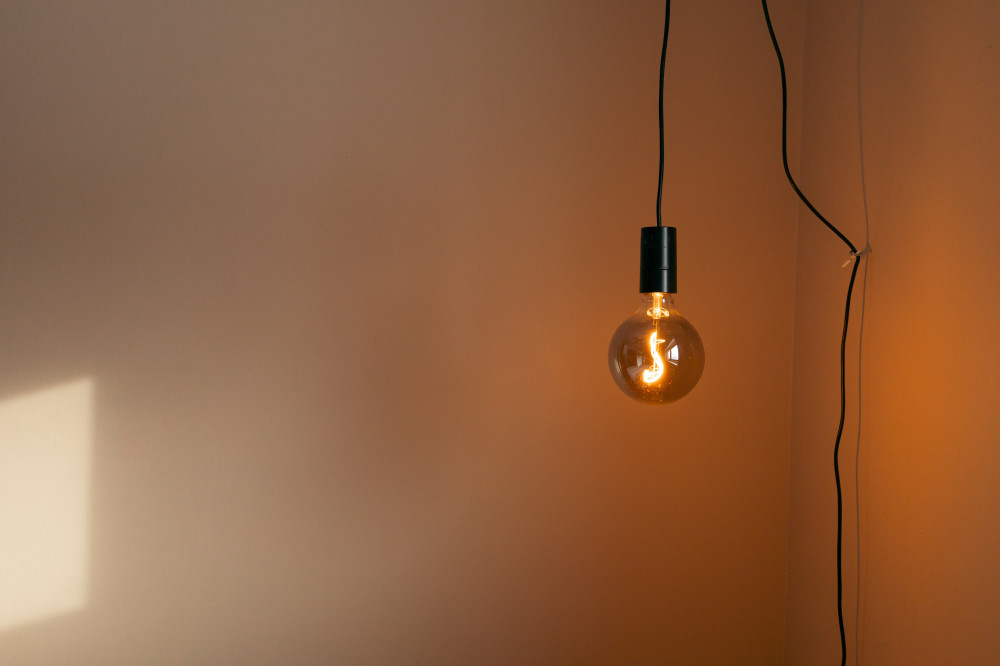
Lighting today is also about design and environmental responsibility. LED technology has made it possible to create fixtures that are both energy-efficient and visually appealing. Many designers now work with recycled materials and modular components, allowing lamps to be repaired or upgraded instead of replaced.
At the same time, there’s growing awareness of how light affects our well-being. The concept of “human-centric lighting” focuses on aligning artificial light with our natural circadian rhythm—cool, bright light during the day and warm, dim light in the evening. It’s a perfect example of how innovation can enhance quality of life.
How to Create the Right Lighting at Home
Creating a well-lit home is about layering different types of light:
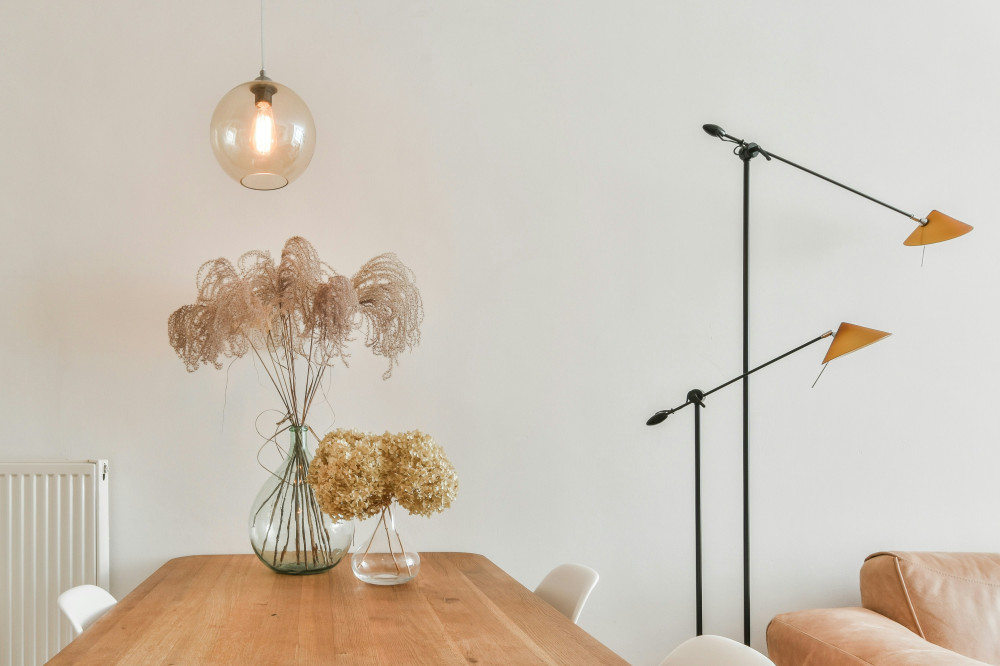
- Ambient lighting – the general illumination that evenly lights up a room, often from ceiling fixtures or recessed lights.
- Task lighting – focused light for specific activities like reading, cooking, or working.
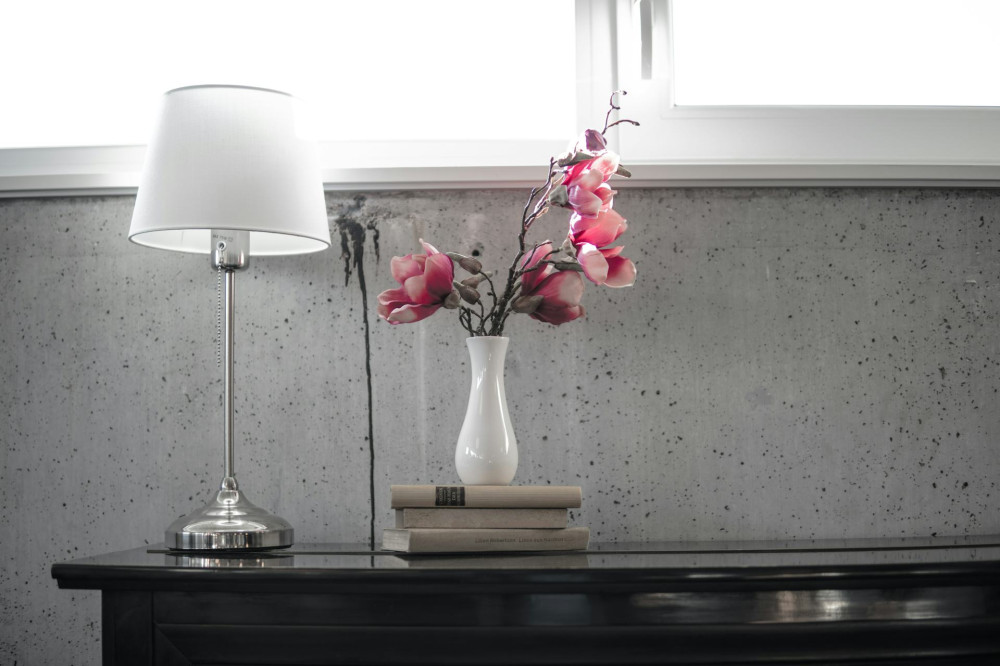
- Accent lighting – decorative light that highlights artwork, plants, or architectural details.
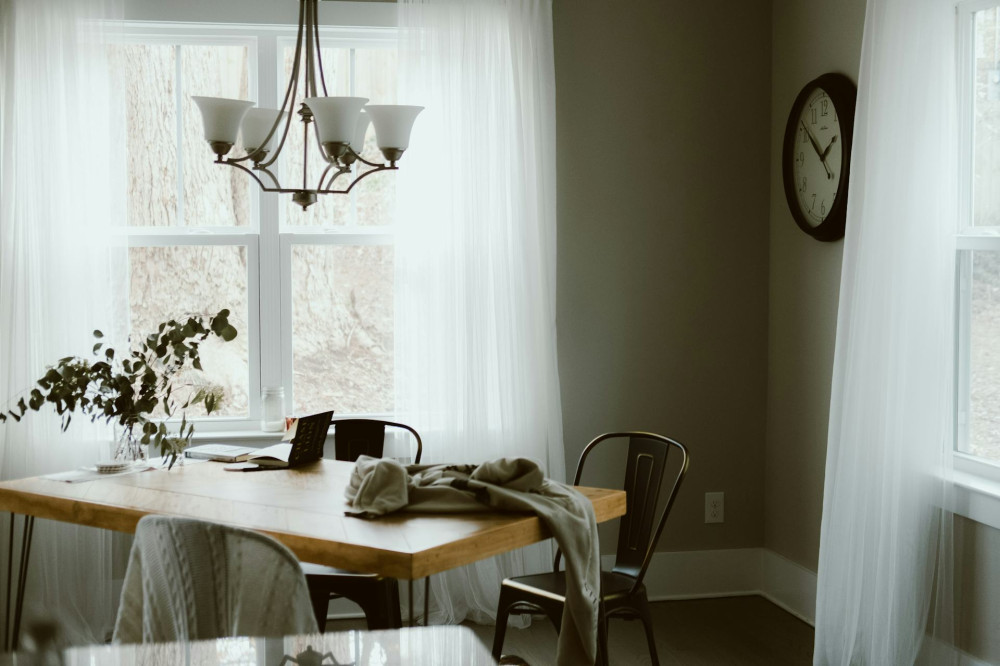
By combining these layers, you can design flexible spaces that are both functional and inviting. Don’t forget to make the most of natural daylight—large windows, light-colored walls, and reflective surfaces can reduce the need for artificial light during the day.
Læs også:

The Future of Light – Smart, Sustainable, and Personal
The future of home lighting is moving toward more personalized solutions. Soon, lights may automatically adapt to our habits, moods, and even health. Sensors could detect where we are in the house and adjust brightness accordingly. At the same time, sustainability and circular design will play an even greater role in how lighting products are made.
No matter how advanced technology becomes, good lighting will always serve the same purpose: to create spaces where we feel comfortable and thrive. When function and innovation go hand in hand, lighting becomes more than a technical detail—it becomes an essential part of the home we live in.
Læs også: