Guests in Your Home – Take Responsibility for Your Pet’s Well-Being

Guests in Your Home – Take Responsibility for Your Pet’s Well-Being
For most pets, home is their safe zone — a place filled with familiar scents, sounds, and routines. But when guests arrive, whether it’s family, friends, or service workers, that sense of security can be disrupted. As a pet owner, it’s your responsibility to make sure your animal feels safe and comfortable, even when the household dynamic changes. Here’s how you can prepare your pet for visitors and create a positive experience for everyone involved.
Understand Your Pet’s Reactions
Every animal reacts differently to guests. Some dogs and cats love the extra attention, while others become anxious, hide, or show signs of stress. Your dog might bark more than usual, or your cat might disappear under the bed and refuse to come out.
The key is to read your pet’s signals. If your pet withdraws, respect that choice. Never force interaction. For many animals, feeling safe means having control over their environment — something they lose when unfamiliar people fill the house.
Læs også:


Create a Safe Space
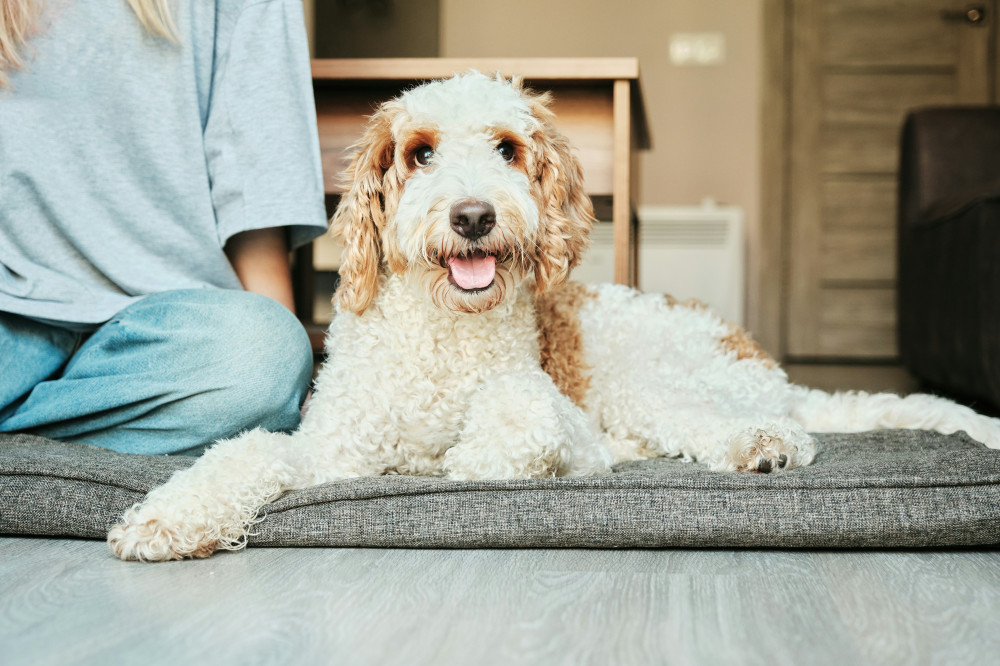
One of the best ways to help your pet cope is to provide a quiet retreat where they can relax away from the commotion. This could be a separate room, a cozy corner with a blanket and toys, or a crate your pet already knows and trusts. Make sure guests understand that this area is off-limits.
- For dogs: Set up a bed or mat in a calm room, and offer a chew toy or treat to keep them occupied.
- For cats: Provide a high perch or a room with hiding spots where they can observe from a distance.
- For small pets: Move cages away from noise and activity, and partially cover them with a light blanket for extra security.
A safe space gives your pet the freedom to choose — and that choice is essential for their sense of comfort.
Prepare Your Guests
Not everyone knows how to behave around animals. Some guests will want to pet your dog immediately, while others may be nervous. Take responsibility for setting expectations before they arrive. Explain how to approach your pet and what to avoid.
- Ask guests to let your pet come to them first.
- Remind them that loud voices and sudden movements can be frightening.
- If children are visiting, teach them how to be gentle and respectful.
By setting boundaries early, you prevent misunderstandings and reduce stress for both your pet and your guests.
Stick to Familiar Routines
Animals thrive on consistency. Try to maintain your pet’s normal schedule, even when you have company. Feed them at the usual times, take walks as planned, and use familiar commands. This helps signal that everything is still okay.
If you know a busy day is coming, give your pet extra exercise beforehand. A tired dog or cat is often calmer and less reactive to changes in the environment.
Manage Stress and Anxiety
Even with preparation, some pets may still feel uneasy. Watch for signs of stress such as pacing, whining, hiding, or loss of appetite. If you notice these behaviors, give your pet space and quiet time.
You can also use calming aids like pheromone diffusers, chew toys, or soft background music. For some animals, simply sitting with their owner in a quiet room until the guests leave can make a big difference.
When Guests Bring Their Own Pets
If your visitors bring their pets along, take extra precautions. Introduce animals gradually and in controlled settings. Let them sniff each other through a gate or door first, and observe their body language closely. Never leave them alone together until you’re sure they’re comfortable with one another.
After the Visit – Allow Time to Unwind
Once the guests have left, your pet may still be on edge. Give them time to settle down and return to their normal routine. Offer praise and treats for calm behavior so they associate the experience with something positive.
If your pet consistently struggles with visitors, consider consulting a veterinarian or a certified animal behaviorist. Sometimes small adjustments in training or environment can make a big difference.
A Responsibility That Builds Trust
Having guests should be enjoyable — not stressful. By taking responsibility for your pet’s well-being, you show respect for their needs and create a home where both animals and people can feel comfortable. It’s not about choosing between your guests and your pet, but about finding the balance that allows everyone under your roof to feel safe and welcome.
Læs også: