Adjust Your Dog’s Exercise to Their Age and Size

Adjust Your Dog’s Exercise to Their Age and Size
Just like people, dogs have different exercise needs depending on their age, size, and temperament. A puppy needs short, playful activities, while an adult dog benefits from more structured exercise to stay healthy and happy. Size also matters—a tiny Yorkie and a large Golden Retriever have very different energy levels and physical abilities. Here’s a guide to help you tailor your dog’s exercise routine so they get the most out of every stage of life.
The Puppy – Play and Short Walks
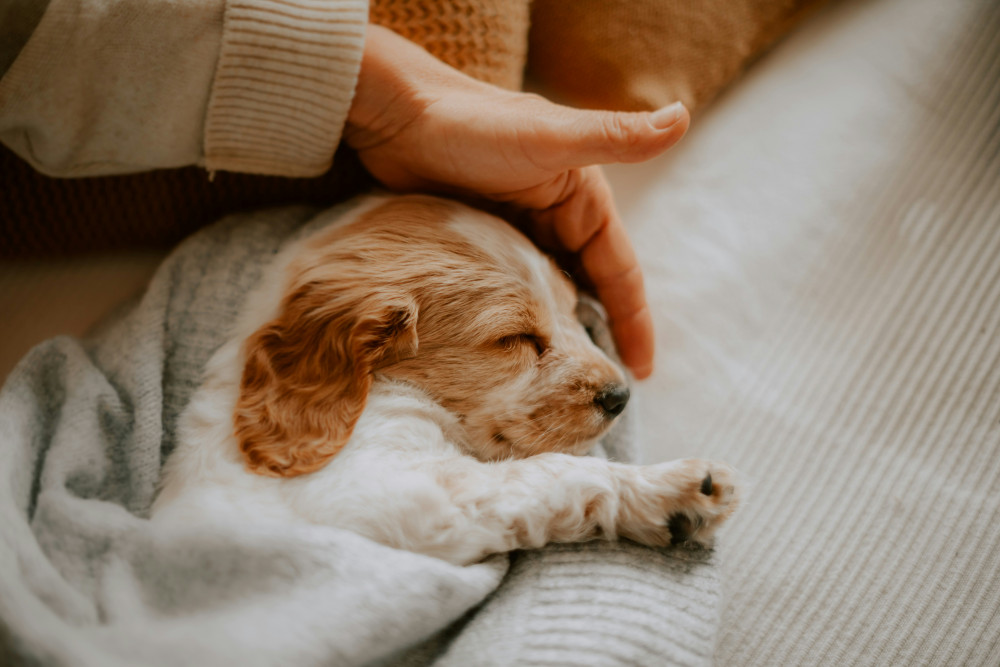
Puppies are full of energy, but their bodies are still developing. Too much exercise can strain their growing joints and bones, so it’s important to find the right balance between activity and rest.
- Short walks: Take several short walks throughout the day instead of one long one. A good rule of thumb is about five minutes of walking per month of age, twice a day.
- Play instead of training: Use playtime as exercise. Toss a soft toy, play gentle fetch, or let your puppy explore new environments at a calm pace.
- Socialization: Meeting other dogs and people is also a form of mental exercise that helps your puppy grow into a confident adult.
Remember, puppies need plenty of sleep—often up to 18–20 hours a day. Overtired puppies can become cranky or develop unwanted behaviors.
The Adult Dog – Regular and Varied Exercise
Once your dog is fully grown, they need consistent, structured exercise to stay fit. The amount and type of activity depend on their breed and size.
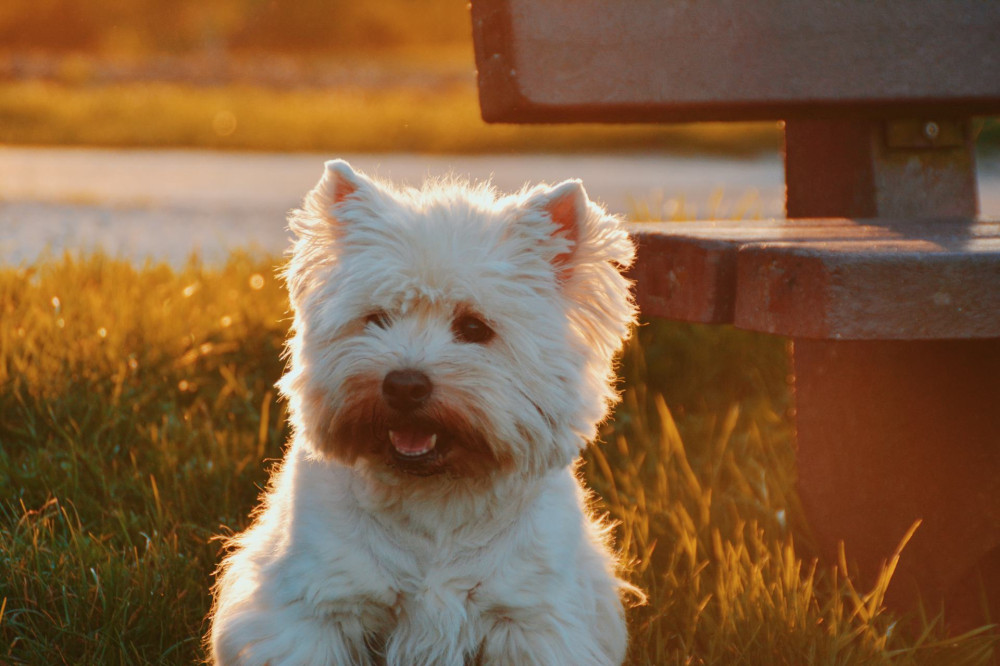
- Small breeds like Chihuahuas and Boston Terriers often have lots of energy but shorter legs, so they tire more quickly. Two or three 20–30 minute walks a day, combined with playtime, is usually enough.
- Medium breeds such as Cocker Spaniels and Border Collies need more challenge. They thrive on both physical and mental stimulation—try agility, obedience training, or scent games.
- Large breeds like Labradors, German Shepherds, and Great Danes benefit from longer walks at a steady pace. Avoid too much running on hard surfaces, which can stress their joints. Choose grassy parks or forest trails when possible.
Variety is key. Mix up walks, play, training, and mental games like hiding treats or teaching new tricks. This keeps your dog both physically and mentally healthy.
The Senior Dog – Gentle Movement and a Slower Pace
As dogs age, their needs change. Muscles and joints become stiffer, and energy levels drop. But regular movement is still essential to maintain mobility and prevent weight gain.
- Shorter, more frequent walks: Break exercise into several short outings instead of one long walk. This reduces strain on the body.
- Soft surfaces: Avoid asphalt and concrete. Grass, dirt paths, or indoor play areas are easier on aging joints and paws.
- Light exercise: Gentle swimming, slow fetch, or simple balance exercises can help keep your senior dog active.
- Watch for signs: If your dog limps, seems stiff, or loses interest in walks, consult your veterinarian. These may be signs of pain or arthritis.
Even older dogs enjoy getting outside to sniff and explore—it keeps their senses sharp and improves their quality of life.
Mental Exercise – Just as Important as Physical
Many dogs get plenty of walks but not enough mental stimulation. Their brains need challenges, too, and you can provide them in fun ways:
- Hide treats around the house or yard and let your dog find them.
- Use puzzle toys that make your dog work for their food.
- Teach new tricks or commands—it strengthens your bond and builds confidence.
Mental exercise often tires dogs out more than physical activity and is perfect for rainy or cold days when outdoor time is limited.
Læs også:
Adjust for the Individual – Not Just the Breed
While breed guidelines can give you a general idea of activity levels, every dog is unique. Some small dogs love long hikes, while some large dogs prefer lounging on the couch. Pay attention to your dog’s signals: Are they alert and happy, or do they seem tired and uninterested?
The most important thing is to find a rhythm that suits both you and your dog. The right balance of exercise keeps your dog healthy, well-behaved, and content—no matter their age or size.
Læs også: