Use the Color Wheel to Find the Perfect Shade to Match Your Sofa


Use the Color Wheel to Find the Perfect Shade to Match Your Sofa
When decorating your living room, color plays a major role in setting the mood. The sofa is often the centerpiece of the space, and the colors you choose around it—on walls, pillows, rugs, and décor—can either create harmony or visual tension. One of the best tools for finding the right balance is the color wheel. Here’s a guide to using it to find the perfect shade to complement your sofa.
What Is the Color Wheel?
The color wheel is a classic design tool that shows how colors relate to one another. It’s made up of primary colors (red, blue, and yellow), secondary colors (green, orange, and purple), and a range of in-between hues. By understanding how these colors interact, you can create a room that feels balanced and inviting.
In short, the color wheel helps you identify which colors match, contrast, or complement each other—depending on the look you want to achieve.
Læs også:



Start with Your Sofa’s Color
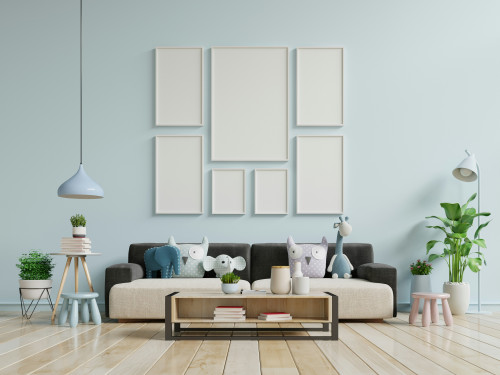
Your sofa’s color is your starting point. If it’s neutral—like gray, beige, or cream—you have plenty of freedom to play with color elsewhere in the room. If it’s a bold shade like navy, forest green, or rust, the color wheel can help you find tones that either highlight or soften its presence.
A good approach is to locate your sofa’s color on the wheel and then look at:
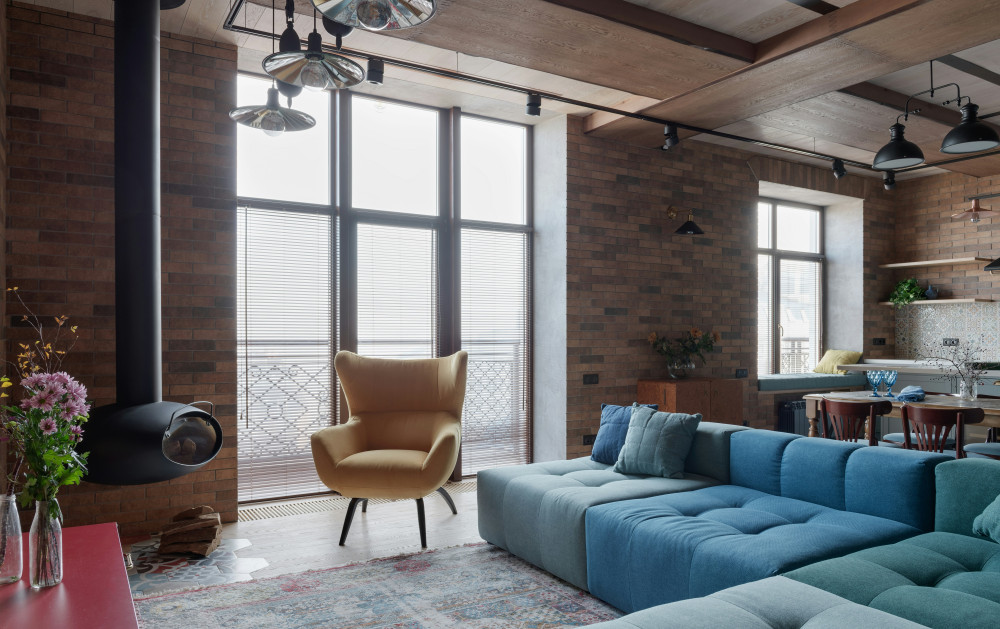
- Complementary colors – the color directly opposite on the wheel. These create contrast and energy. For example, a blue sofa comes alive with orange or copper accents.
- Analogous colors – the colors next to each other on the wheel. These create a calm, cohesive look. A green sofa pairs beautifully with blue-green and yellow-green tones.
- Monochromatic colors – different shades of the same color. This gives a sophisticated, layered effect, such as a charcoal sofa with lighter gray and silver details.
Balance Warm and Cool Tones
Colors influence how a room feels. Warm tones like red, orange, and yellow bring coziness and energy, while cool tones like blue, green, and purple create a calm, airy atmosphere.
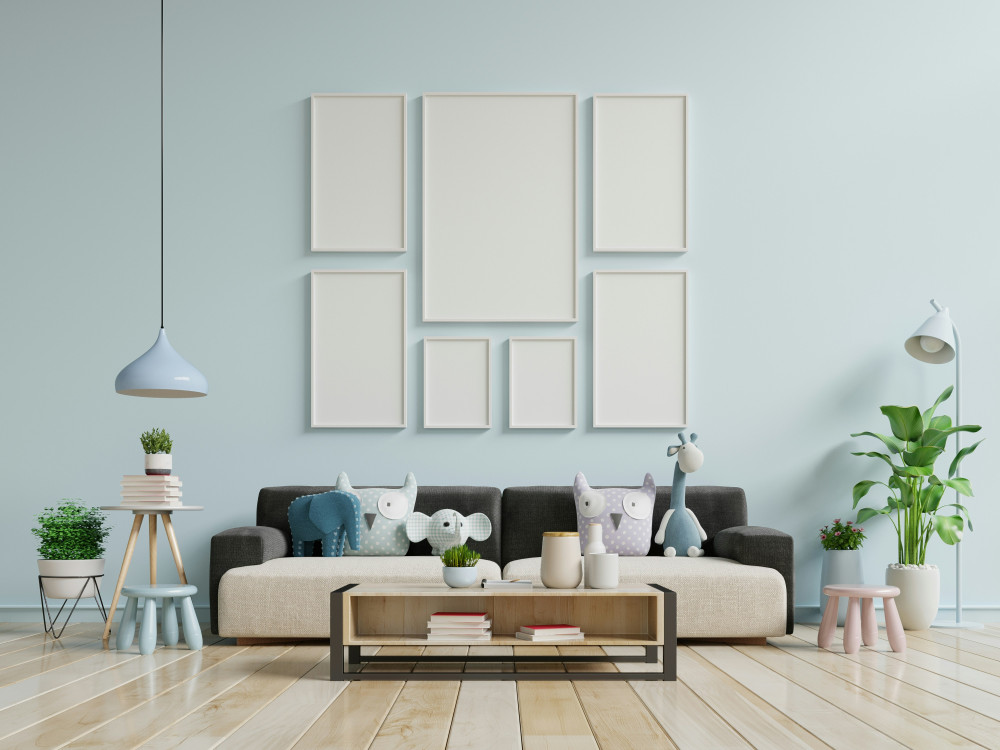
If your sofa is in a warm shade, balance it with cooler tones in the surroundings—and vice versa. A mustard-yellow sofa looks modern against blue-gray walls, while a cool gray sofa feels more inviting with warm terracotta or sand-colored pillows.
Use Neutrals as a Bridge
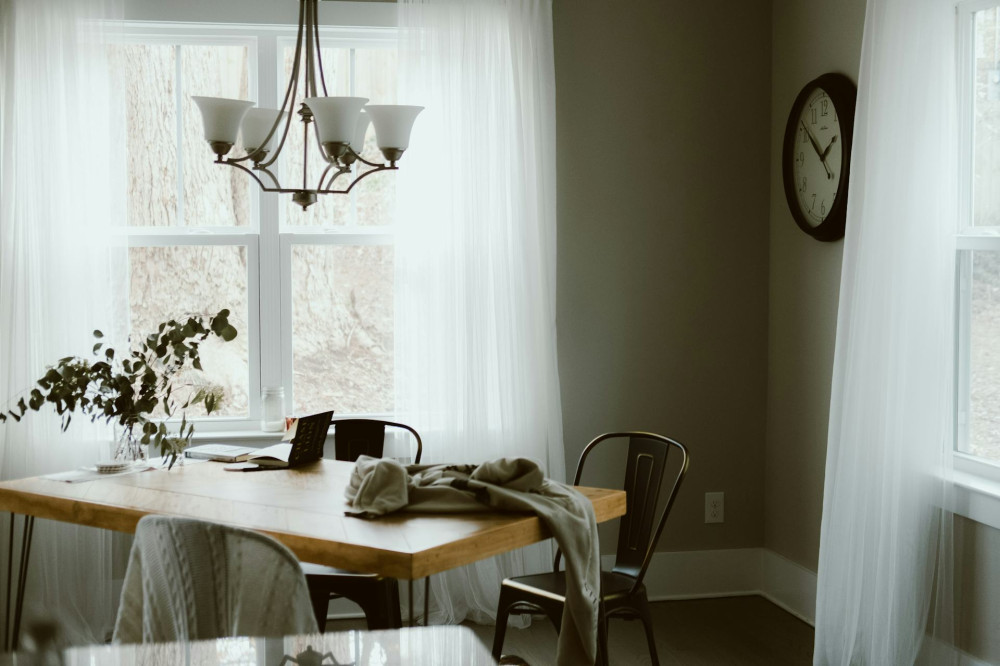
Neutrals such as white, gray, beige, and black act as the glue that ties your color palette together. They give the eye a place to rest and prevent the room from feeling overwhelming.
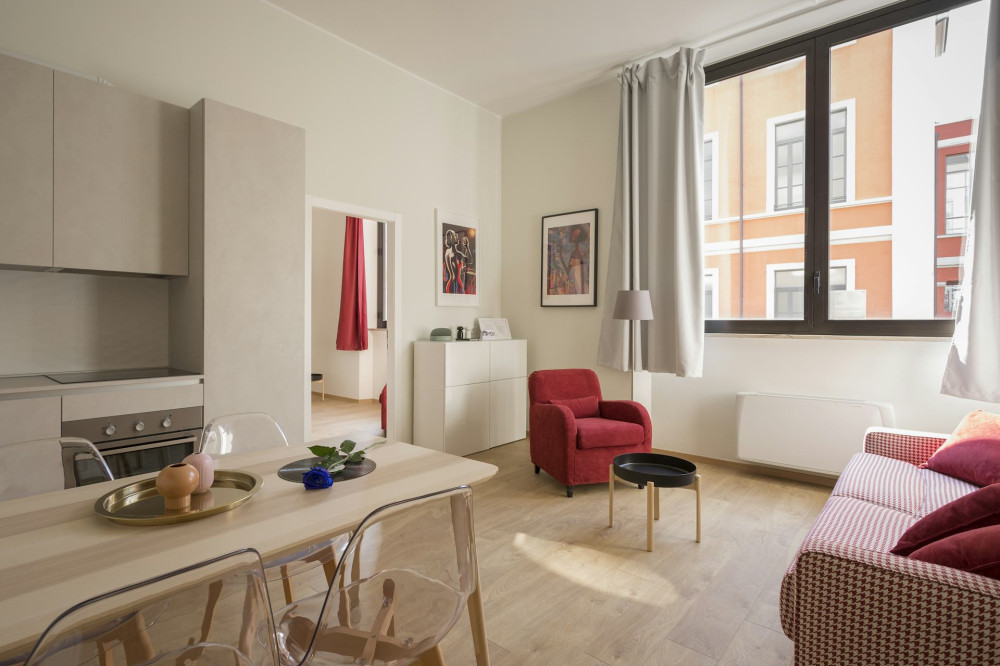
If your sofa is colorful, keep the walls and large surfaces neutral. If your sofa is neutral, use colorful accessories to add personality—think throw pillows, blankets, artwork, or plants.
Test Colors in Real Life
Colors often look different in person than they do on a screen or paint swatch. Lighting, materials, and room size all affect how a color appears.
Always test your colors before committing. Try fabric samples, paint a small section of the wall, or place colorful pillows on the sofa to see how they look in both daylight and evening light.
A helpful trick is to take photos of the room at different times of day—this gives you a more realistic sense of how the colors work together.
Make the Color Wheel Your Friend
Using the color wheel isn’t about following strict rules—it’s about understanding possibilities. Once you grasp the basics, you can play with contrast, create calm, or add personality, depending on what you want your living room to express.
Whether you’re aiming for a classic, minimalist look or a bold, artistic vibe, the color wheel can help you find the perfect balance around your sofa.
Læs også: