Subsidies That Make It Easier to Choose Sustainably

Subsidies That Make It Easier to Choose Sustainably
Living more sustainably isn’t just about good intentions—it’s also about affordability. Many Americans want to save energy, reduce carbon emissions, and make greener choices at home, but the upfront costs can be a barrier. Fortunately, there are a number of federal, state, and local programs that make it easier to take that step toward a more sustainable lifestyle. Here’s an overview of some of the most important options—and how to make the most of them.
Energy Efficiency: Save Money While Saving Energy
One of the most effective ways to make your home more sustainable is through energy upgrades. That can mean anything from adding insulation and replacing windows to installing solar panels or a heat pump. Several programs can help offset the cost:
- Federal Tax Credits for Energy Efficiency – Under the Inflation Reduction Act, homeowners can receive tax credits for improvements such as new insulation, energy-efficient windows, doors, and HVAC systems. The credits can cover up to 30% of eligible costs, depending on the project.
- Home Energy Rebates – Many states are rolling out rebate programs funded by the Department of Energy to help households upgrade to more efficient appliances and systems. These rebates are especially generous for low- and moderate-income families.
- Utility Company Incentives – Local utilities often offer their own rebates for energy-efficient appliances, smart thermostats, or home energy audits. Check your provider’s website for current offers.
Planning ahead and consulting an energy advisor can help you choose the upgrades that best fit your home and yield the greatest long-term savings.
Læs også:




Greener Transportation: Driving Toward a Cleaner Future
Transportation accounts for a large share of U.S. carbon emissions, but switching to an electric vehicle (EV) or other low-emission option is becoming more affordable thanks to a range of incentives:
- Federal EV Tax Credit – Buyers of qualifying new electric vehicles can receive up to $7,500 in federal tax credits, while some used EVs qualify for up to $4,000. Eligibility depends on income, vehicle price, and where the car is assembled.
- State and Local Incentives – Many states, including California, Colorado, and New York, offer additional rebates or tax credits for EV purchases and leases. Some utilities also provide discounts on home charging equipment.
- Charging Infrastructure Support – The federal government and several states are investing in expanding the EV charging network. Homeowners may qualify for tax credits to install a home charger, especially if it’s energy-efficient or uses renewable power.
While EVs can still cost more upfront, lower fuel and maintenance expenses—combined with these incentives—can make them a smart financial and environmental choice.
Renewable Energy and Everyday Sustainability
Beyond major investments, there are smaller steps you can take to make your daily life more sustainable—and get financial help doing it:
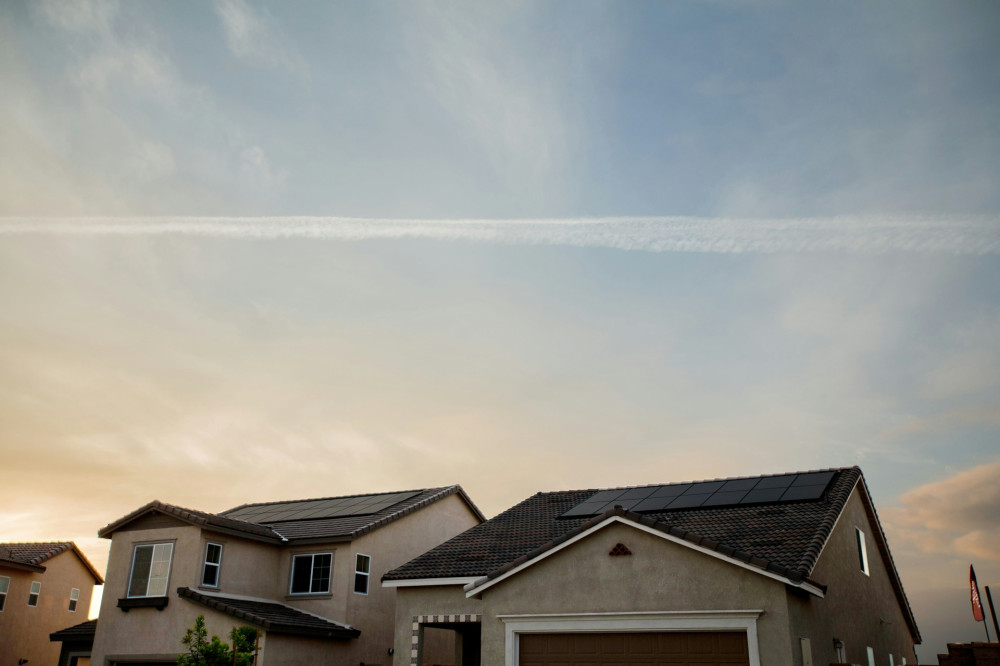
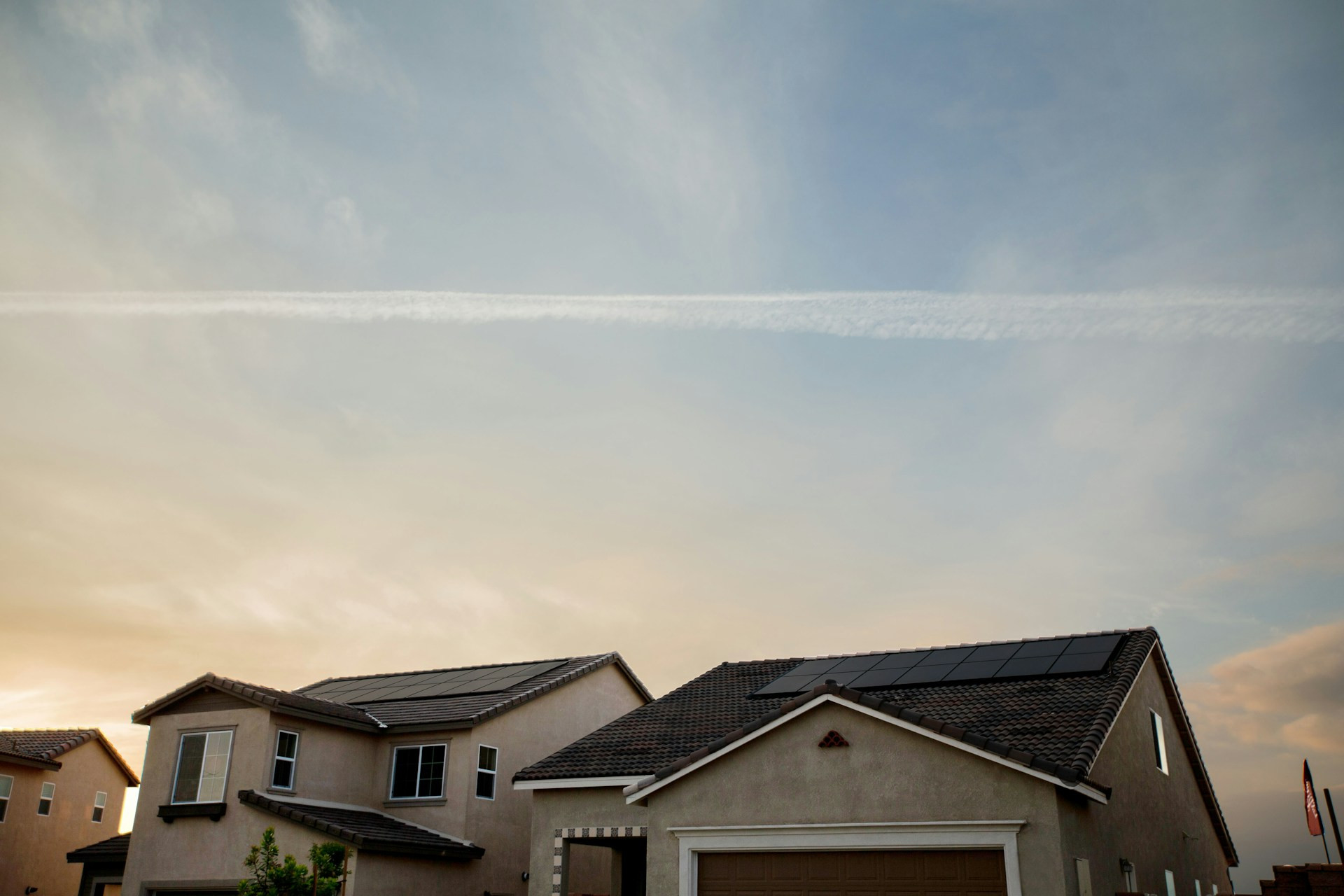
- Solar Energy Incentives – The federal solar tax credit allows homeowners to deduct 30% of the cost of installing solar panels and battery storage systems. Many states and municipalities offer additional rebates or property tax exemptions.
- Community Solar Programs – If you can’t install panels on your own roof, community solar projects let you subscribe to a shared solar farm and receive credits on your electricity bill.
- Energy Assistance for Businesses and Nonprofits – Small businesses, farms, and community organizations can apply for grants and loans through programs like the USDA’s Rural Energy for America Program (REAP) to fund renewable energy and efficiency improvements.
It’s worth checking your state’s energy office or the Department of Energy’s website for current programs—funding levels and eligibility can change frequently.
How to Apply—and Avoid Common Pitfalls
Navigating subsidies and rebates can seem complicated, but a little preparation can save you time and money. Here are some tips:
- Apply before starting your project. Many programs require approval before work begins.
- Keep thorough records. Save quotes, invoices, and photos to document your project.
- Consult professionals. Certified contractors and energy advisors can help identify the best incentives and ensure your application meets all requirements.
- Understand tax implications. Some credits reduce your tax liability rather than providing direct cash payments, so check how they apply to your situation.
Combining multiple upgrades—like insulation, a heat pump, and solar panels—can maximize both your savings and your home’s value.
An Investment in the Future
Subsidies and incentives don’t just make sustainable choices more affordable—they make them achievable. Every time you improve your home’s efficiency or switch to cleaner energy, you’re contributing to lower emissions, reduced energy costs, and a healthier environment.
These programs are part of a broader movement toward a more sustainable America. Choosing the green option isn’t just about saving money today—it’s about investing in a future where sustainability is the standard, not the exception.
Læs også: