Place Your Washing Machine Optimally in Your Home

Place Your Washing Machine Optimally in Your Home
A washing machine is an essential part of most American homes, but where you place it can make a big difference. The right location can reduce noise, prevent moisture problems, and make laundry day more efficient. The wrong one can lead to vibration, leaks, and unnecessary wear. Here’s a guide to help you find the best spot for your washing machine.
Consider the Room’s Function and Layout
Start by choosing the right room. In many U.S. homes, the laundry area is in the basement, garage, or a dedicated laundry room, but in apartments or smaller houses, it might be in a bathroom, kitchen, or closet. Each option has its pros and cons:
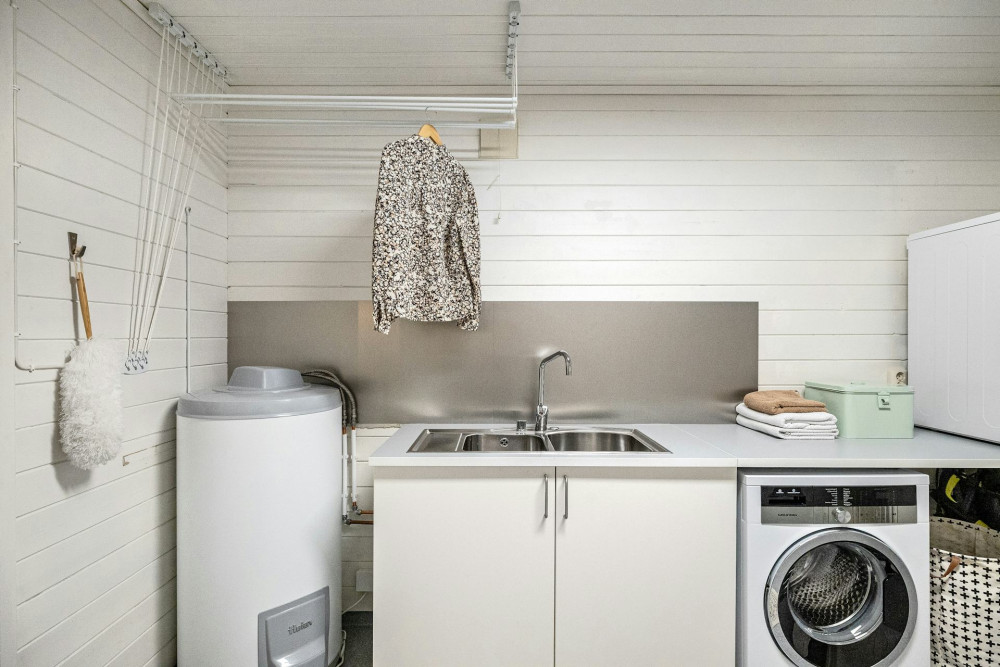
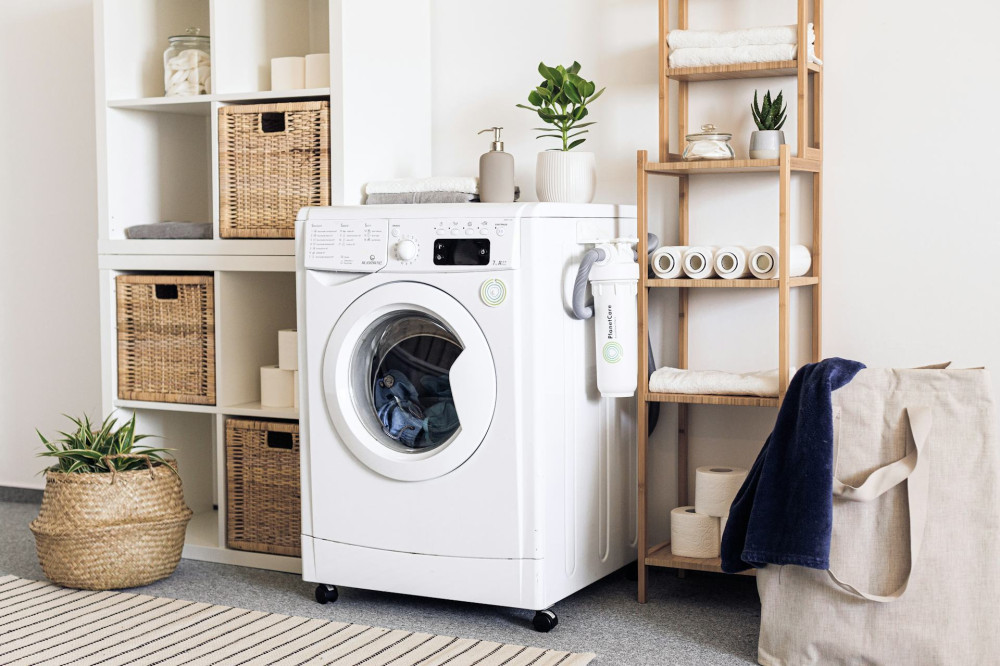
- Laundry room – ideal if you have one. It’s designed for water hookups, drainage, and ventilation, and often has space for both washer and dryer.
- Basement – common in older homes. It’s out of the way, but make sure the area is dry and well-lit, and that the floor can handle the machine’s weight.
- Garage – convenient in warmer climates, but you’ll need to protect the machine from temperature extremes and ensure proper plumbing.
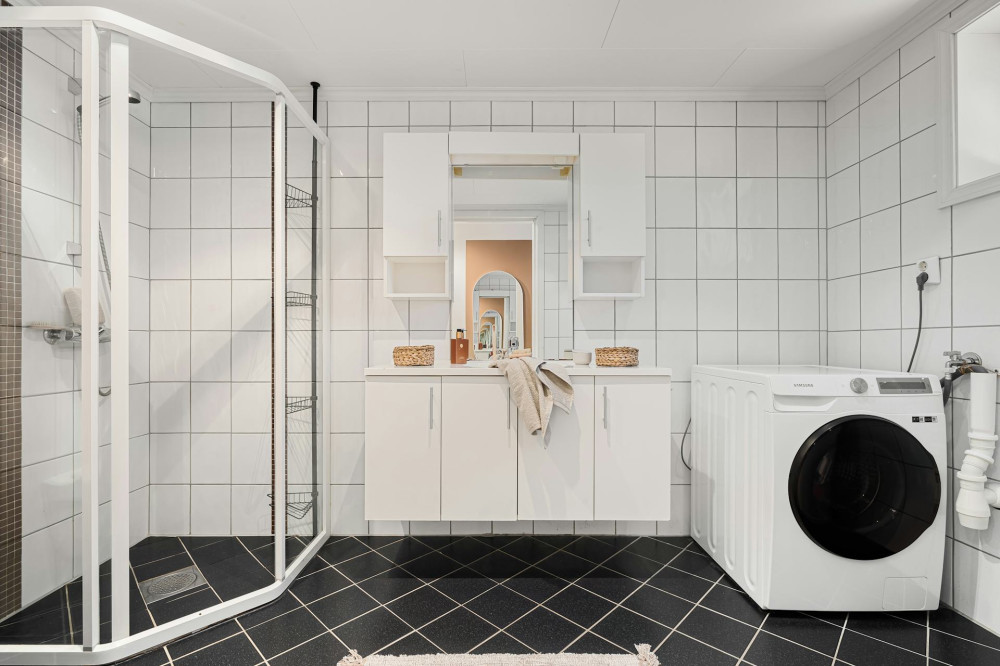
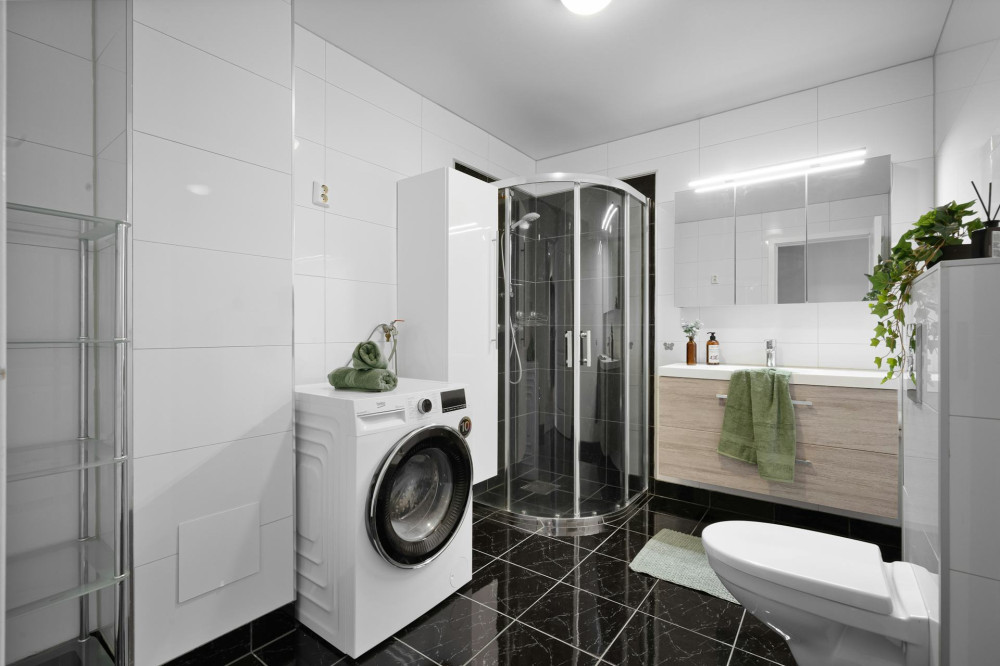
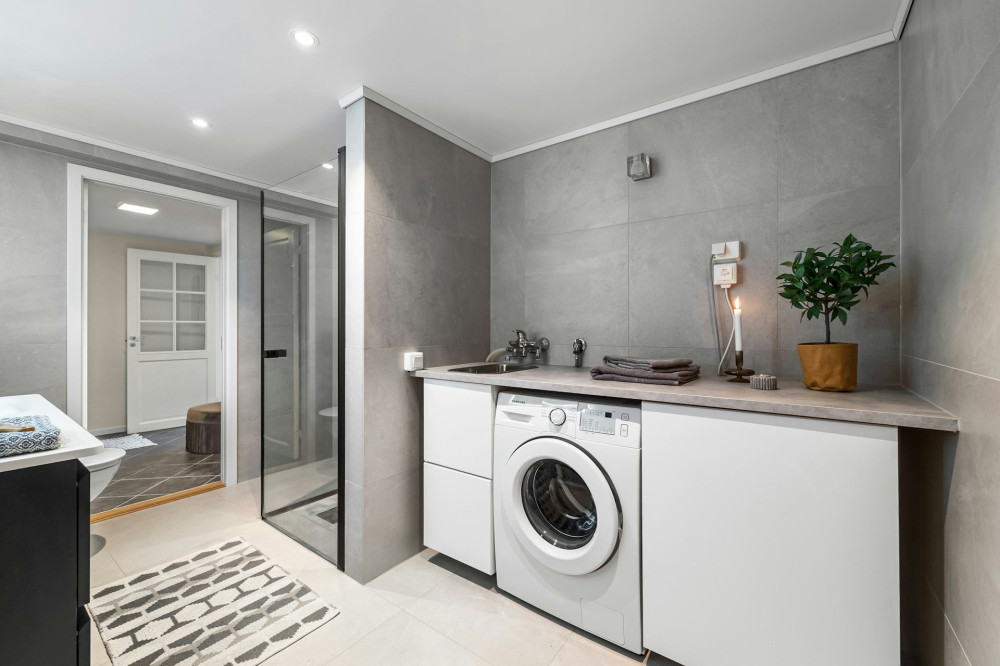
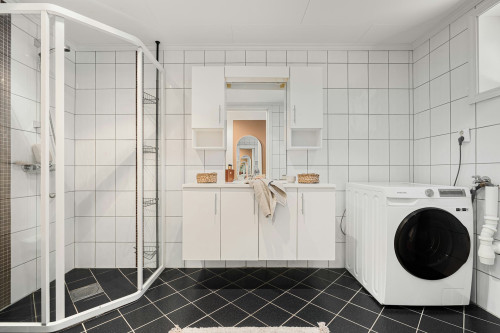
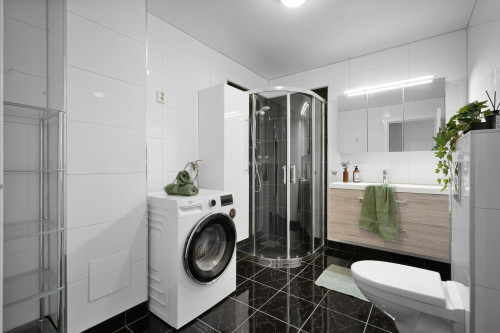
- Bathroom or kitchen – practical in small spaces, but pay attention to moisture and electrical safety. Keep the machine away from direct water sources and ensure proper drainage.
No matter the room, make sure there’s easy access to water supply, a drain, and a grounded electrical outlet. The floor should be strong enough to support the machine’s weight, especially during spin cycles.
Ensure a Stable Foundation
A stable base is key to a quiet and long-lasting washing machine. The machine should sit on a solid, level surface—concrete or tile is best. Avoid soft or uneven flooring, such as old wood or carpet, which can amplify vibration.
Use a level to check that the washer is perfectly balanced, and adjust the feet if needed. You can also place anti-vibration pads under the machine to reduce noise and movement.
Manage Noise and Vibration
Even modern washers can be noisy, especially during high-speed spins. If you live in an apartment or have bedrooms nearby, consider these tips:
- Place the washer away from living and sleeping areas.
- Use rubber pads or vibration mats to absorb movement.
- Leave a small gap between the washer and the wall to prevent rattling.
- Choose a front-loading model, which tends to be more stable and energy-efficient than top-loaders.
If noise is still an issue, you can add soundproofing panels or insulation around the laundry area.
Control Moisture and Ventilation
Washing machines create humidity, which can lead to mold or mildew if not managed properly. Good ventilation is essential, especially in enclosed spaces.
- Make sure the room has a vent fan, window, or air vent.
- Leave the washer door open after each load to let the drum dry.
- If the washer is in a closet, install vented doors or air grilles to allow airflow.
Keeping the area dry will protect both your machine and your home.
Plan for Convenience and Workflow
Think about how you’ll use the space day to day. A well-organized laundry area makes chores faster and less stressful.
- Keep detergents and supplies within easy reach.
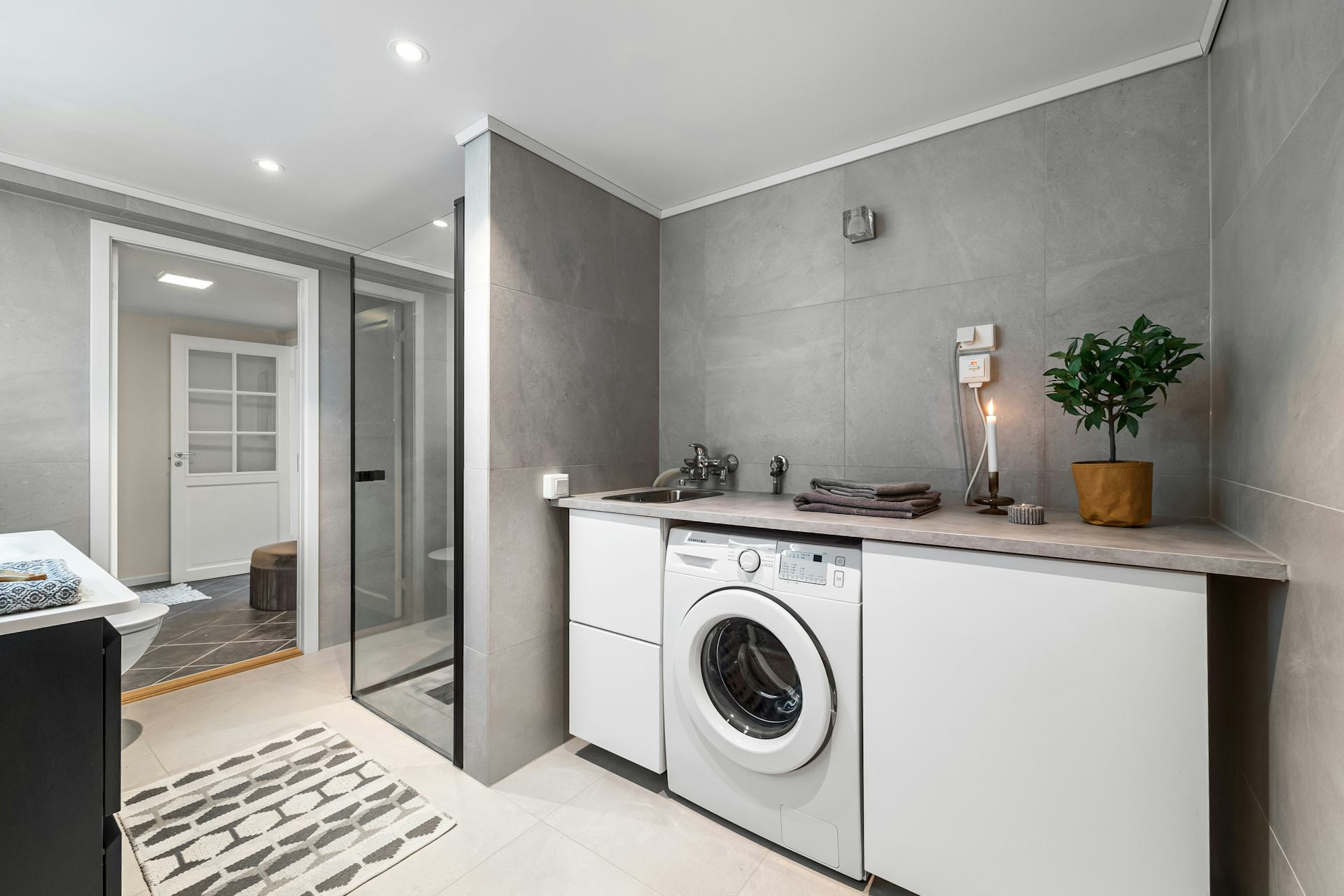
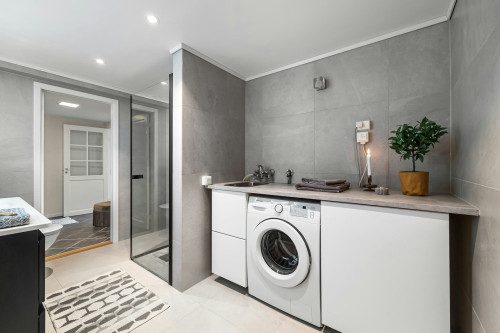
- Provide counter space for sorting and folding clothes.
- If you have both a washer and dryer, consider stacking them with a proper stacking kit to save floor space.
- Add shelves or cabinets for storage and a laundry basket station for sorting.
A thoughtful layout can turn laundry from a chore into a smooth routine.
Get Professional Installation
While it’s possible to install a washing machine yourself, hiring a licensed plumber or appliance installer is often worth it. They can ensure proper water connections, drainage, and electrical safety—especially important if your washer is near a bathroom or kitchen sink.
A professional installation helps prevent leaks, electrical issues, and warranty problems down the road.
Læs også:

Think Ahead
When planning your washer’s location, consider future needs. You might upgrade to a larger machine, add a dryer, or switch to a combined washer-dryer unit later. Make sure there’s enough space and proper hookups for future changes.
Also, think about energy efficiency. Placing the washer close to your water heater and drain can reduce water and energy use. If you’re remodeling, consider adding a floor drain and water shutoff valve for extra safety.
A Well-Placed Washer Makes Life Easier
When your washing machine is placed thoughtfully, it blends seamlessly into your home. You’ll enjoy less noise, fewer maintenance issues, and a more efficient laundry routine. With a bit of planning and the right setup, your washer will work quietly and reliably—making everyday life just a little smoother.
Læs også: