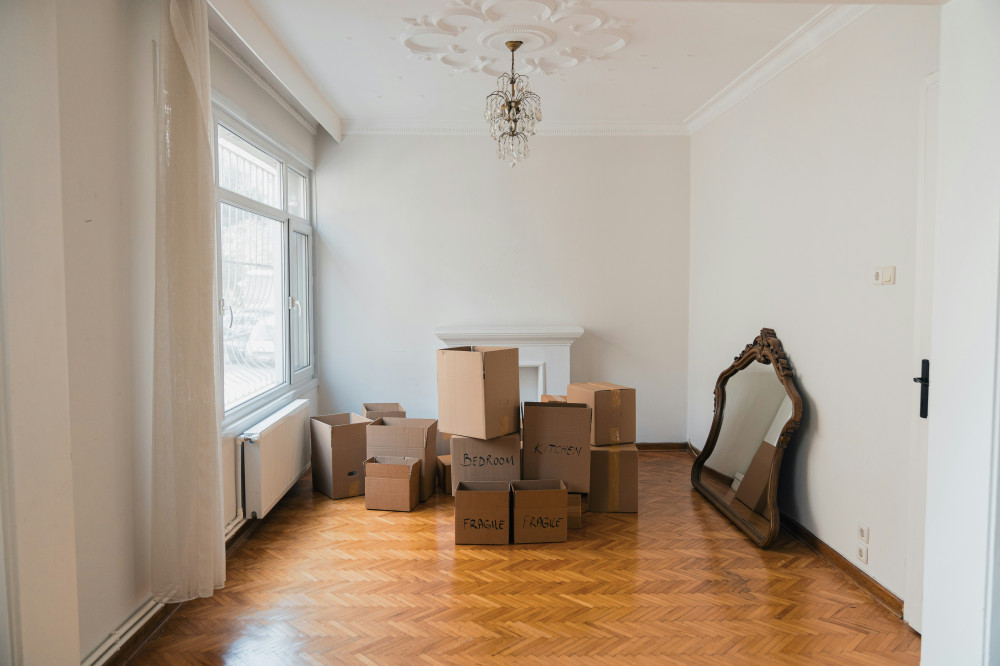
Moving with a Baby – Practical Tips for a Safe and Smooth Move


Moving with a Baby – Practical Tips for a Safe and Smooth Move
Moving is rarely a stress-free experience—and when you add a baby into the mix, it can feel like a major logistical challenge. But with good planning, realistic expectations, and a focus on safety and comfort, your move can be both manageable and positive. Here are some practical tips to help make the transition smoother for you and your little one.
Plan Ahead—and at a Pace That Fits Your Family
When you have a baby, packing up your entire home in a weekend is rarely realistic. Start early—ideally several weeks before moving day. Create a plan for which rooms to pack first, beginning with the items you use least often.
Make a checklist of everything that needs to be done: updating your address with the USPS, arranging movers, transferring utilities, and finding a new pediatrician or daycare if needed. Having a clear overview helps reduce last-minute stress and ensures nothing important slips through the cracks.
If possible, schedule your move around your baby’s routine—perhaps during a period when sleep patterns are relatively stable and there aren’t major developmental changes happening.
Læs også:




Pack Smart—and Keep Baby Essentials Separate
When moving with a baby, easy access to the essentials is key. Pack a dedicated “baby bag” for moving day with everything you’ll need for the first couple of days in your new home:
- Diapers, wipes, and extra clothes
- Bottles, formula, or breast pump
- Favorite blanket, pacifier, and comfort toy
- Baby food or snacks if your child has started solids
- A portable changing pad and a few small toys
This way, you won’t have to dig through boxes when you need a clean onesie or a bottle in the middle of unpacking chaos.
Create Familiarity and Calm for Your Baby
A move brings lots of new sights, sounds, and smells—which can be overwhelming for a baby. Try to create a sense of familiarity right away in your new home.
Set up your baby’s crib first, using the same bedding and stuffed animals as before. Stick to your usual bedtime routine as much as possible, even if everything else feels new. Familiar routines help your baby feel secure and adjust more easily.
If you can, have a trusted friend or family member watch your baby on moving day. It allows you to focus on the logistics while keeping your little one away from noise, dust, and commotion.
Prioritize Safety in Your New Home
Once the boxes are unpacked and the furniture is roughly in place, take time to babyproof your new space. Get down to your baby’s level and look for potential hazards:
- Cover electrical outlets
- Secure bookshelves and dressers to the wall
- Keep small objects out of reach
- Install safety gates for stairs and doorways
- Check that windows and doors lock securely
It’s easier to make your home safe before your baby starts crawling and exploring than to fix things later.
Give Yourself Grace and Take It Slow
Moving with a baby takes patience—and it’s perfectly normal if everything doesn’t fall into place right away. Accept that there will be some clutter and that the most important thing is your family’s well-being.
Take breaks, eat properly, and rest when you can. Don’t hesitate to ask for help from friends or relatives—whether it’s watching the baby for a few hours or helping unpack the kitchen.
Remember, babies pick up on their parents’ emotions. If you stay calm and move at a pace that works for your family, your baby will feel more secure too.
A Fresh Start for the Whole Family
A move marks the beginning of a new chapter. While it can be demanding, it’s also an opportunity to create a home and routines that fit your life as a family. With thoughtful planning, flexibility, and a focus on comfort and safety, your move can become a positive experience for both you and your baby.
Læs også: