Light as Support for Plant Regrowth

Light as Support for Plant Regrowth
When plants need to recover from pruning, disease, or repotting, light plays a crucial role. It’s not just water and nutrients that determine how quickly a plant regains its strength—the amount, type, and direction of light greatly influence how new shoots and leaves develop. In this article, we’ll explore how you can use light as an active tool to support plant regrowth in your home.
Why Light Matters So Much
Light is a plant’s primary source of energy. Through photosynthesis, plants convert light into chemical energy, which they use to form new cells and tissues. When a plant experiences stress—such as transplanting, trimming, or drought—it needs extra energy to produce new roots and leaves. Without sufficient light, this process slows down, and the plant may become weak or stunted.
But it’s not only about the amount of light. The quality—meaning the color composition of the light—also matters. Blue light encourages leaf and stem growth, while red light promotes flowering and root development. A balanced combination of both is ideal when helping a plant regain its vitality.
Natural Light – The Best Starting Point
Most houseplants thrive in natural daylight. After a stressful period, however, it may be necessary to adjust their placement so they receive the right amount of light without being overexposed.
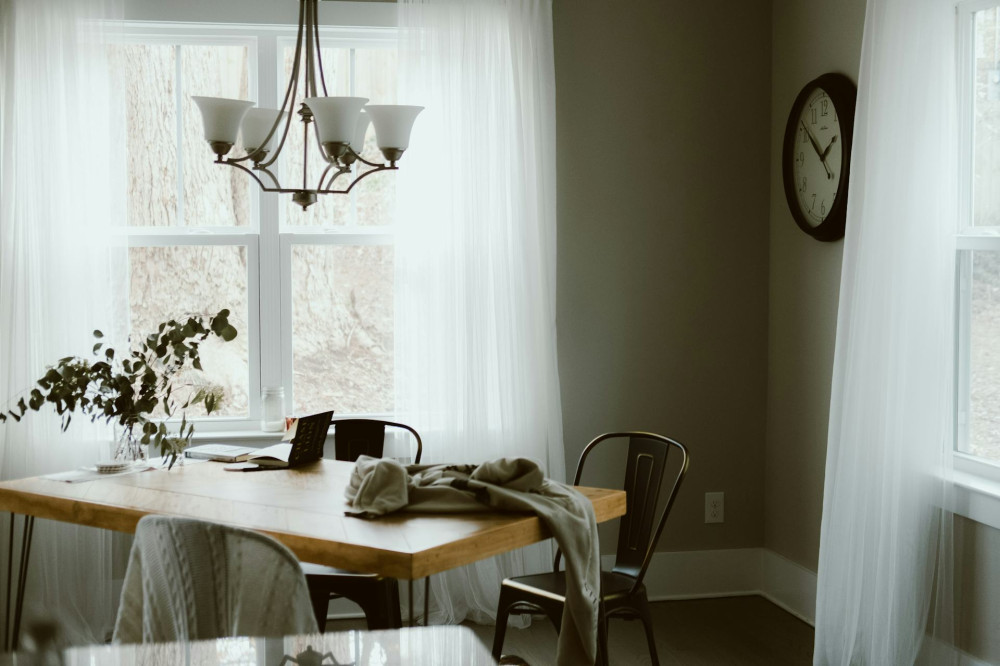
- South-facing windows provide the most light but can be too intense for delicate plants. A sheer curtain can help diffuse the brightness.
- East- and west-facing windows offer gentler light, which is ideal during recovery periods.
- North-facing windows tend to be dimmer, especially in winter—this is when supplemental lighting can make a big difference.
It’s a good idea to rotate your plant a little each week so all sides receive light. This encourages even growth and prevents the plant from leaning or stretching toward the window.
Artificial Light as a Supplement
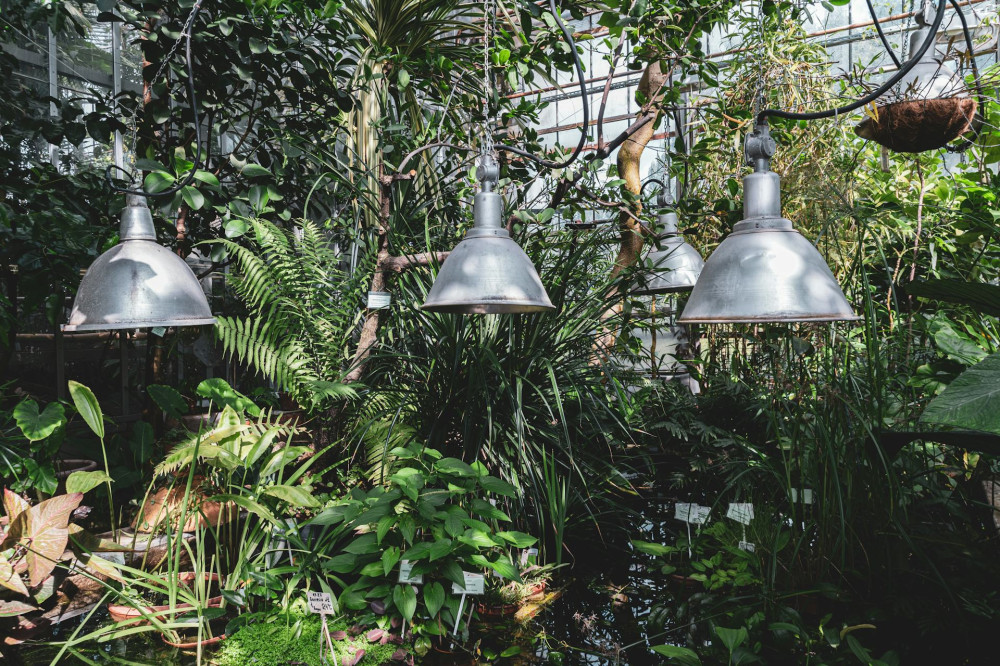
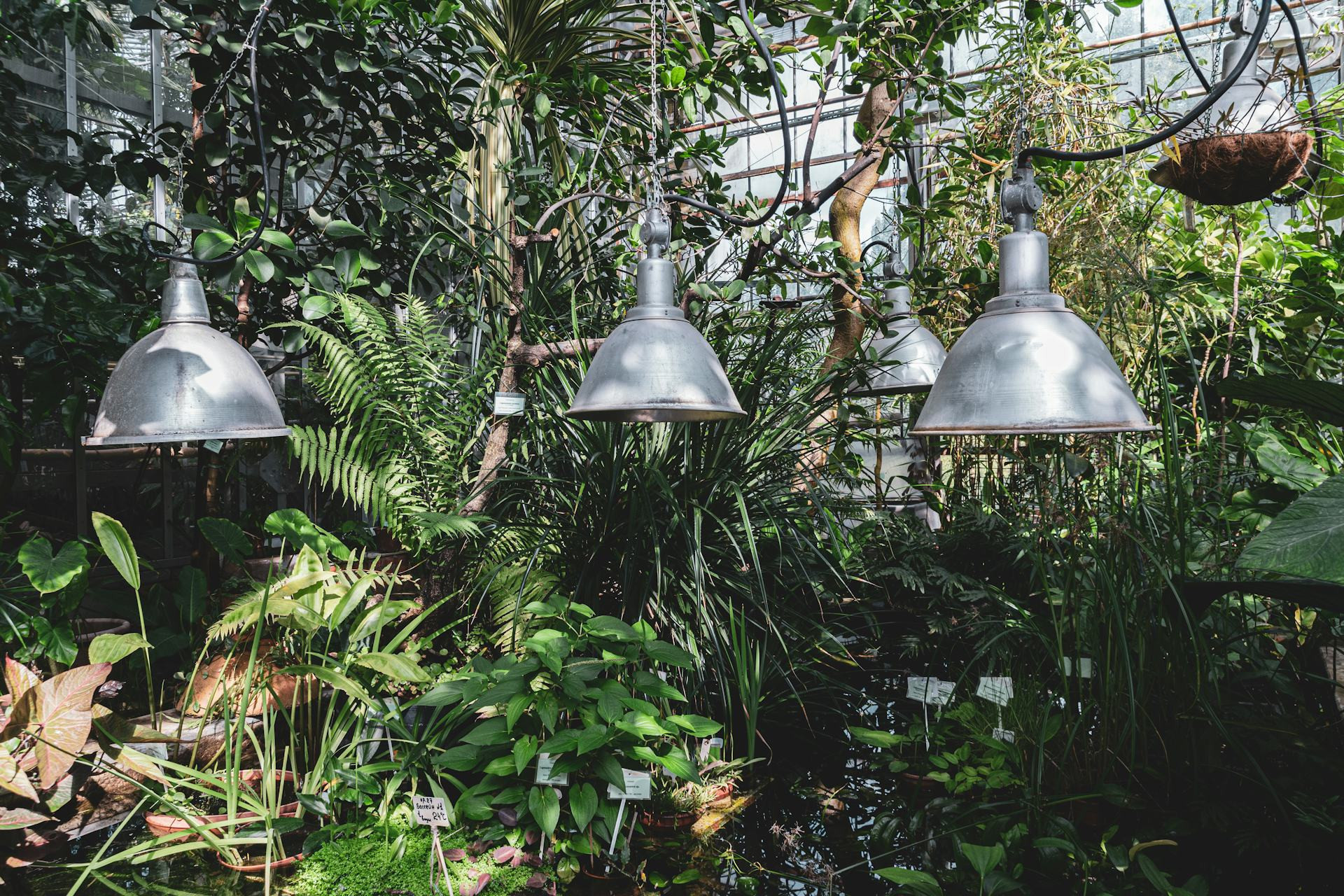
When daylight isn’t enough, grow lights can be an effective support. Modern LED grow lights are energy-efficient and can be tailored to a plant’s specific needs. They come in different color spectrums, and many models can mimic the natural rhythm of the sun.
- Blue light (400–500 nm) stimulates leaf and stem growth.
- Red light (600–700 nm) supports flowering and root formation.
- Full-spectrum light combines both and is suitable for general regrowth.
Position the light about 8–16 inches above the plant and keep it on for 10–12 hours a day. Too much light can be just as harmful as too little—signs of overexposure include pale leaves or dry tips.
Light Cycles and Rest
Although light is essential, plants also need darkness. Many growth processes occur during the dark period. A consistent rhythm of light and dark helps maintain a plant’s natural balance. Using a timer to turn lights on and off automatically can create a stable daily cycle that supports healthy regrowth.
Læs også:

Adjusting to Plant Type
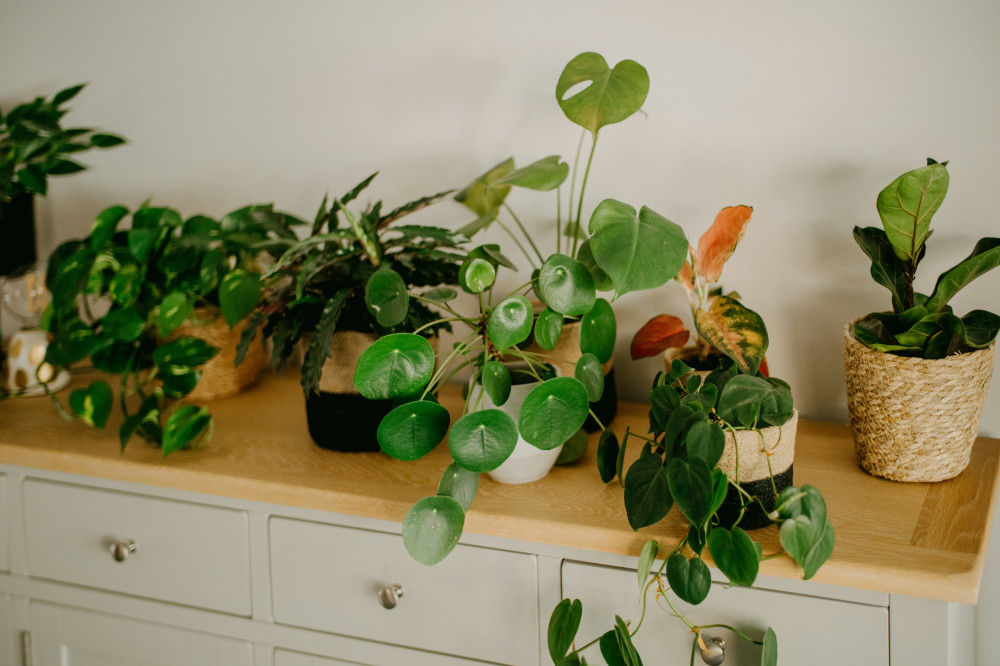
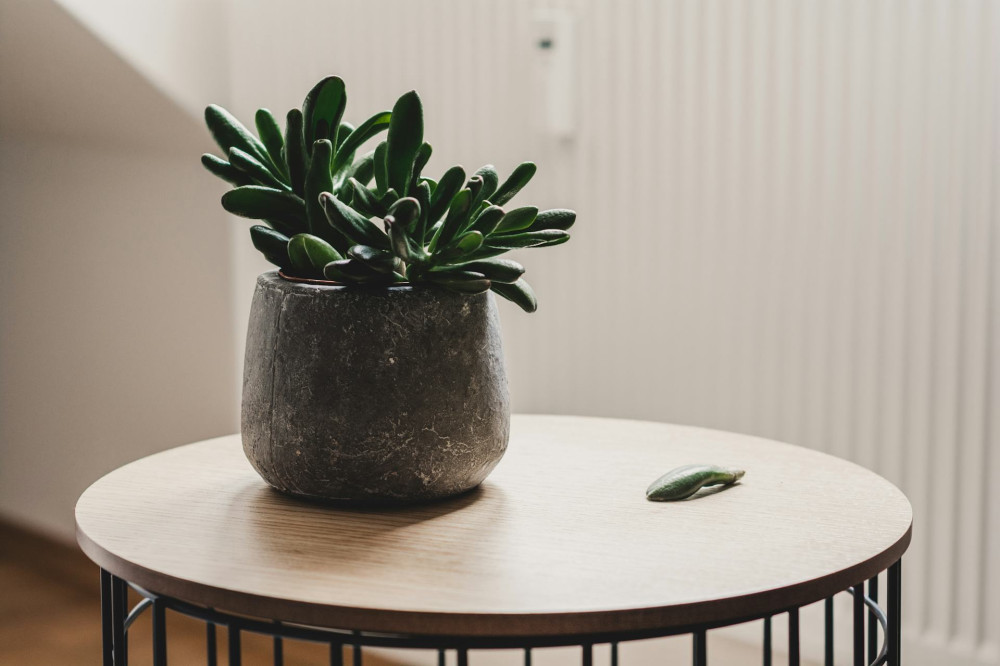
Not all plants have the same light requirements. Tropical species like monstera and calathea prefer diffused light, while succulents and cacti need direct sunlight. When supporting regrowth, it’s important to understand where your plant originates. A forest-floor plant has very different light needs than one adapted to desert conditions.
A helpful tip is to observe leaf color: dark green leaves usually indicate adaptation to low light, while light green or grayish leaves often signal a need for more sun.
Light as Part of the Whole
Light alone can’t revive a struggling plant, but it’s a central part of the recovery process. Combine proper lighting with correct watering, suitable temperature, and balanced nutrition to give your plant the best chance to produce new shoots and roots. Patience is also key—regrowth takes time, but with the right lighting, you can guide your plant back to health and vitality.
Læs også: