Energy management that makes your home more flexible

Energy management that makes your home more flexible
A modern home isn’t just about comfort and design anymore – it’s also about how you use energy. With rising electricity costs, growing interest in renewable power, and new smart technologies, energy management has become a key topic for many American households. But what does it really mean to have a flexible home, and how can you start managing your energy more intelligently?
What does flexible energy management mean?
Flexible energy management is about adjusting your energy use based on when electricity is cheapest and cleanest. Instead of running appliances at fixed times – like starting the dishwasher right after dinner when everyone else does – you can let technology decide when it’s most efficient to use power.
This approach not only helps lower your electric bill but also makes better use of renewable energy. When the sun is shining or the wind is blowing, your home can automatically use more electricity. When production drops, your system can scale back.
Læs også:
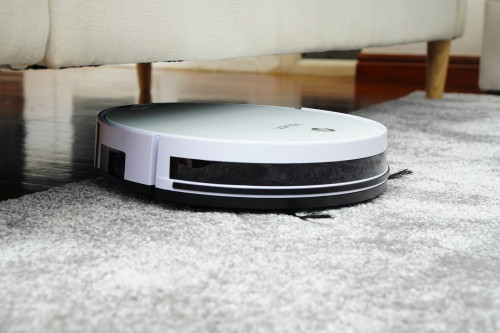
The technology behind it – from smart meters to intelligent systems
Most U.S. homes now have smart meters that record electricity use in short intervals. That’s the first step toward flexible energy management. But to unlock the full potential, you can connect your meter data to a smart home energy system.
Such a system can communicate with your appliances – like your heat pump, EV charger, washer, or lighting – and automatically adjust their operation based on electricity prices, weather forecasts, and your personal preferences. You can set up rules such as:
- “Charge the EV overnight when rates are lowest.”
- “Run the washing machine when solar panels are producing.”
- “Lower the thermostat when no one is home.”
This makes energy management both intelligent and tailored to your lifestyle.
The benefits – for you and the environment
When you manage energy flexibly, you gain several advantages at once:
- Lower energy bills – you use power when it’s cheapest.
- Cleaner energy use – you shift consumption to times when renewables dominate.
- Less strain on the grid – you help prevent peak demand periods.
- Improved comfort – your system can automatically adjust heating, cooling, and lighting for ideal conditions.
Many homeowners also enjoy seeing their real-time energy data and understanding how small changes can make a big difference – both financially and environmentally.
How to get started
You don’t need to invest in a full smart home setup right away. Start with what makes the most sense for your household:
- Understand your energy use. Check your utility’s online tools or an energy monitor to see when you use the most power.
- Install smart plugs or thermostats. These can be controlled from your phone and give you direct control over individual devices.
- Consider an energy management hub. It connects multiple smart devices and centralizes control.
- Track electricity rates. Many utilities and apps show time-of-use pricing so you can plan accordingly.
- Automate gradually. Once you’re comfortable, let the system optimize automatically.
The future of the flexible home
In the coming years, flexible energy management will become even more important. Electric vehicles, heat pumps, and rooftop solar mean our homes will both consume and produce electricity. With the right systems, you can not only save money but also play an active role in building a cleaner, more resilient energy grid.
In the near future, your home might even be able to “negotiate” with the grid – selling power back when prices are high and buying when they’re low. It may sound futuristic, but the technology is already emerging.
Making your home more flexible isn’t just about gadgets or apps – it’s about taking part in the energy transition in a way that fits your everyday life.
Læs også: