Create Balance Between Custom Closets and Furniture

Create Balance Between Custom Closets and Furniture
A custom closet can completely transform a room—both in function and appearance. But when you design a built-in solution that fits perfectly with your walls, ceiling height, and storage needs, it can also challenge the balance of your interior. How do you make sure your closet complements the rest of your furniture so the space feels harmonious rather than dominated by one element? Here’s how to create balance between custom closets and furniture in your home.
Start with the Whole Picture
When planning a custom closet, it’s easy to focus on maximizing storage and organization. But begin by looking at the room as a whole. What atmosphere do you want to create? What colors and materials are already present in your furniture? And how should the closet contribute to that overall look?
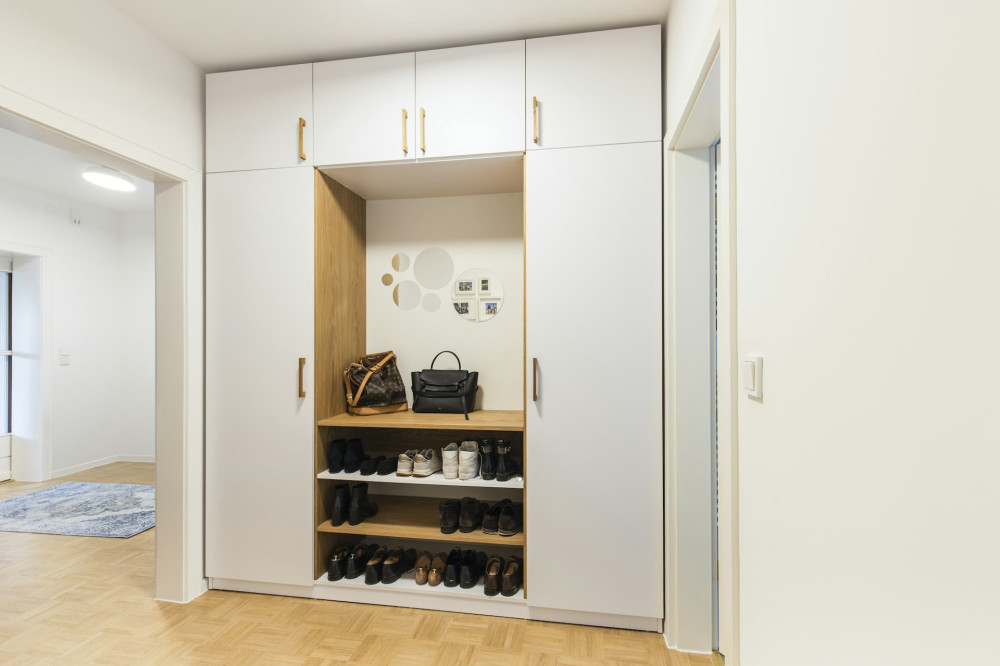
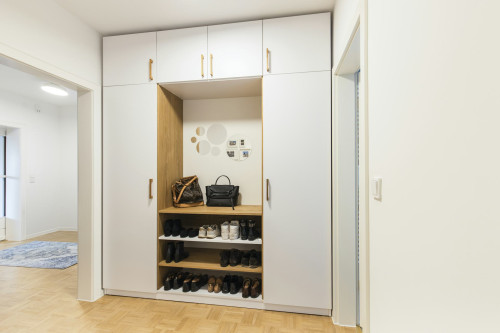
A good rule of thumb is that your closet should support the room’s style—not compete with it. In a modern home, sleek doors and hidden handles can create a calm, streamlined look. In a more traditional space, paneled doors and warm wood tones can add character and cohesion.
Læs også:

Use Color and Materials to Tie the Room Together
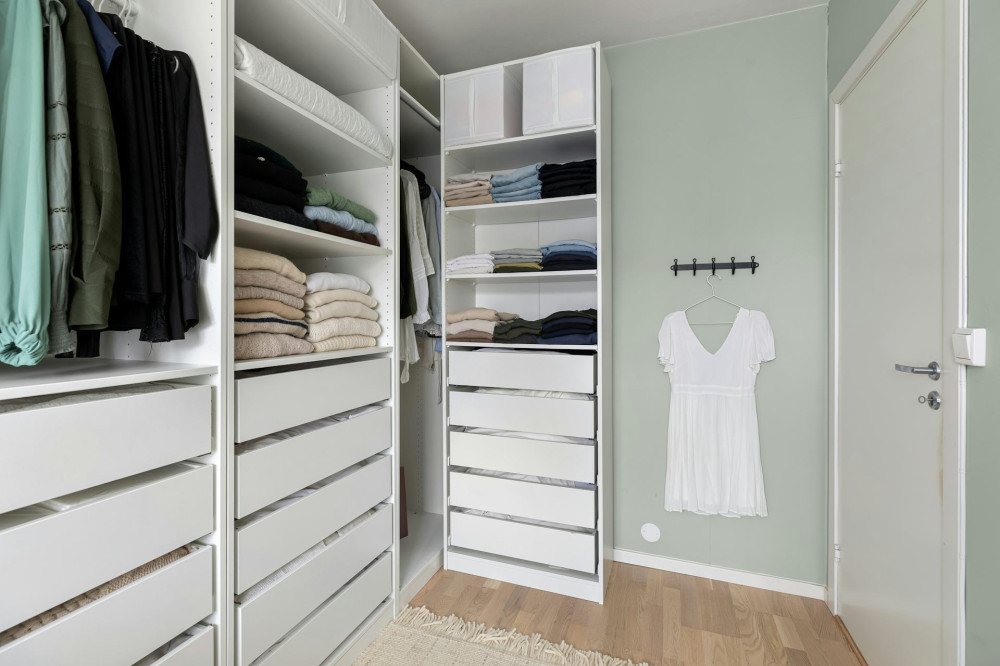
Color and material choices are key to achieving balance. If your closet takes up a large portion of the room, consider choosing a tone that blends with the walls or flooring so it feels integrated. On the other hand, you can use contrast intentionally if you want the closet to serve as a statement piece.
Think about surface finishes as well. A matte finish feels soft and understated, while glossy doors reflect light and can make a smaller room appear larger. If your furniture features natural wood, you can echo that tone in the closet—or choose a neutral color that connects the different elements of the space.
Furniture Placement Matters More Than You Think
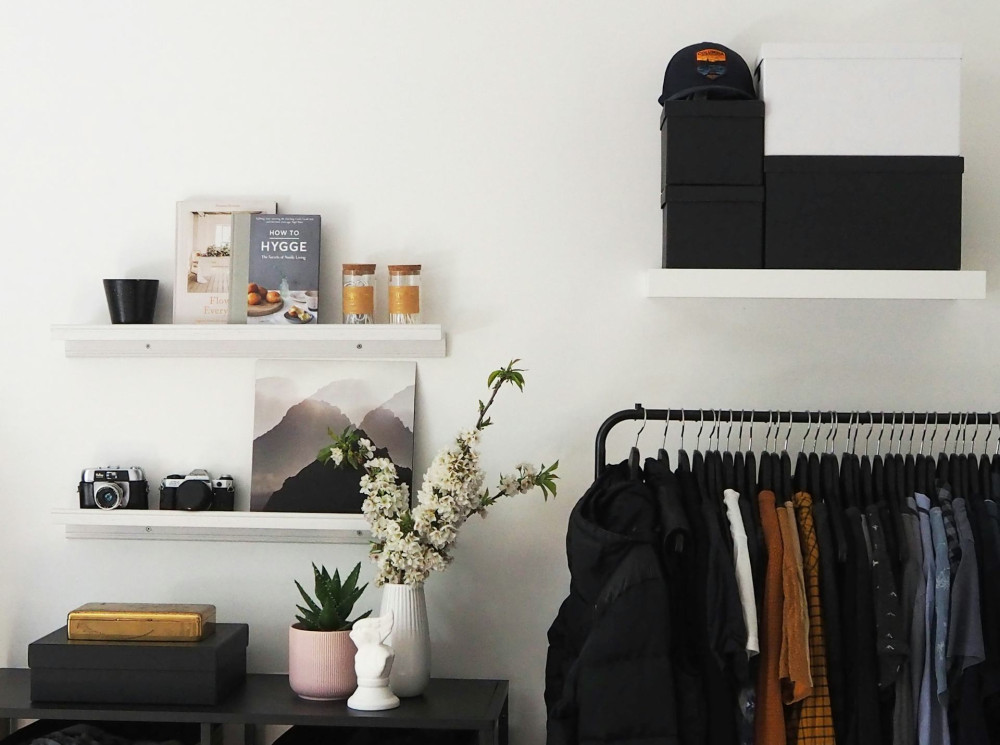
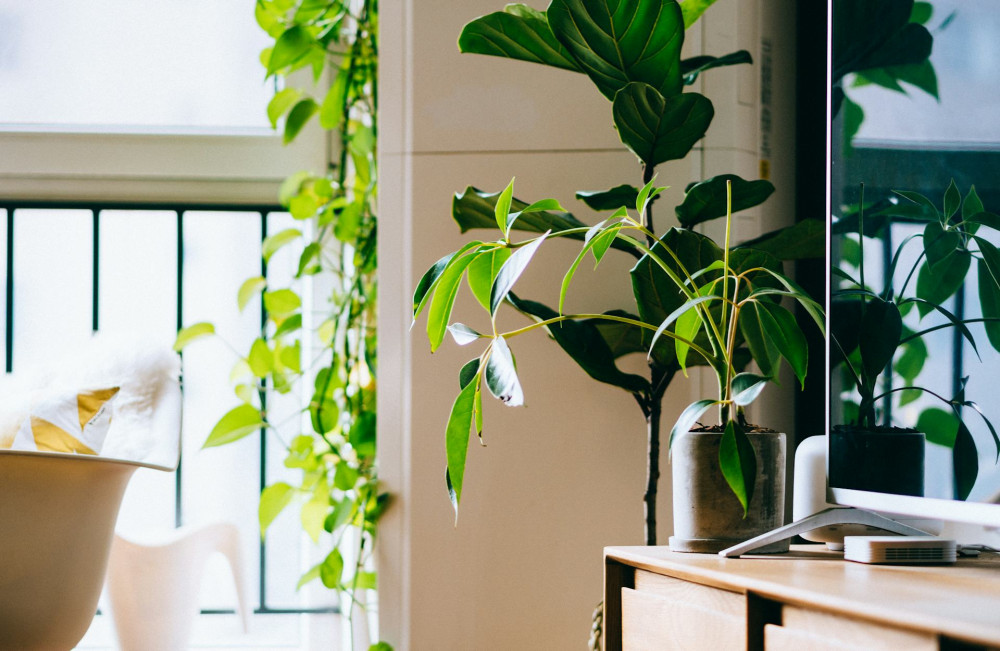
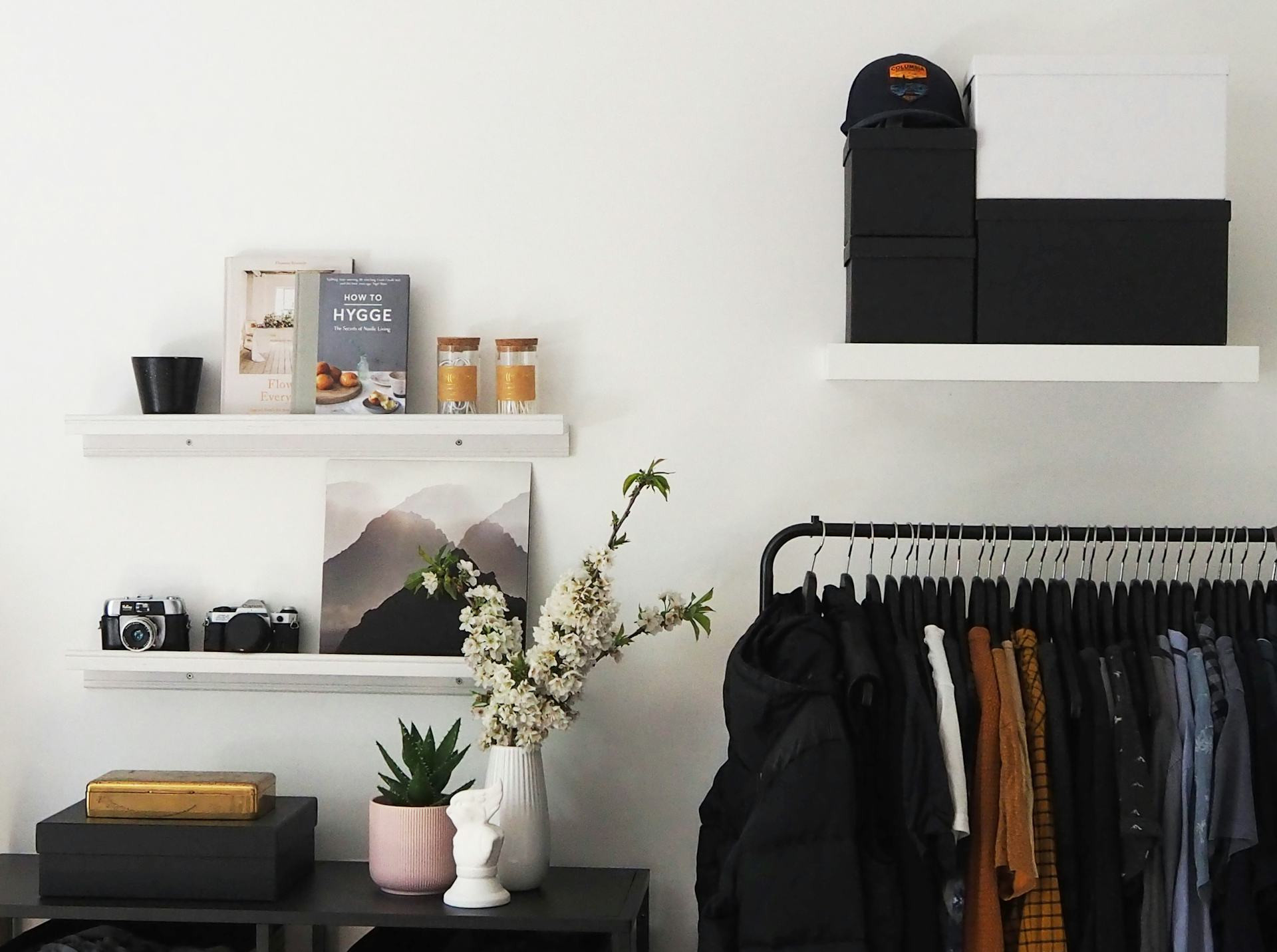
Even the most beautiful custom closet can feel heavy if the surrounding furniture isn’t placed thoughtfully. Make sure there’s breathing room around the closet so it doesn’t feel like a solid wall. A small side table, chair, or plant can create a visual transition and soften the overall look.
In a bedroom, for example, placing a low dresser or bench in front of the closet can add depth. In an entryway, mirrored closet doors can make the space feel lighter and more functional at the same time.
Balance Function and Aesthetics
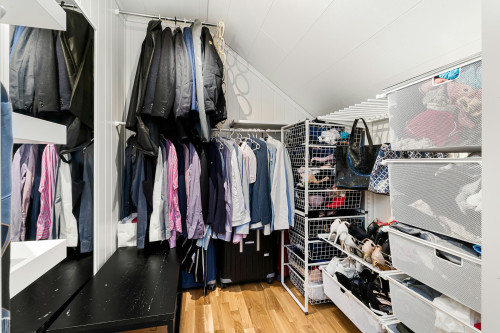
A custom closet isn’t just about looks—it has to work for your daily life. Consider how the doors open, how much space you need to move around, and how lighting affects the area. A well-placed ceiling fixture or built-in LED lighting can highlight the closet while making it more practical.
If your room already has several pieces of furniture, sliding doors can be a smart choice to save space. They create a smoother flow and help maintain balance between function and design.
Create Harmony Through Repetition and Rhythm
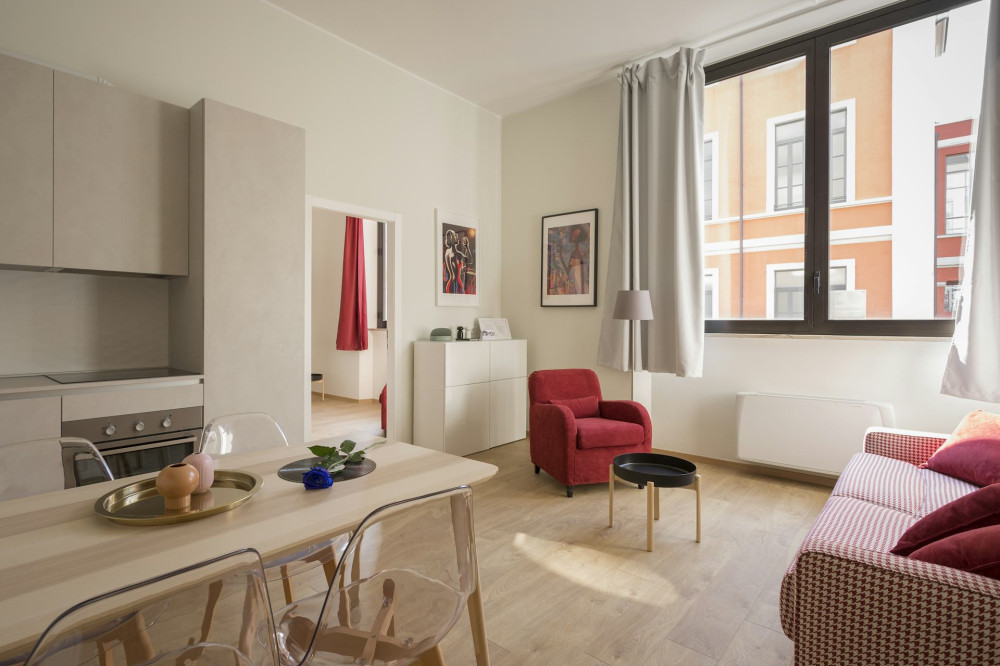
One of the most effective design strategies is repetition. When you repeat colors, materials, or shapes from your closet in other furniture pieces, you create a natural rhythm that the eye perceives as harmony. This could be as simple as matching metal finishes between closet handles and light fixtures, or using textiles that echo the closet’s color.
Small details make a big difference—and they help tie the room together so the closet feels like an integrated part of the home.
Leave Room for Personality
While custom closets are often associated with clean lines and precision, it’s important that your space still reflects who you are. Use furniture, art, and textiles to add warmth and personality. The custom closet provides the structure—but your choice of furnishings and accessories brings it to life.
A colorful rug, an accent chair, or a distinctive mirror can be the element that turns a well-designed room into one that feels truly lived in.
A Closet in Balance with Your Home
When your custom closet and furniture work together, the result is a sense of calm that you feel every day. It’s not about making everything match—it’s about creating a natural connection between function, form, and atmosphere. With thoughtful choices in color, materials, and placement, you can design a closet solution that’s both practical and beautiful—and that feels like a seamless part of your home.
Læs også: