Create a Flexible Space for Work and Leisure

Create a Flexible Space for Work and Leisure
More Americans than ever are working from home—some full-time, others just a few days a week. This shift has changed how we think about our living spaces. A single room may now need to serve as an office, a place to relax, and even a creative studio. But how do you design a space that supports both productivity and downtime without feeling cluttered or confused? Here’s how to create a flexible room that adapts to your day.
Think in Zones, Not Rooms
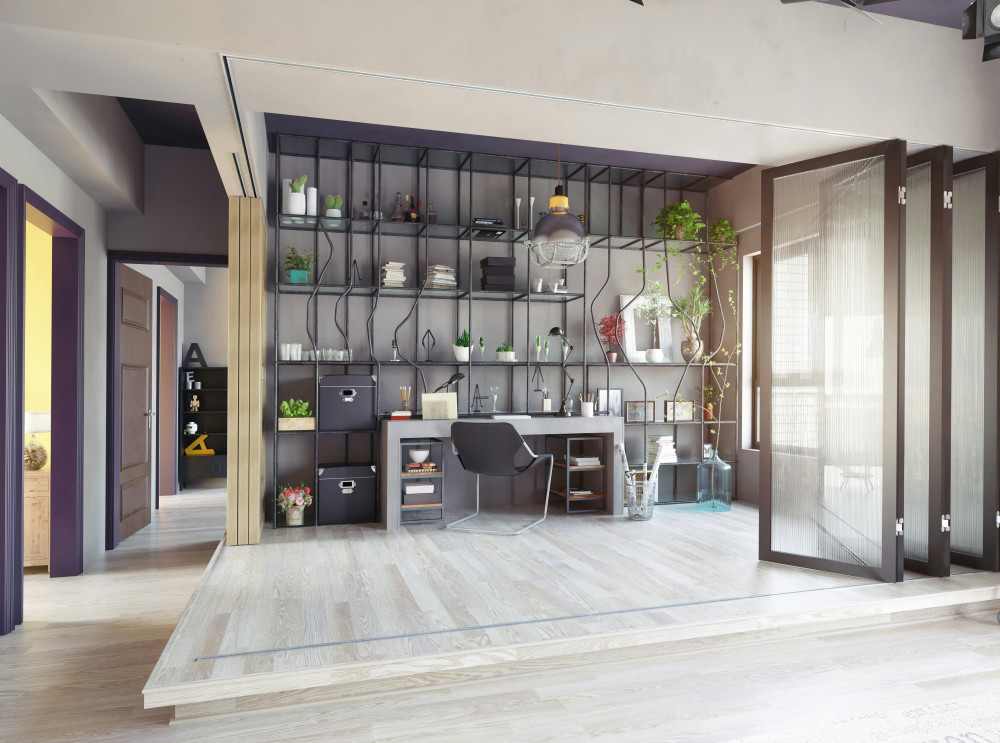
Instead of dividing your home by traditional functions—like “office” and “living room”—try thinking in zones. A zone can be defined by lighting, furniture, or materials, and each one can set a different mood.
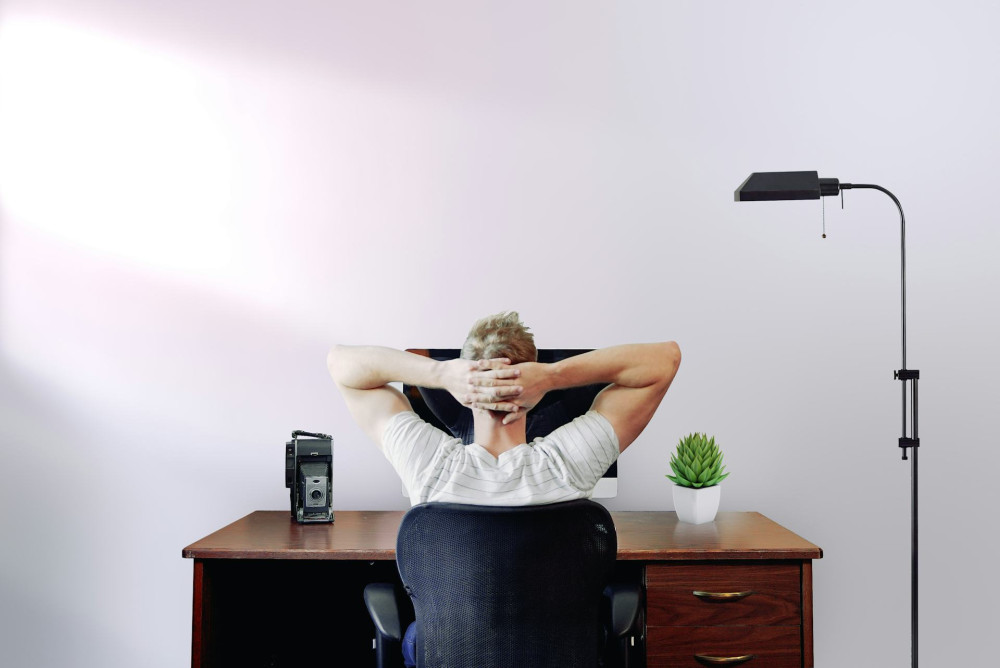
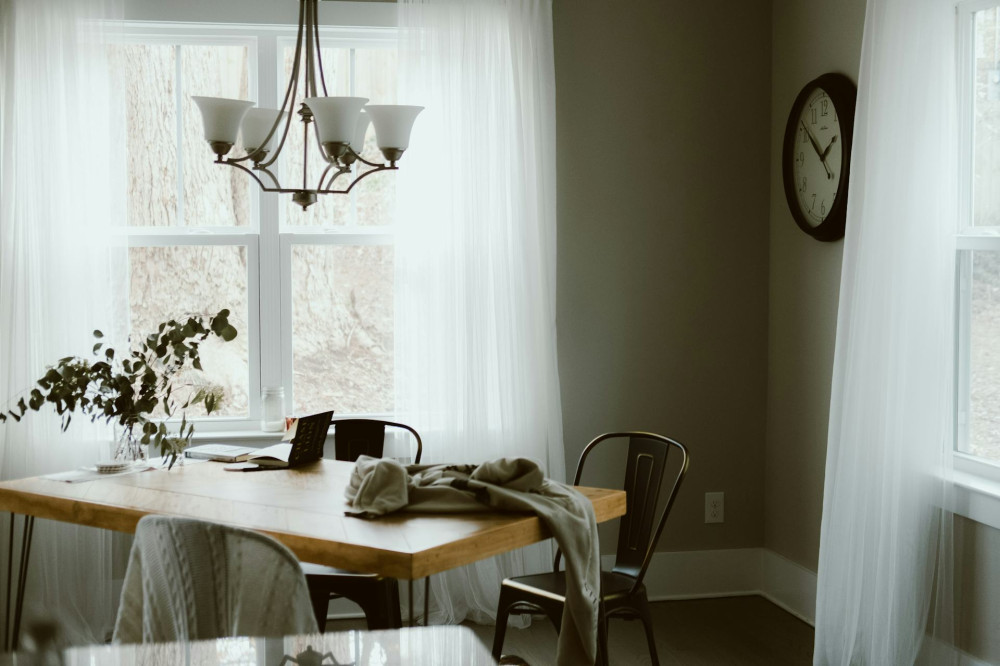
- Work zone: Place your desk near a window for natural light. A height-adjustable desk and ergonomic chair will help you stay comfortable through long hours.
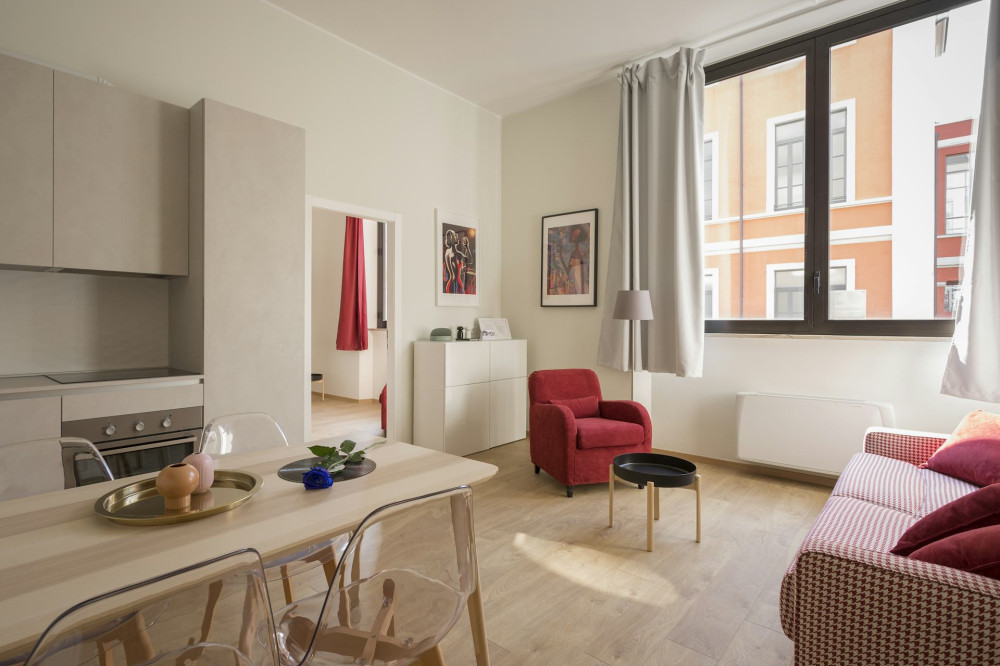
- Relaxation zone: Create a cozy corner with a lounge chair, a soft throw, and a reading lamp—your go-to spot for unwinding after work.
- Creative zone: Dedicate a small table or surface for hobbies, crafts, or music. Even a few square feet can inspire creativity when it’s clearly defined.
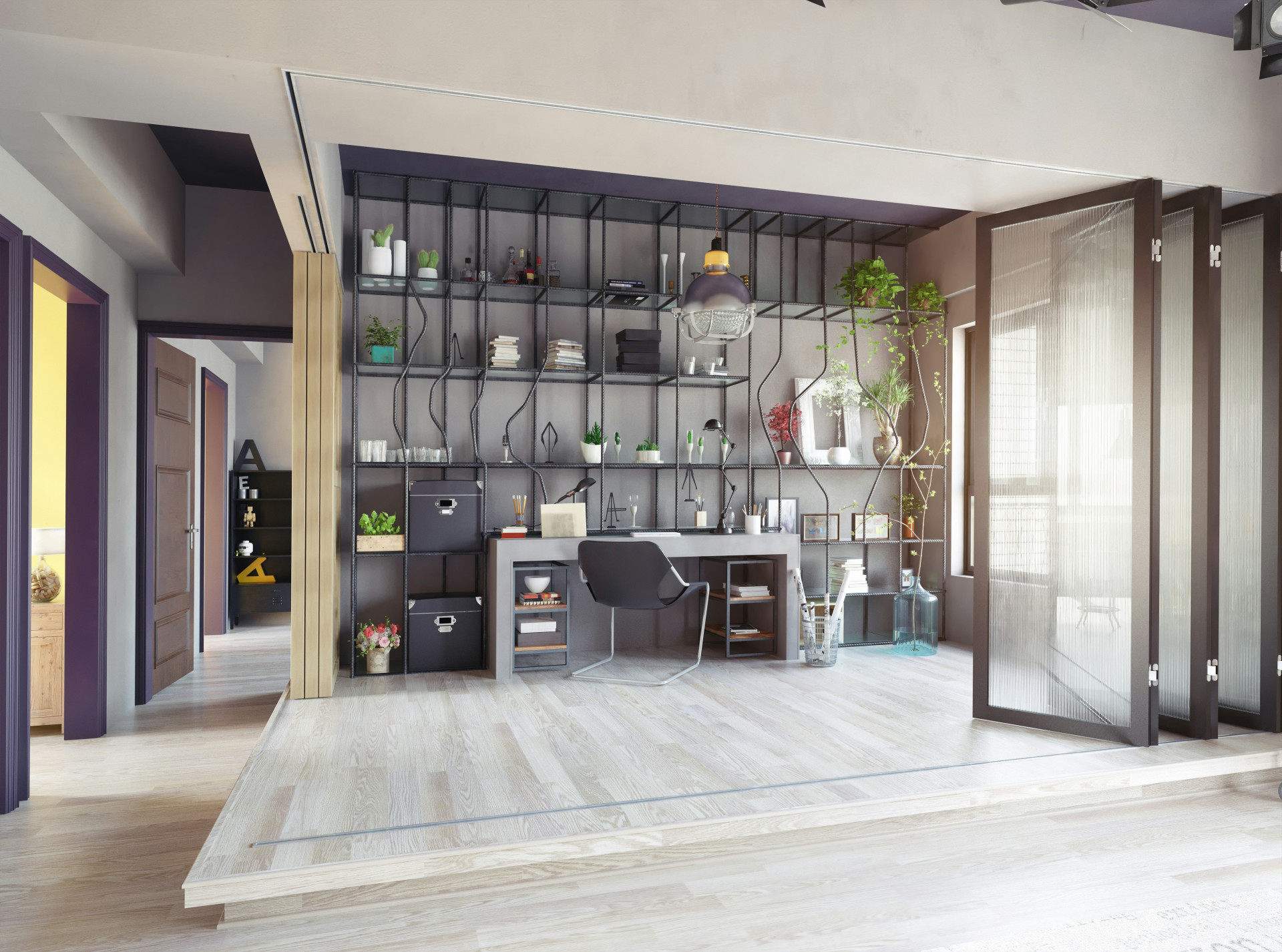
Use rugs, shelving units, or folding screens to visually separate zones, especially if you’re working with a small space or an open floor plan.
Choose Furniture That Does Double Duty
Flexibility often comes down to smart furniture choices. A rolling desk can be moved aside when you need open space. A sleeper sofa can serve as both a guest bed and a place to relax. A fold-down table can disappear when the workday ends.
Look for storage solutions that help you “close up shop” at the end of the day. A cabinet or credenza with space for your laptop and papers makes it easier to switch from work mode to leisure mode.
Balance the Room with Light and Color
Lighting and color have a big impact on how a space feels. For work, you’ll want bright, neutral light that keeps you alert. For relaxation, use warmer tones and dimmable lamps to create a softer atmosphere.
Color can also help signal transitions between work and leisure. A calm blue or green wall can promote focus during the day, while warm-toned textiles—like rust or mustard—can make evenings feel cozy. Adjustable lighting is key: one room, multiple moods.
Keep Technology Out of Sight
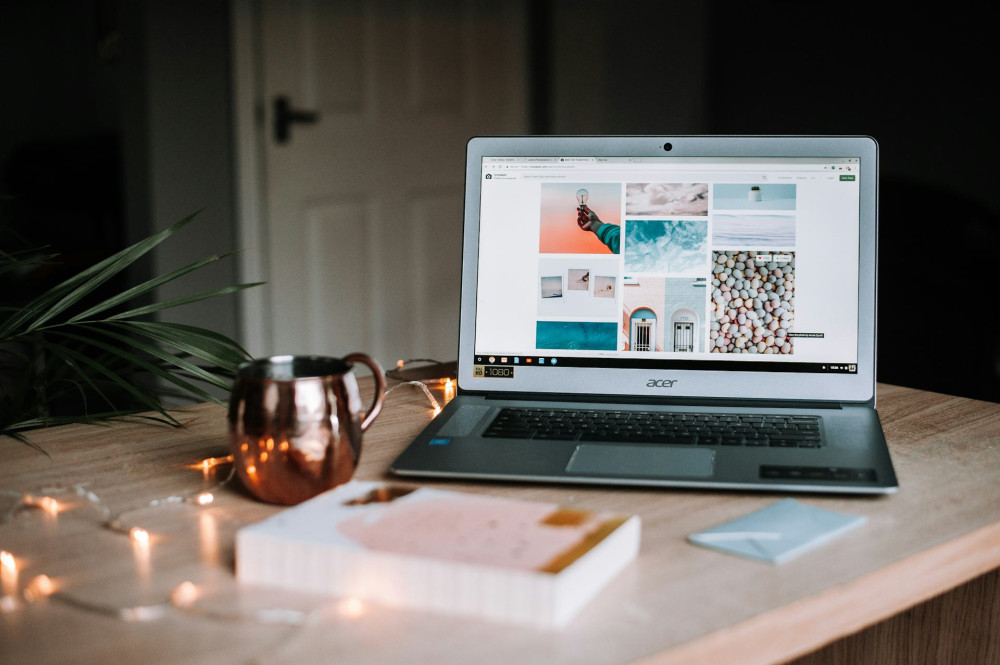
A flexible space should shift easily between functions, and technology can either help or hinder that. Cables, monitors, and chargers can quickly take over the room. Use cable organizers, wireless accessories, and storage that hides your tech when it’s not in use.
Try keeping a “work box”—a basket or bin where you stash your mouse, headset, and notebooks at the end of the day. It’s a simple way to create a mental and visual boundary between work and personal time.
Make Room for Movement and Breaks
When work and leisure happen in the same space, variety is essential. Leave enough room to stretch, move around, or simply look out the window. A small area with a yoga mat or resistance bands can remind you to take breaks and stay active.
You can also use sensory cues to mark the shift from work to rest. Light a candle, play a different playlist, or brew a cup of tea—small rituals that tell your body it’s time to relax.
Læs også:

A Space That Adapts to You
A flexible room isn’t just about furniture—it’s about designing a space that fits your lifestyle. Maybe you’re most productive in the morning and want a bright, energizing setup. Or perhaps your evenings are for creative projects, and you prefer a calm, soothing environment.
By thinking in zones, choosing adaptable furniture, and using light and color to set the mood, you can create a space that supports both your focus and your well-being—a place where work and leisure can coexist in harmony.
Læs også: