Bathroom Fixture Materials – What Should You Choose and Why?

Bathroom Fixture Materials – What Should You Choose and Why?
When choosing bathroom fixtures, it’s not just about design and functionality – the material matters just as much. The right material affects durability, maintenance, and the overall look of your space. Bathroom fixtures must withstand moisture, cleaning products, and daily use, all while complementing your interior style. But what’s the difference between brass, stainless steel, and chrome? And which one is right for your home? Here’s a guide to the most common materials used in bathroom fixtures – and their pros and cons.
Brass – the timeless classic
Brass has long been a favorite for bathroom fixtures, and for good reason. It’s an alloy of copper and zinc, known for its strength and resistance to corrosion. Brass fixtures come in a variety of finishes – from polished to brushed or matte – and bring a warm, sophisticated touch to any bathroom.
Pros:
- Extremely durable and long-lasting
- Available in many finishes and tones
- Handles humidity and temperature changes well
Cons:
- Uncoated brass requires regular polishing
- Can tarnish or show water spots if not wiped dry
Brass works beautifully in traditional or transitional bathrooms, adding warmth and character that never goes out of style.
Stainless Steel – modern and practical
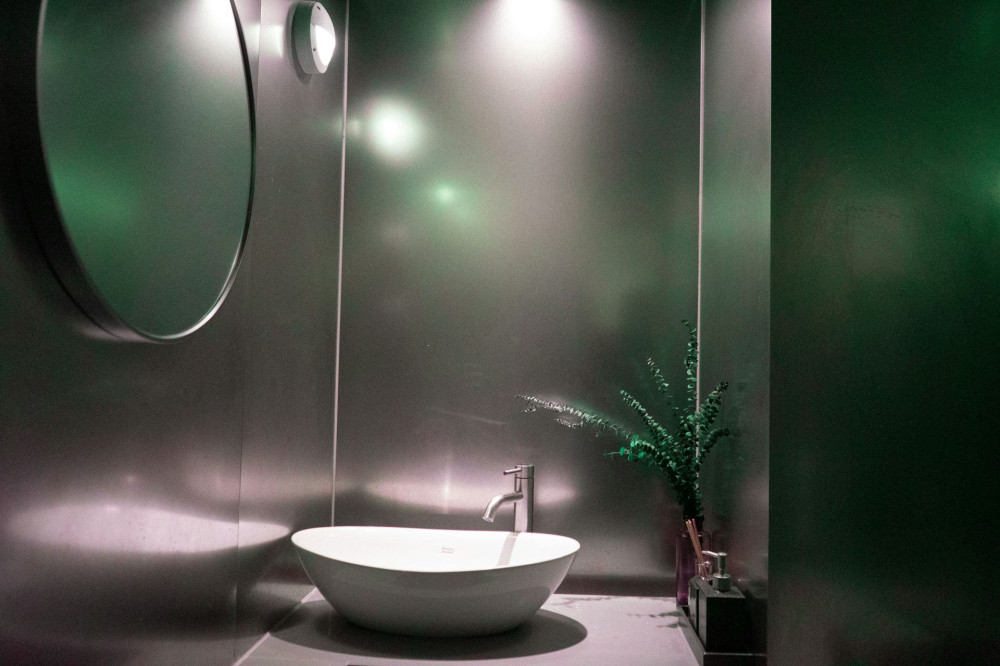
Stainless steel is a top choice for those who value both performance and aesthetics. It’s highly resistant to rust, corrosion, and staining, making it ideal for humid environments. Its sleek, contemporary look fits perfectly in modern or minimalist bathrooms.
Pros:
- Excellent resistance to rust and corrosion
- Easy to clean and low maintenance
- Brushed finishes hide fingerprints and scratches
Cons:
- Can feel a bit cold or industrial in appearance
- Fingerprints show easily on polished surfaces
If you want a fixture that stays looking great with minimal upkeep, stainless steel is a smart, long-term investment.
Læs også:
Chrome – the shiny favorite
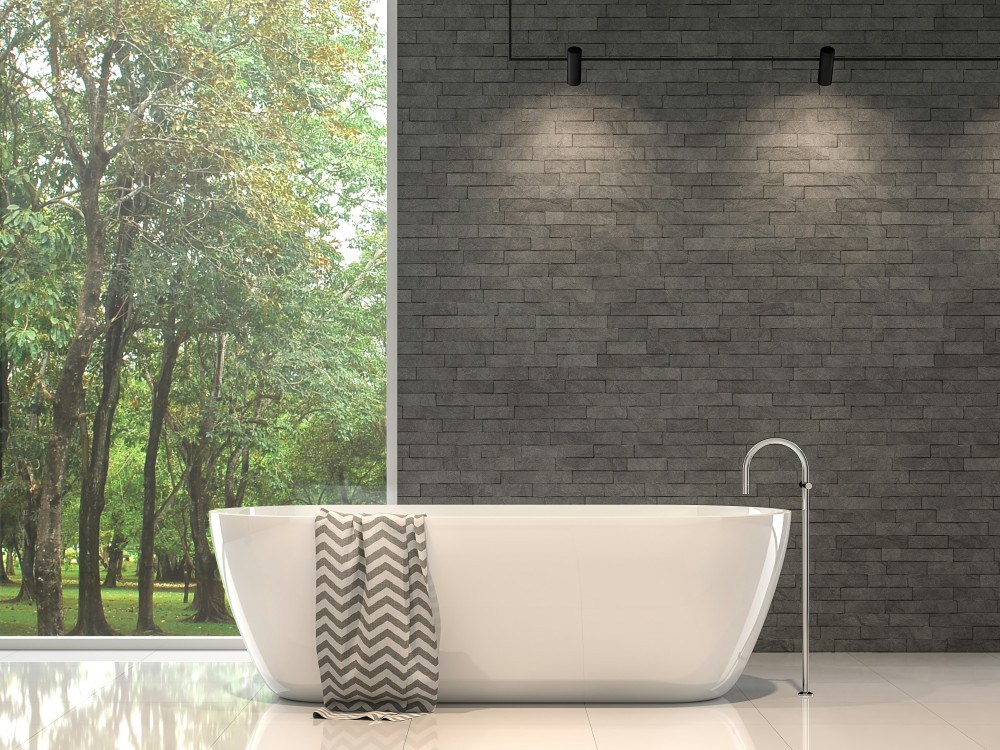
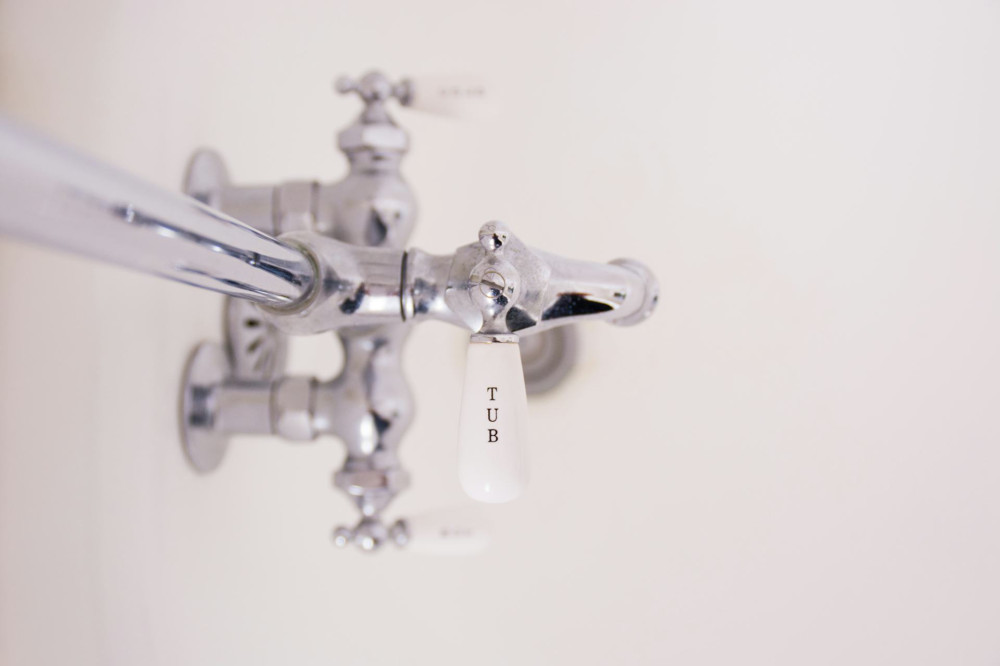
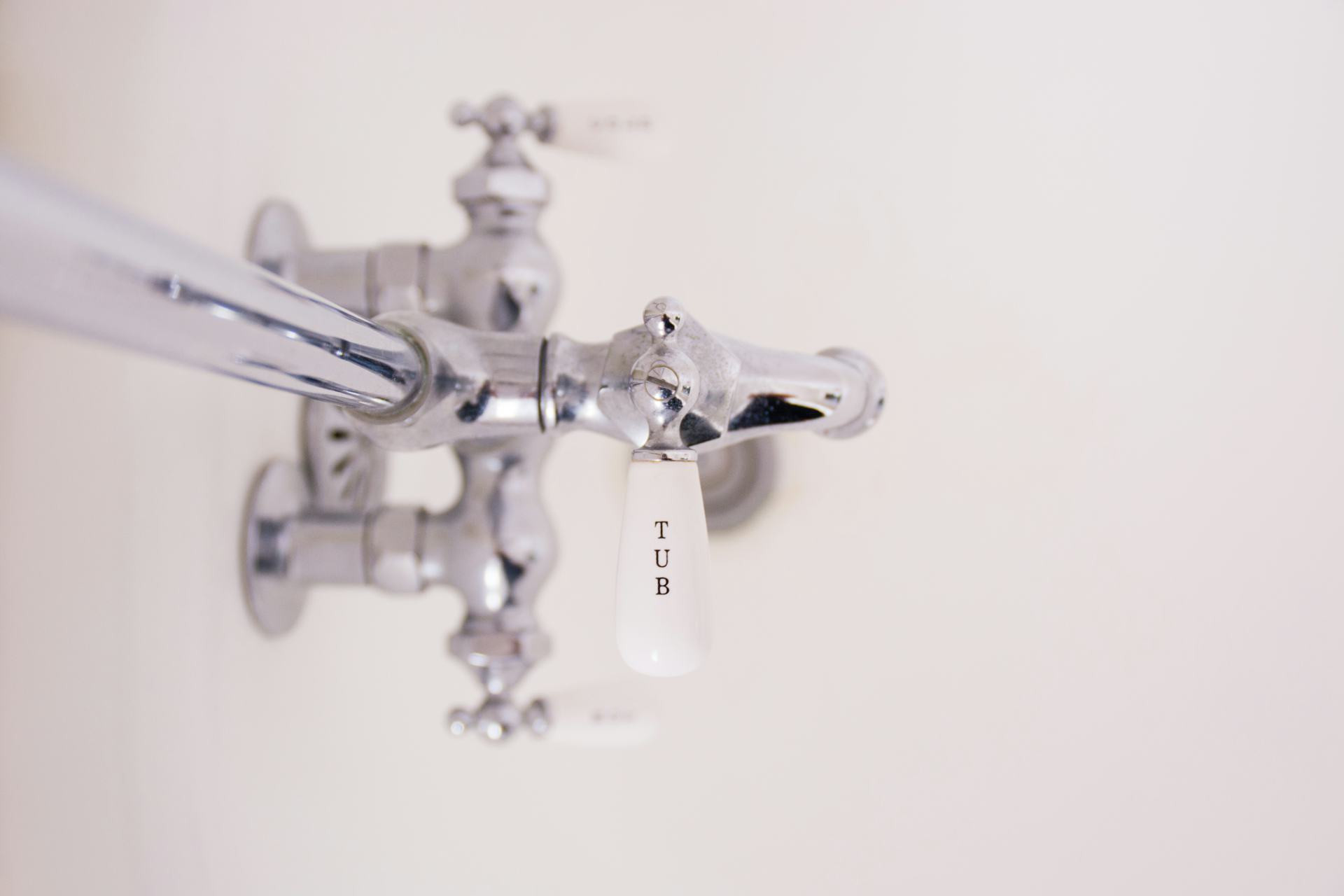
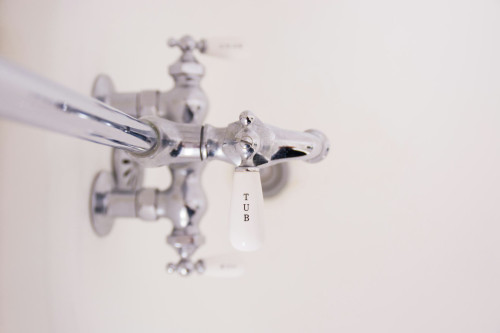
Chrome-plated fixtures have been a staple in American bathrooms for decades. Chrome isn’t a material itself but a finish applied to brass or steel. The result is a bright, mirror-like surface that reflects light and gives a clean, classic look.
Pros:
- Affordable and widely available
- Easy to clean and matches most styles
- Offers a timeless, polished appearance
Cons:
- Prone to scratches over time
- Water spots and fingerprints are more visible
Chrome is a great choice if you want a versatile, budget-friendly fixture that fits seamlessly into almost any bathroom design.
Matte Black and Colored Finishes – for a bold statement
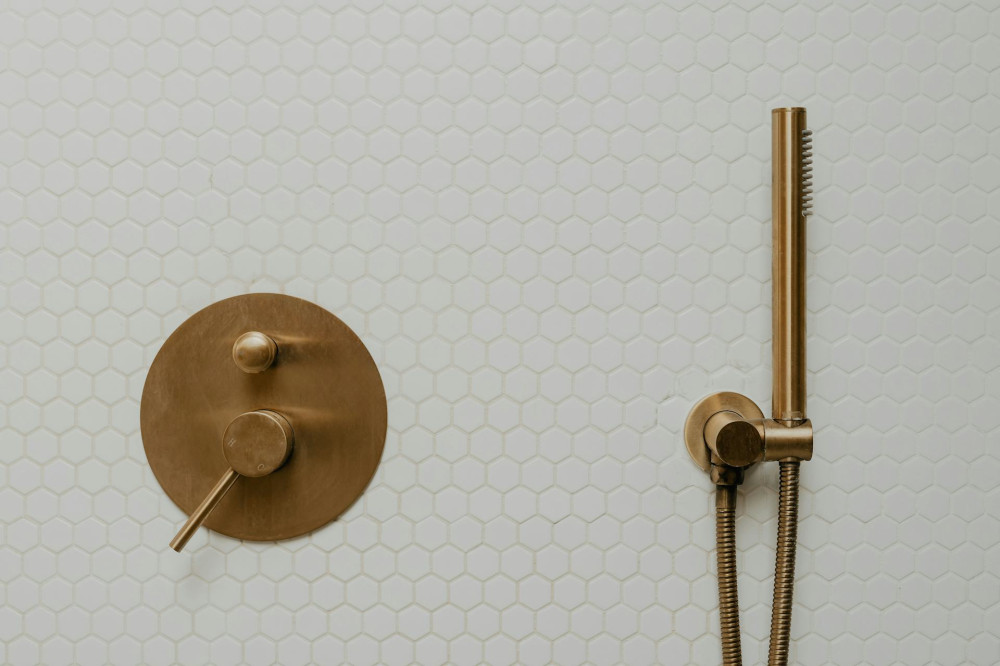
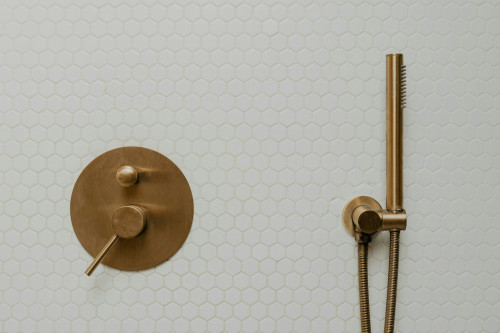
In recent years, colored fixtures have become increasingly popular, especially in matte black, brushed gold, and copper tones. These fixtures are typically made of brass or steel with a PVD (Physical Vapor Deposition) coating, which enhances durability and scratch resistance.
Pros:
- Adds a modern, distinctive look
- PVD coating provides excellent durability
- Available in a wide range of colors and finishes
Cons:
- Usually more expensive than chrome
- Requires gentle cleaning to preserve the finish
A matte black or colored fixture can be the perfect finishing touch in a contemporary bathroom – just make sure the color palette and materials in the room complement each other.
So, what should you choose?
Your choice depends on your style, budget, and how much maintenance you’re willing to do.
- For classic elegance and long-term durability, go with brass.
- For modern simplicity and easy upkeep, stainless steel is ideal.
- For a timeless and affordable option, choose chrome.
- And if you want a bold, personalized look, consider colored or matte finishes.
No matter which material you choose, invest in quality. A well-made fixture can last for decades – and that’s worth every penny in both beauty and performance.
Læs også: